Ría Lagartos, Biosphere reserve in Yucatán, Mexico.
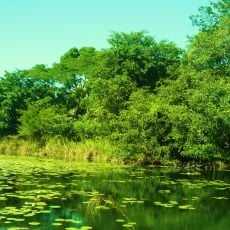
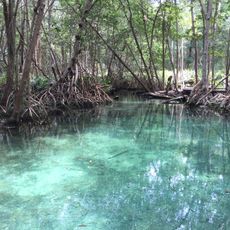
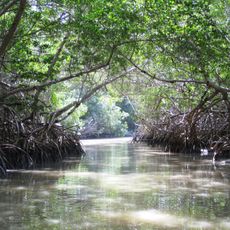
Ría Lagartos is a nature reserve on the northern coast of the Yucatán Peninsula that includes wetlands, mangrove forests, and salt lagoons. Where freshwater rivers meet saltwater, different habitats form that support a variety of animal species.
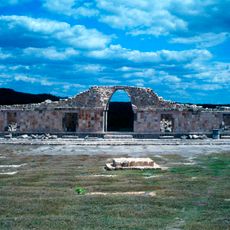
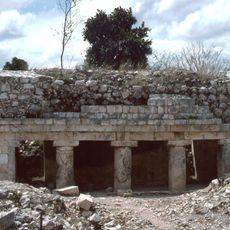
The estuary belonged to the Ecab chiefdom in pre-Hispanic times, and the archaeological site of Isla Cerritos may have been a Maya port controlling the salt trade for Chichén Itzá. On 26 June 1979 President José López Portillo decreed it a faunal refuge, and on 4 November 1986 it became Mexico's first Ramsar site.
Fishing families in the local communities maintain their traditional ways while actively taking part in conservation work. This connection between heritage practices and environmental protection shapes how residents live with and care for the land.
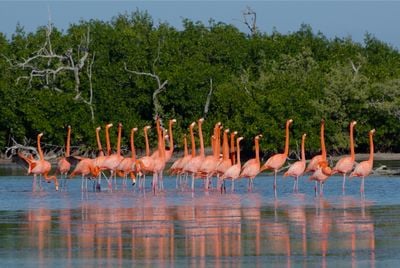
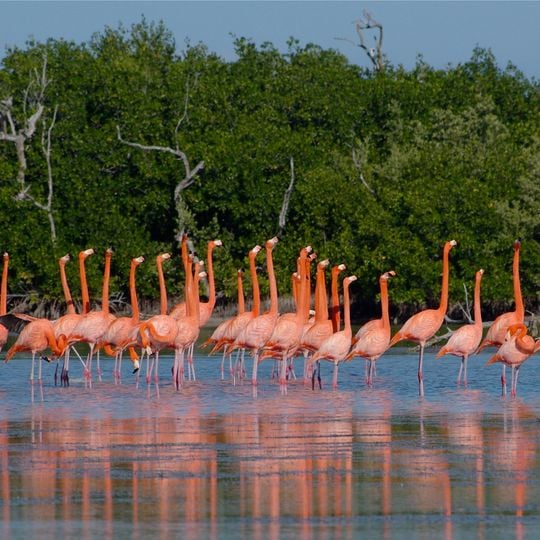
The best way to explore the area is by taking a boat tour from the town of Río Lagartos, which offers good opportunities to watch flamingos and water birds. Visiting in the early morning brings better light and better chances to see animals that are active and feeding.
Ría Lagartos is the largest nesting area for the Caribbean flamingo, with numbers rising from about 4,500 birds in January to 26,000 in June, when the breeding cycle peaks. Before Hurricane Gilbert in 1988, some 20,000 individuals nested between the bridge to El Cuyo and the eastern end of the estuary.
The community of curious travelers
AroundUs brings together thousands of curated places, local tips, and hidden gems, enriched daily by 95,285 contributors worldwide.