See the monuments around you in AROpen chests in the app
Around Us is built for your phone — point your camera at the streets and discover the monuments and places around you in augmented reality.Around Us is built for your phone — chests unlock when you walk, explore and capture nearby places.
The Yucatán region contains numerous lesser-known sites waiting to be discovered. Ancient Maya ruins, natural cenotes, and historic buildings tell the story of the region's rich past and living culture. Nature reserves and traditional villages show how people live and work in this part of Mexico.
The collection includes archaeological sites like Ek Balam, Uxmal, and Mayapán, where stone temples and plazas still stand as records of Maya achievement. Underground lakes and caves such as the cenotes of Cuzama, Xkeken, and Samulá hold turquoise waters beneath the earth's surface. Historic haciendas like Sotuta de Peón and Yaxcopoil preserve the colonial era.
Natural spaces round out the collection: the Ría Lagartos Biosphere Reserve draws bird watchers, limestone caves at Calcehtok and Loltun open into darkness, and small towns like Izamal feature Spanish colonial architecture including a striking monastery. Each place offers something different, letting visitors experience the varied landscape and heritage of the Yucatán Peninsula.
The Yucatán region contains numerous lesser-known sites waiting to be discovered. Ancient Maya ruins, natural cenotes, and historic buildings tell the story of the region's rich past and living culture. Nature reserves and traditional villages show how people live and work in this part of Mexico.
The collection includes archaeological sites like Ek Balam, Uxmal, and Mayapán, where stone temples and plazas still stand as records of Maya achievement. Underground lakes and caves such as the cenotes of Cuzama, Xkeken, and Samulá hold turquoise waters beneath the earth's surface. Historic haciendas like Sotuta de Peón and Yaxcopoil preserve the colonial era.
Natural spaces round out the collection: the Ría Lagartos Biosphere Reserve draws bird watchers, limestone caves at Calcehtok and Loltun open into darkness, and small towns like Izamal feature Spanish colonial architecture including a striking monastery. Each place offers something different, letting visitors experience the varied landscape and heritage of the Yucatán Peninsula.
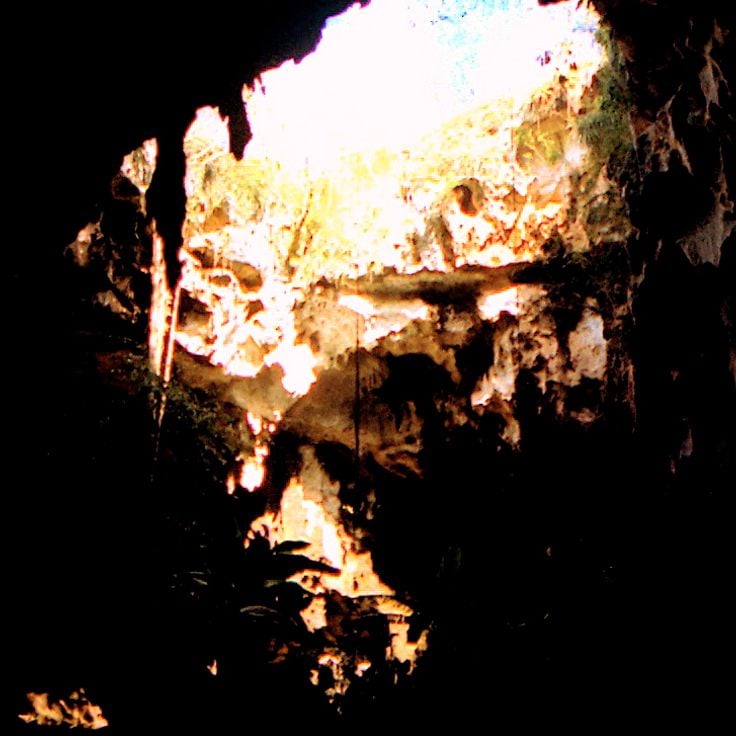
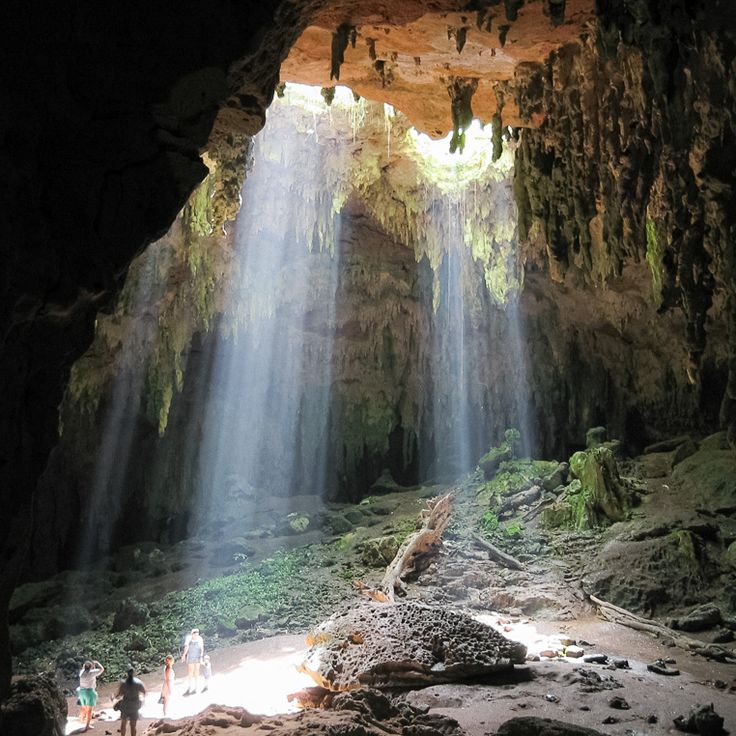
The Calcehtok Caves form part of this collection of hidden places across the Yucatan, offering an underground world with multiple levels below the surface. The cave system holds natural stone formations and artifacts from the Maya civilization. Walking through these passages, visitors encounter the darkness and geological layers that have developed over millions of years. The caves reveal traces of how ancient people used this space.
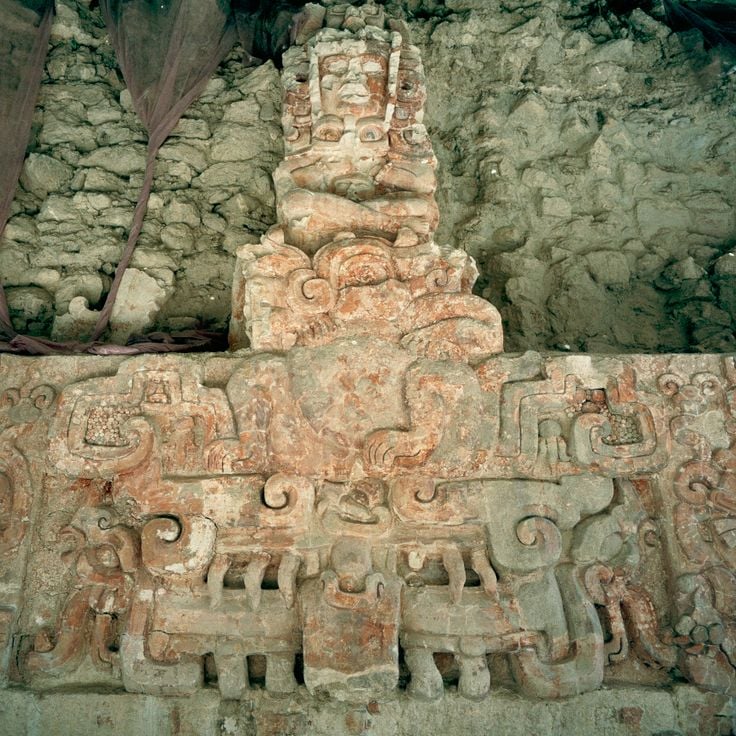
Ek Balam is an archaeological site in the Yucatan region and one of the lesser-known Maya ruins hidden in the collection of secret places. The pyramids, plazas, and wall paintings date from the Classic Maya period between 600 and 900 CE. This site reveals the history and culture of the region through its structures and artistic remains.
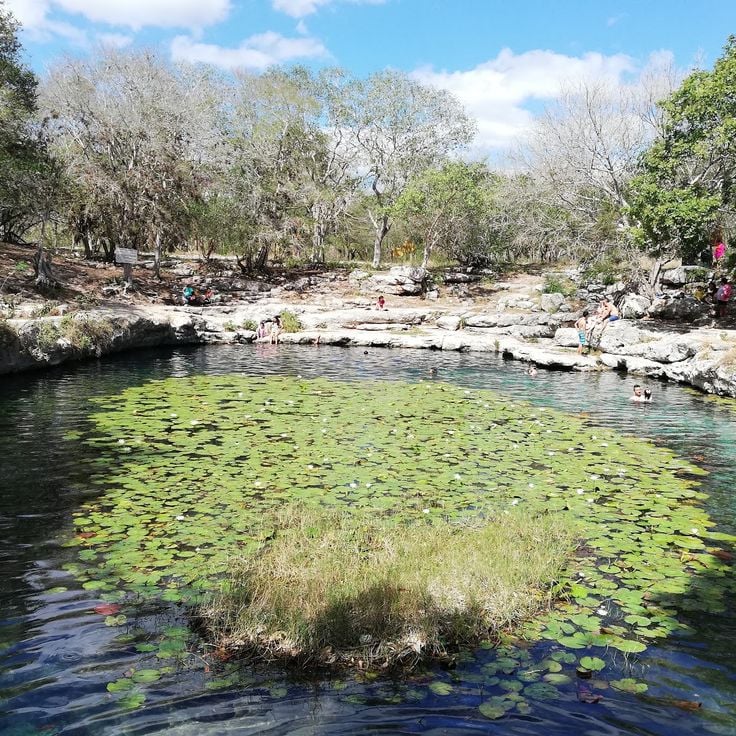
Xlacah Cenote is a natural water pool next to Maya ruins in Dzibilchaltun. Measuring 100 meters in length with a depth of 44 meters, this site shows the connection between water and the ancient settlements of the region. The cenote was important to the Maya people and remains today a record of their history and relationship with the Yucatan landscape.
Hacienda Sotuta de Peon reveals how sisal was produced in this region centuries ago. The restored estate preserves original 19th century machinery that workers once used to extract fibers from agave plants. As you walk through the workshops, you see how this material shaped the economy of the Yucatan and shaped the lives of those who worked here.
The Homun Cenotes are a group of natural water caves that provide access to underground freshwater pools. The clear water reaches depths of 40 meters. These secret places of the Yucatan peninsula showcase the region's geological history and held great importance for the Maya.
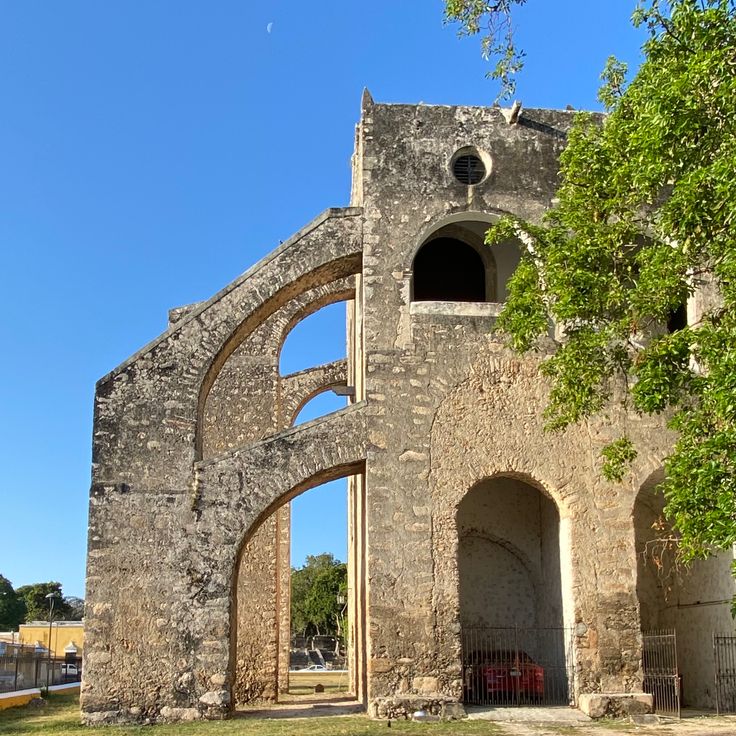
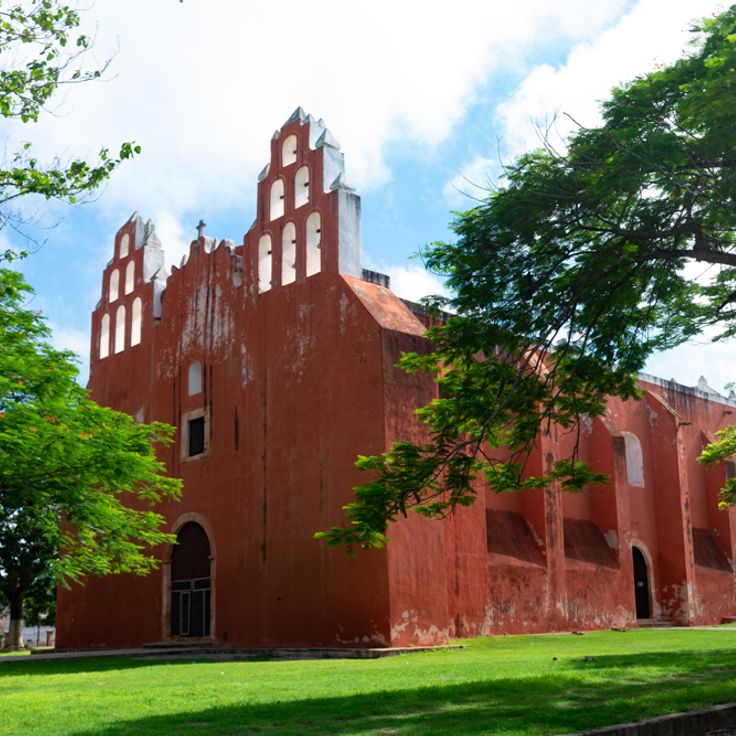
The Izamal Monastery is a hidden place in the Yucatan region that reflects the history and culture of this area. The Franciscan monastery was built on the foundation of a Maya pyramid. The yellow facade of the building is visible from afar and shapes the character of this location.
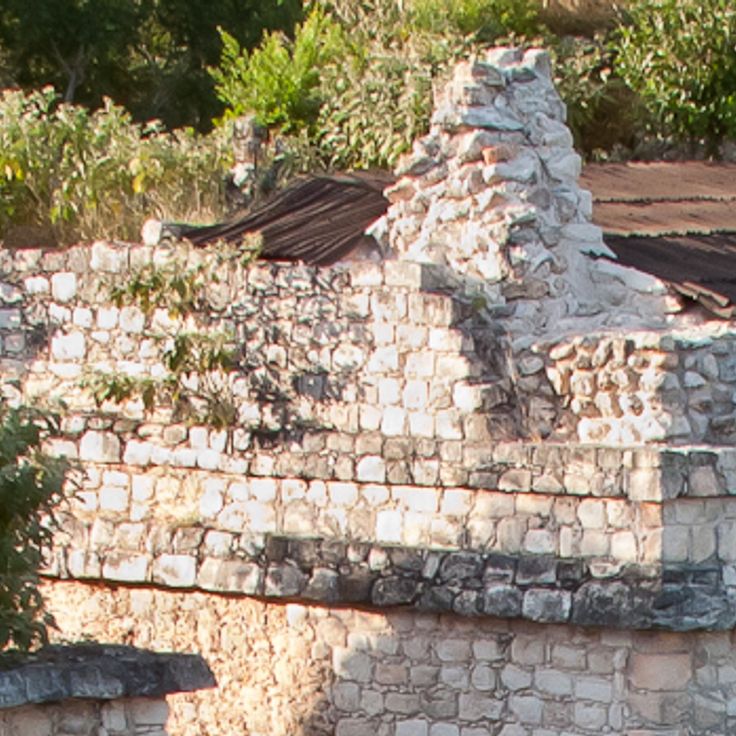
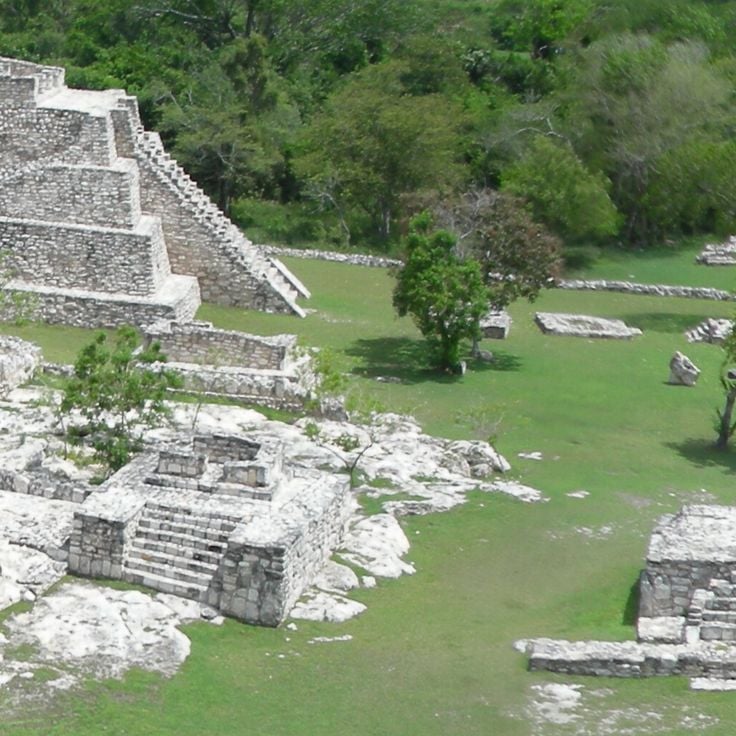
Mayapan Archaeological Site is a 13th-century Maya city with over 4000 structures within its city walls. This site contains temples and palaces that reveal how the Maya lived and organized their community. The ruins are among the lesser-explored places in Yucatan that showcase the region's history and culture, offering insight into the daily life of ancient Maya civilization.
Oxkintok Ruins is a Maya site with a tunnel system and several building groups from different architectural periods between 300 and 1000 CE. These ruins are among the lesser-known archaeological sites in the Yucatan region and offer insights into Maya civilization and local history.
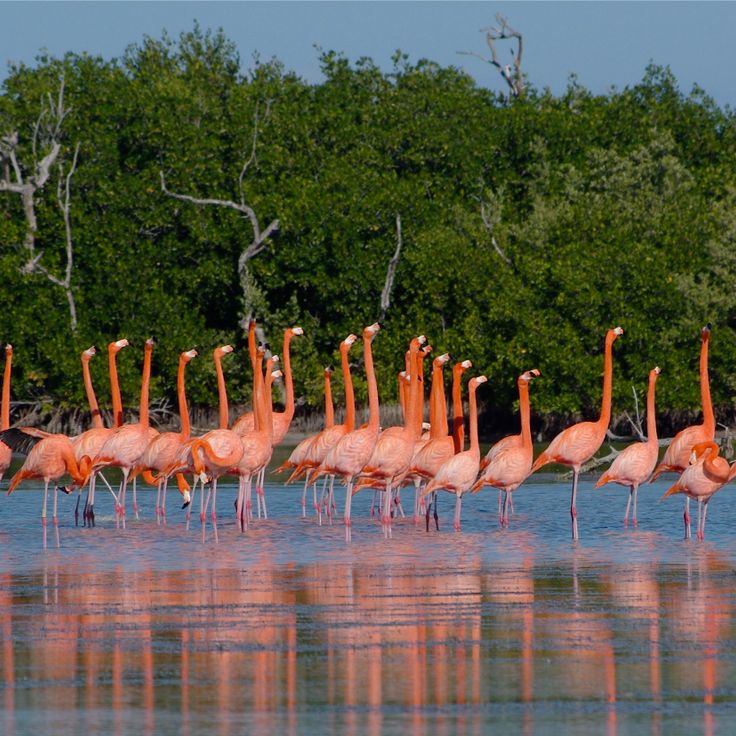
Ria Lagartos Biosphere Reserve displays the natural side of the Yucatan region. This reserve hosts large populations of pink flamingos, mangrove forests, and freshwater lagoons with numerous bird species. Located on the northern coast, it offers insights into local nature and the way people live here.
The Cuzama Cenotes are three underground water pools linked by an old railroad track from the sisal production era. This hidden site shows how people in the Yucatan region used their natural resources and shaped the land.
These three cenotes of Santa Barbara offer clear waters for swimming and are among the hidden places of Yucatan. Stairs and lighting make it easy to access the caves, where you can explore the natural beauty of these underground water sources.
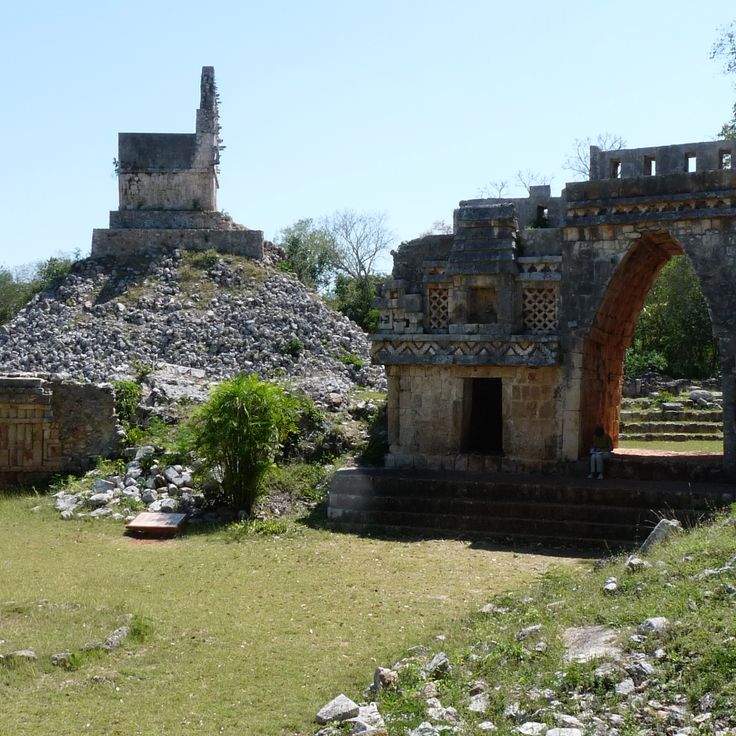
Labná Archaeological Site reveals a Maya city shaped by Puuc architecture, one of the lesser-known treasures of the Yucatan region. The stone facades display geometric patterns and carved ornaments that speak to Maya craftsmanship. Walking through this site, you encounter the design principles that guided Maya builders across the peninsula.
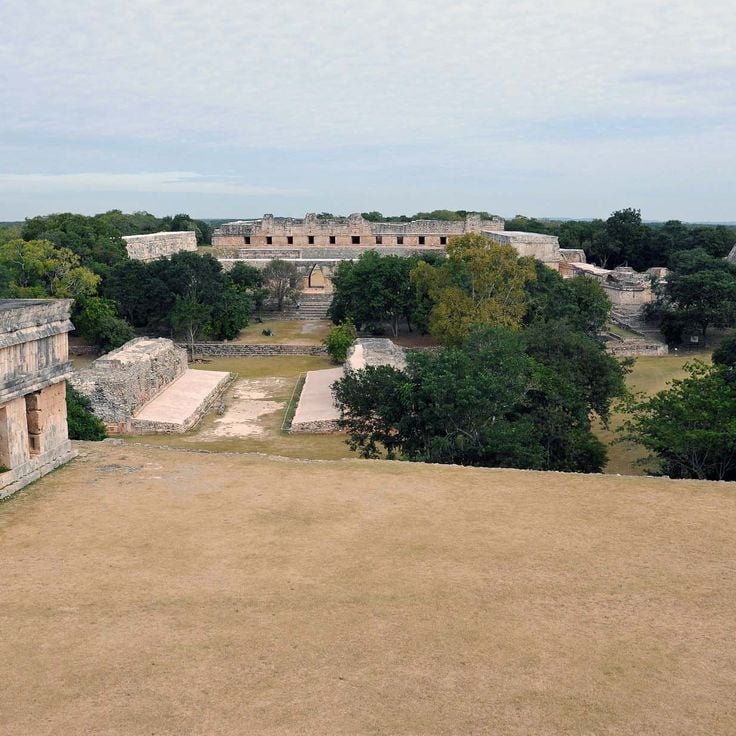
Uxmal Archaeological Site displays a Maya complex with geometric patterns and masks of the rain god Chaac carved on building facades from the 7th century. This site reveals the construction techniques and religious beliefs of the Maya civilization that flourished in this region.
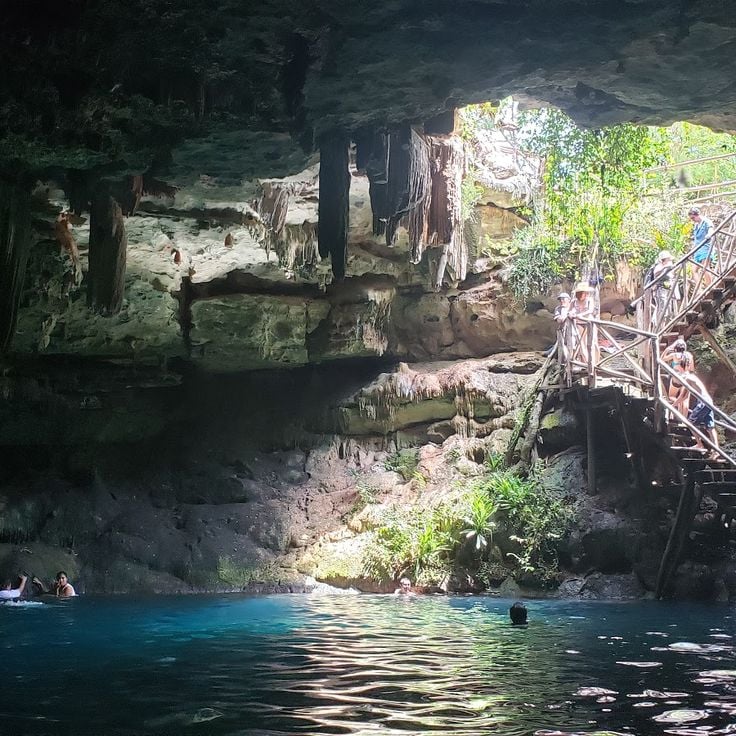
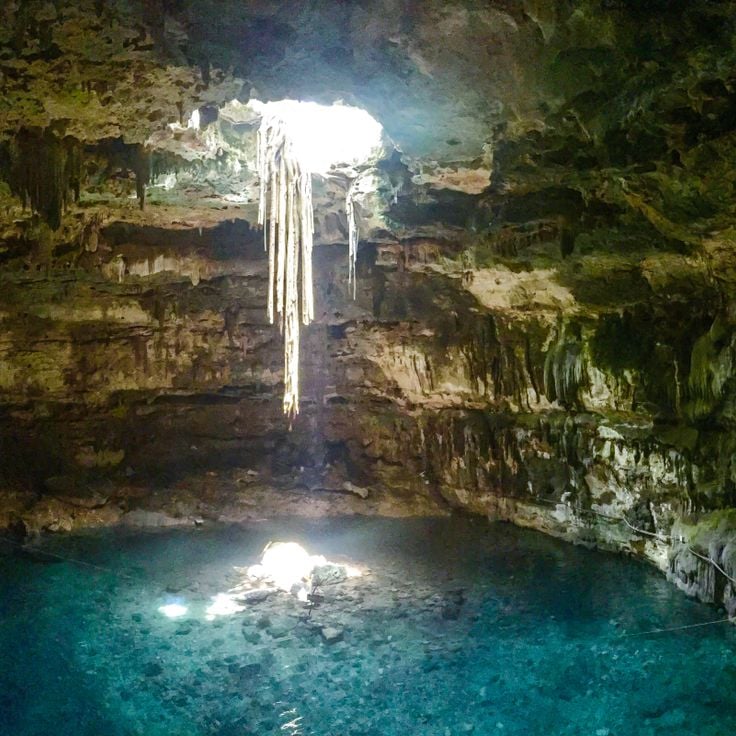
Xkeken Cenote is an underground water reservoir in Valladolid that receives natural light through openings in its ceiling. Mineral formations hang from the cave ceiling. This site is among the hidden treasures of the Yucatan region and displays the geological wonders that shape this landscape.
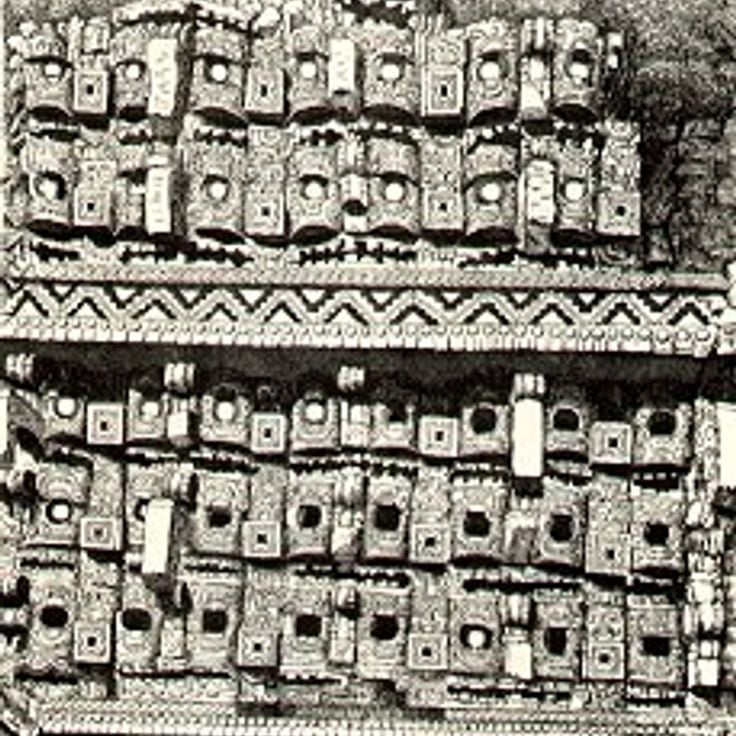
Kabah Archaeological Site is one of the hidden places in the Yucatan region. The Palace of Masks here displays 250 stone representations of the rain god Chaac with a curved nose and rows of teeth. These Maya ruins reveal the artistic skill and religious devotion of Maya culture.
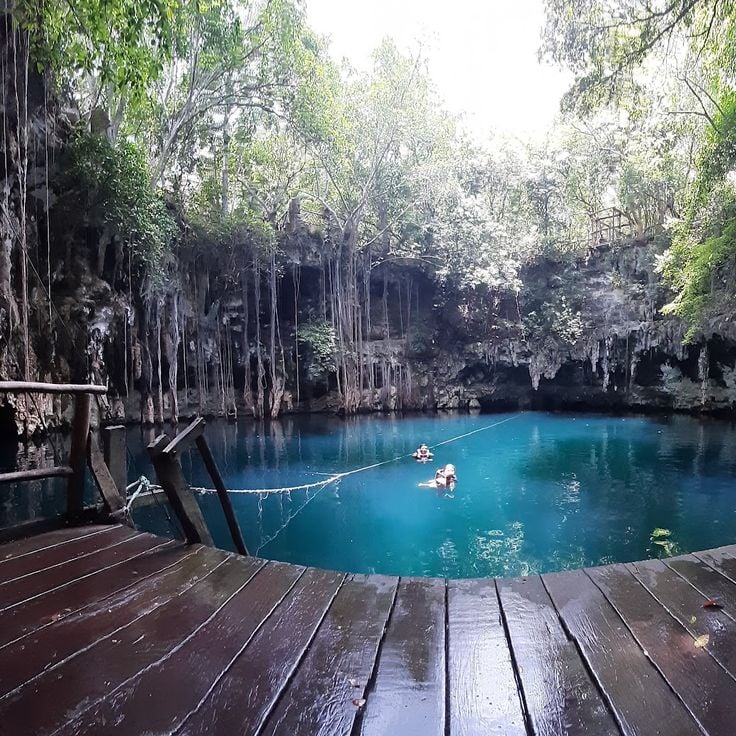
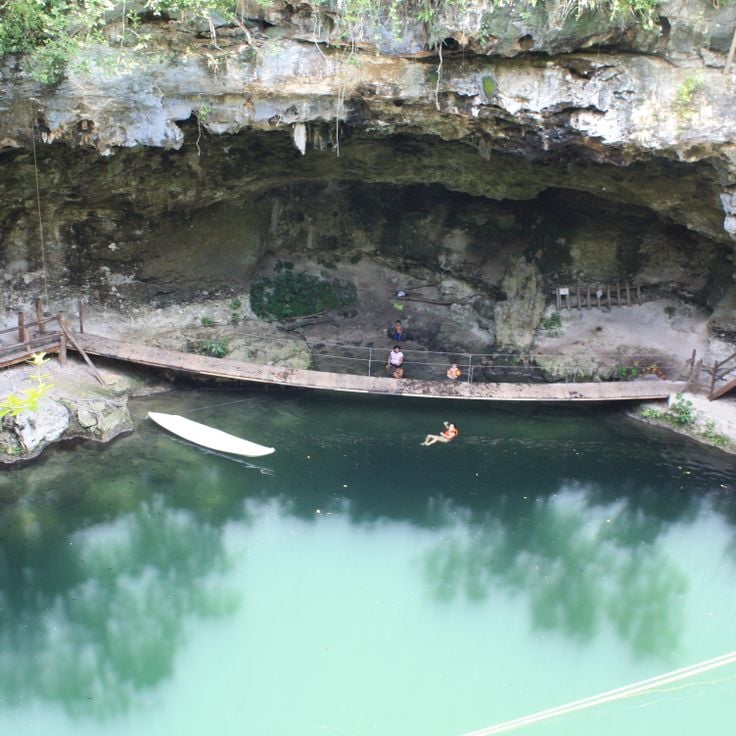
Cenote Yokdzonot is a natural well 45 meters deep that reveals how the Yucatan region holds hidden places of geological importance. The cenote offers swimming opportunities, with wooden walkways leading down to the water and ropes that allow visitors to jump in. This site connects the region's natural formation with how local people have used these waters for centuries.
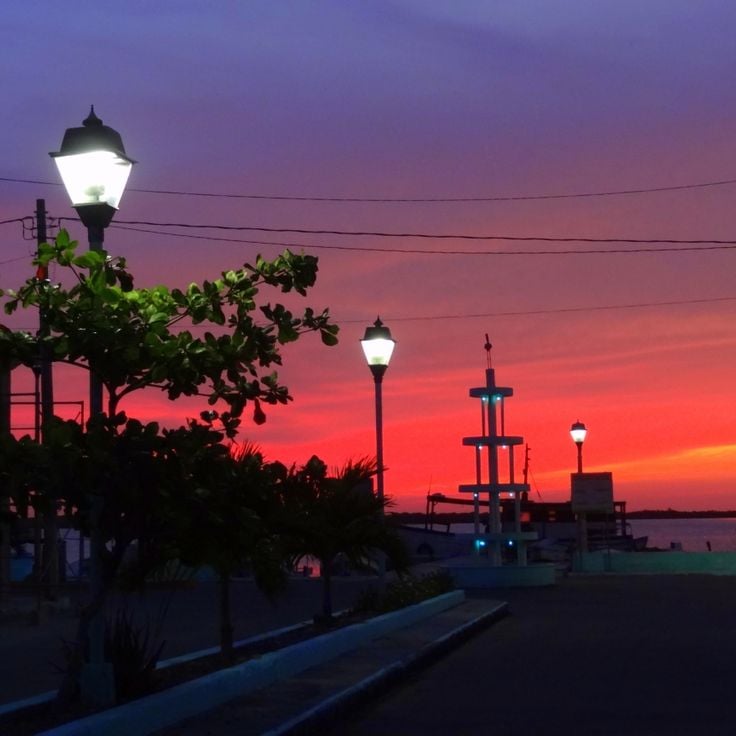
This former commercial port showcases the Yucatan region's maritime history through its long sandy beaches and clean waters. The quiet shores reveal how trade shaped this coastal community in earlier centuries. Visitors find an uncrowded seaside setting where they can walk along the sand and observe the daily rhythms of local life away from busy tourist areas.
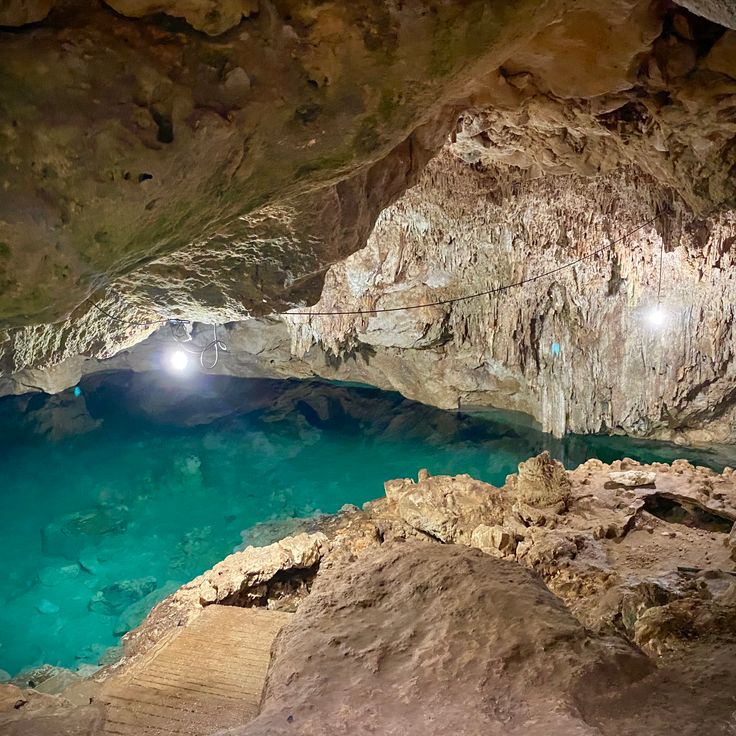
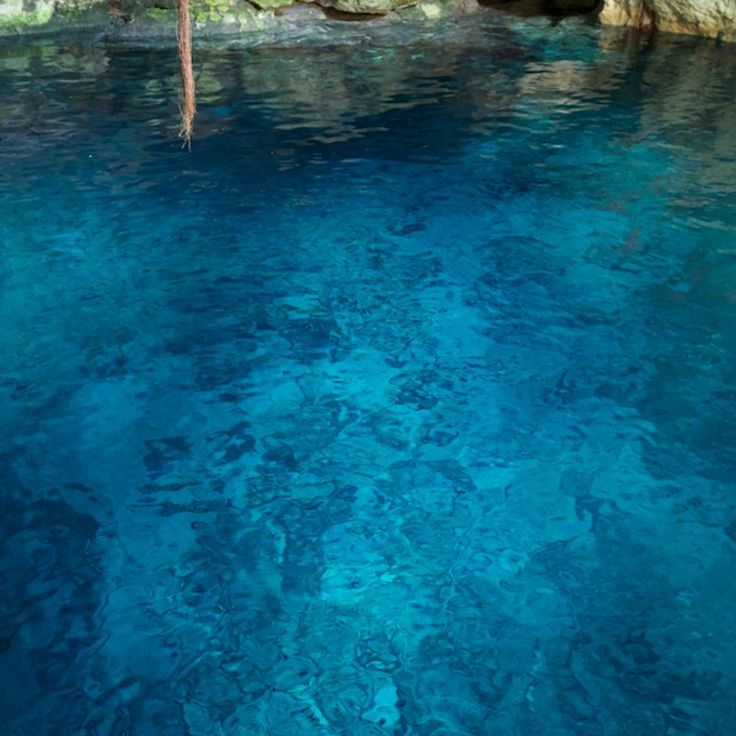
Cenote Kankirixche is an underground cave in Abalá that reveals the hidden natural wonders of Yucatan. With turquoise water and striking limestone formations shaped by natural erosion, this cenote shows how geological processes have shaped the region over time and offers a glimpse into the ancient waterways that have served local communities.
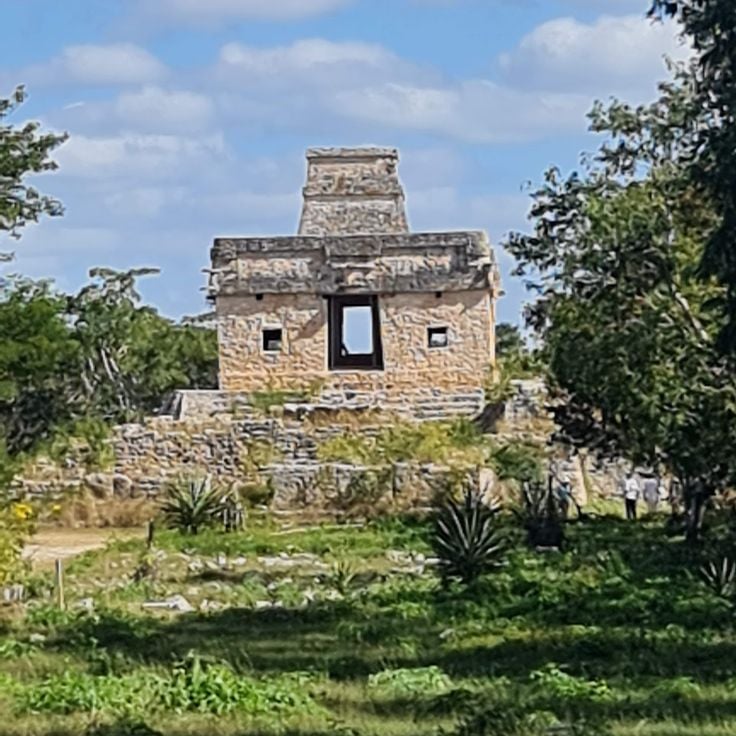
Dzibilchaltún National Park sits near Mérida and reveals the history of Maya civilization in the Yucatan. The park holds ancient ruins, a museum, and a large natural pool surrounded by native plants. Walking through this place, you sense how people once lived here and how the landscape shaped their world.
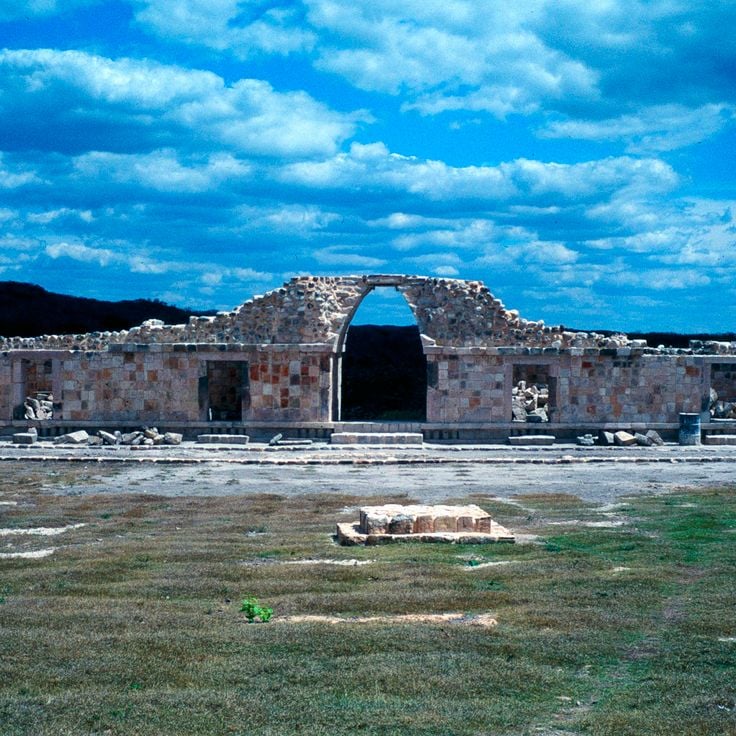
The Balamku Ruins are a Maya archaeological site in the Yucatan region that displays carved stone reliefs and architectural elements from the Classical period. This site is among the lesser-known archaeological places in the region and offers insights into Maya culture and history hidden in this remote area.
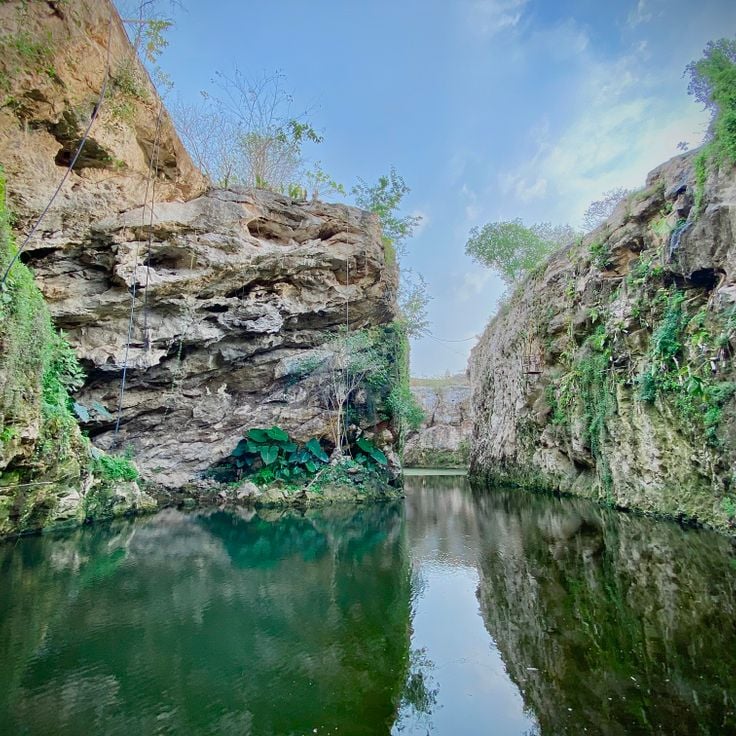
Cenote Xcanche is a hidden limestone pool near Ek Balam that rewards visitors willing to venture beyond the usual routes. This sinkhole sits in a secluded setting where you can rappel down cliff faces, zip-line above the water, or swim in the cool depths. The cenote reveals the natural character of the Yucatan region and shows how the Maya people connected to these water sources for survival and ritual.
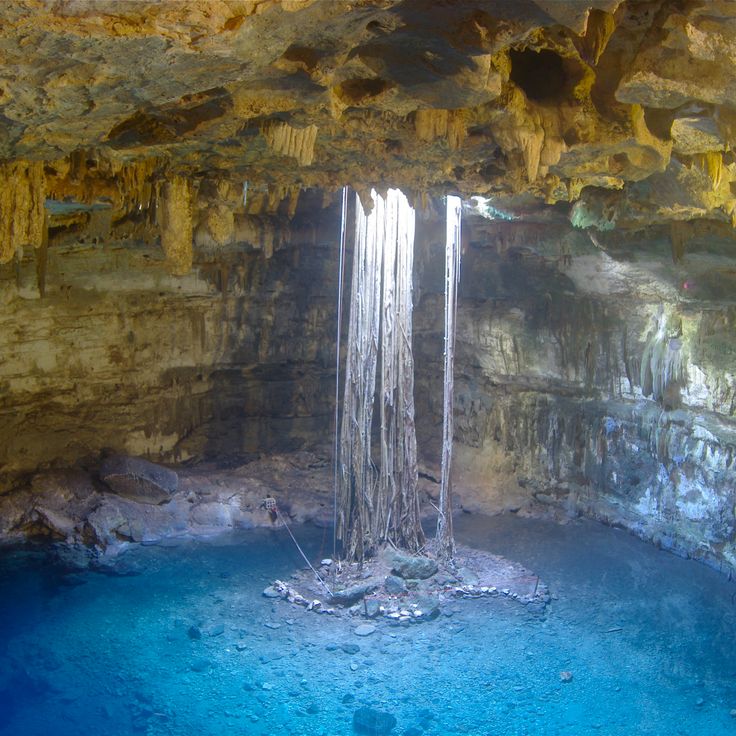
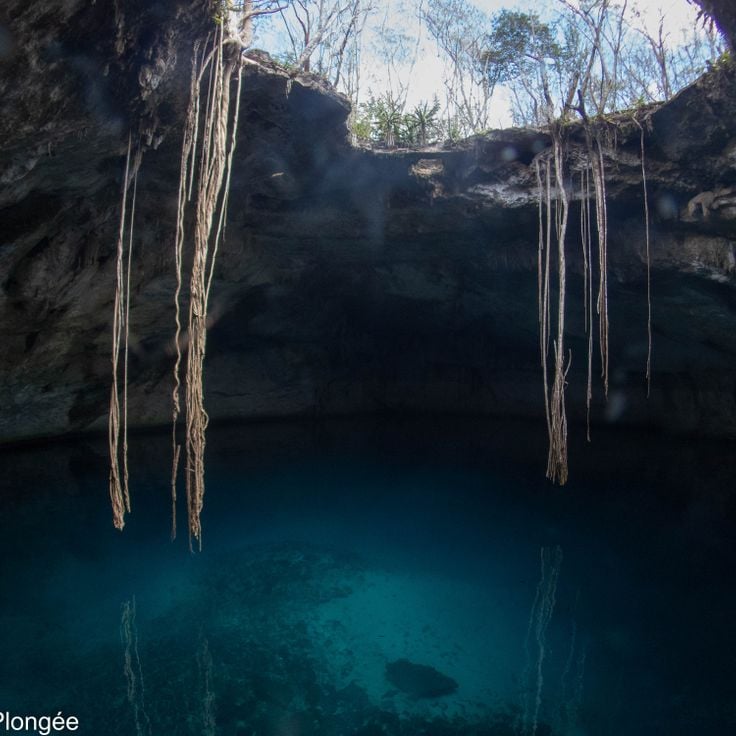
Cenote Samula is an underground cenote in Valladolid that represents one of the hidden sites in Yucatan. A single opening in the ceiling allows light to fall on the water and root systems below, revealing the natural history of the region.
The Grutas de Loltun are cave networks found in this hidden corner of Yucatan, featuring striking stalactites and stalagmites formed over millennia. Within these caves lie archaeological artifacts that reveal how ancient people used these spaces. This site showcases both the natural geology and human history of the Yucatan region.
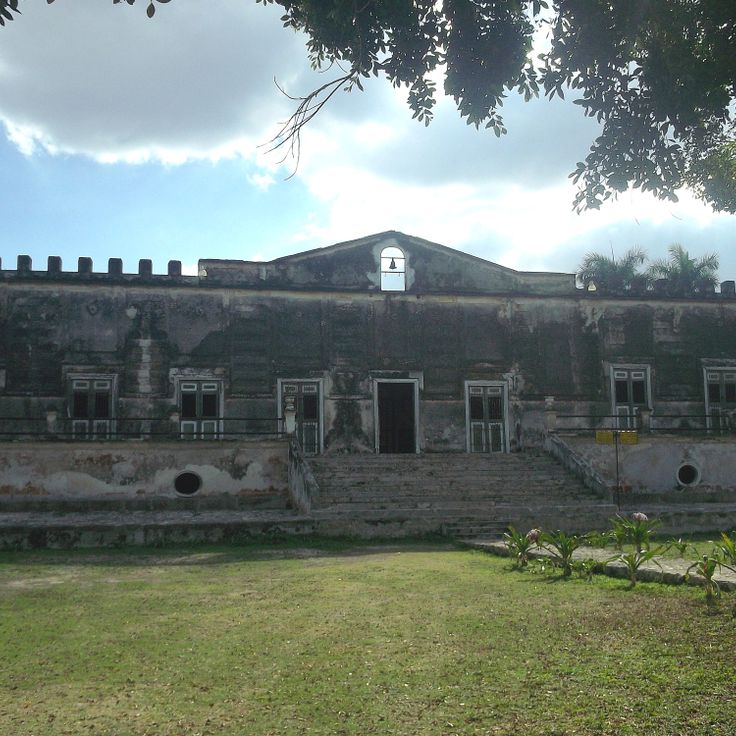
Hacienda Yaxcopoil is one of the most important rural estates that represents the henequen era. Today it functions as a museum and offers insight into the region's past. For this collection of secret places in Yucatan, it serves as an authentic testament to regional culture and rural life during a significant period of local history.
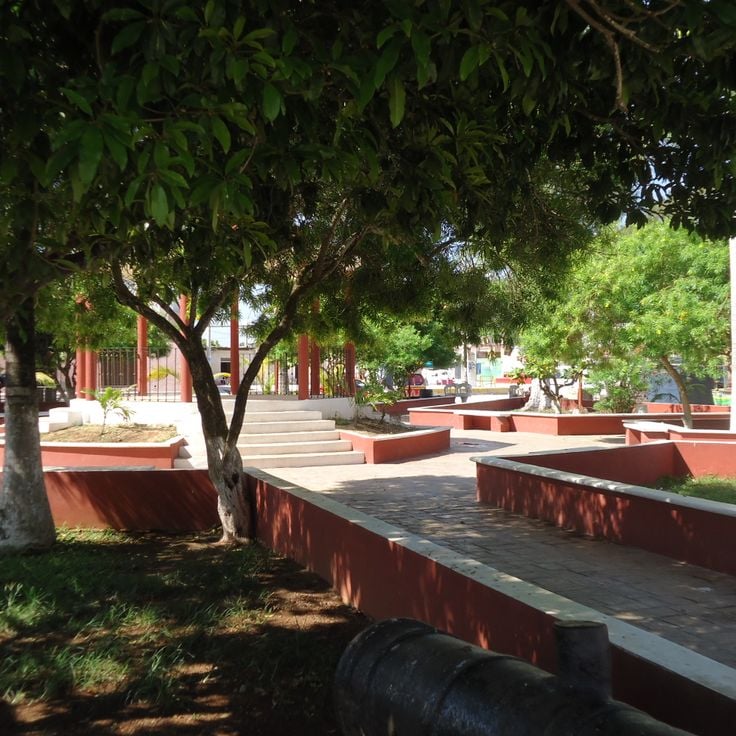
Muna Town sits on a hill and displays regional food, local crafts, and views over the surrounding landscape. As one of the lesser-known destinations in Yucatan, this town reveals how people live in the region away from the main tourist sites.
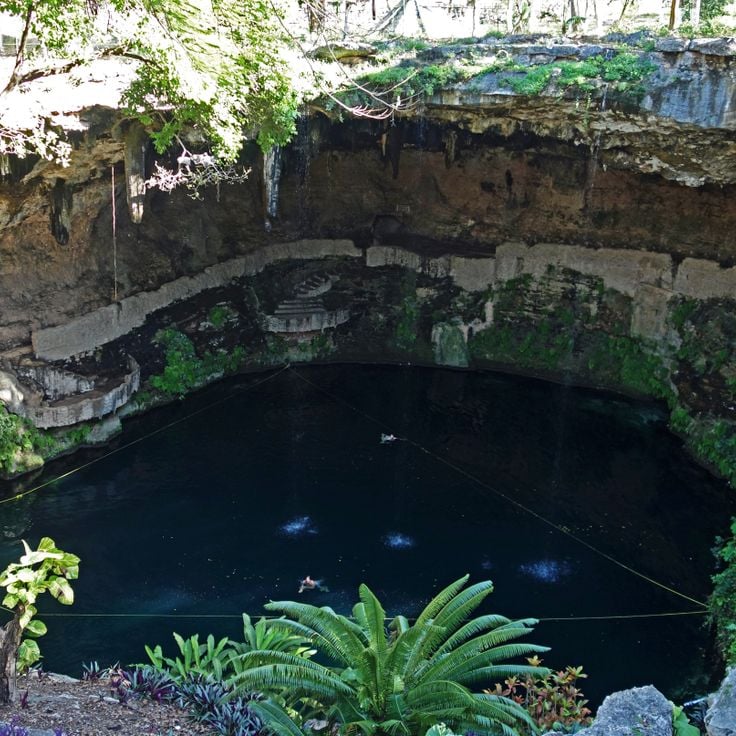
Cenote Zaci sits within the city of Valladolid and represents one of the hidden places in the Yucatan region. This natural sinkhole features a partially open ceiling that allows light to filter through, with stone steps descending to the water below. The cenote reveals the geological character of the area and held importance for the Maya people who lived here.
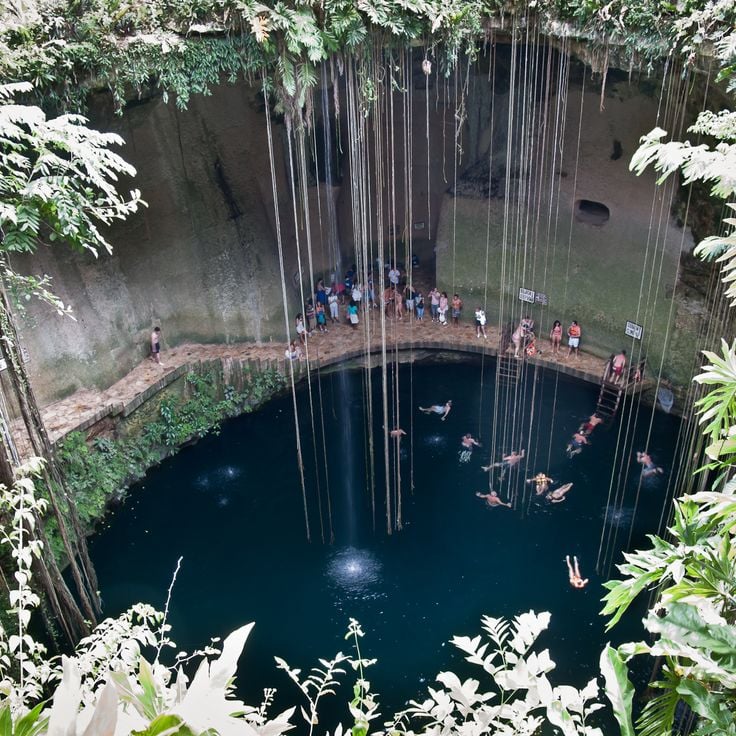
The X'Camat Ikil Cenote near Chichen Itza is a deep natural sinkhole where vines cling to the limestone walls and daylight filters down from above. This hidden site reveals the geological character of the Yucatan, far from the usual tourist routes, and offers visitors a chance to see how the region's water sources shaped Maya life for centuries.
Cenote Noh Mozon is a hidden site in the Yucatan region, notable for its natural waterfall and thick vegetation surrounding the water. The clear, cool water invites swimming and reveals the geological features that shape this part of Mexico. This cenote shows the natural wonders that exist alongside the region's Maya ruins and historic buildings, offering insight into both the landscape and local life of Yucatan.
Río Lagartos is a fishing village that represents one of the hidden sites in the Yucatán region. The saltwater lagoon here is home to crocodiles and numerous water birds, including pink flamingos. This place reveals both the local way of life and the natural richness that defines the area.
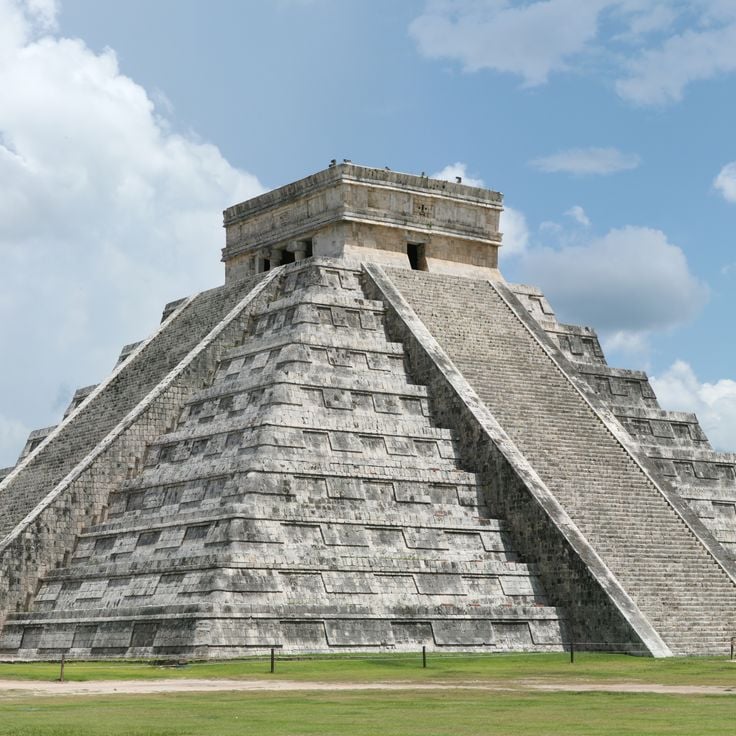
El Castillo is a Mayan stone pyramid in Calakmul that once served as a temple. Rising 45 meters high, this structure displays typical Mayan construction features. It stands as one of the region's lesser-known sites, offering insight into the history and culture of the Maya civilization.
The Calcehtok Caves form part of this collection of hidden places across the Yucatan, offering an underground world with multiple levels below the surface. The cave system holds natural stone formations and artifacts from the Maya civilization. Walking through these passages, visitors encounter the darkness and geological layers that have developed over millions of years. The caves reveal traces of how ancient people used this space.
Ek Balam is an archaeological site in the Yucatan region and one of the lesser-known Maya ruins hidden in the collection of secret places. The pyramids, plazas, and wall paintings date from the Classic Maya period between 600 and 900 CE. This site reveals the history and culture of the region through its structures and artistic remains.
Xlacah Cenote is a natural water pool next to Maya ruins in Dzibilchaltun. Measuring 100 meters in length with a depth of 44 meters, this site shows the connection between water and the ancient settlements of the region. The cenote was important to the Maya people and remains today a record of their history and relationship with the Yucatan landscape.
Hacienda Sotuta de Peon reveals how sisal was produced in this region centuries ago. The restored estate preserves original 19th century machinery that workers once used to extract fibers from agave plants. As you walk through the workshops, you see how this material shaped the economy of the Yucatan and shaped the lives of those who worked here.
The Homun Cenotes are a group of natural water caves that provide access to underground freshwater pools. The clear water reaches depths of 40 meters. These secret places of the Yucatan peninsula showcase the region's geological history and held great importance for the Maya.
The Izamal Monastery is a hidden place in the Yucatan region that reflects the history and culture of this area. The Franciscan monastery was built on the foundation of a Maya pyramid. The yellow facade of the building is visible from afar and shapes the character of this location.
Mayapan Archaeological Site is a 13th-century Maya city with over 4000 structures within its city walls. This site contains temples and palaces that reveal how the Maya lived and organized their community. The ruins are among the lesser-explored places in Yucatan that showcase the region's history and culture, offering insight into the daily life of ancient Maya civilization.
Oxkintok Ruins is a Maya site with a tunnel system and several building groups from different architectural periods between 300 and 1000 CE. These ruins are among the lesser-known archaeological sites in the Yucatan region and offer insights into Maya civilization and local history.
Ria Lagartos Biosphere Reserve displays the natural side of the Yucatan region. This reserve hosts large populations of pink flamingos, mangrove forests, and freshwater lagoons with numerous bird species. Located on the northern coast, it offers insights into local nature and the way people live here.
The Cuzama Cenotes are three underground water pools linked by an old railroad track from the sisal production era. This hidden site shows how people in the Yucatan region used their natural resources and shaped the land.
These three cenotes of Santa Barbara offer clear waters for swimming and are among the hidden places of Yucatan. Stairs and lighting make it easy to access the caves, where you can explore the natural beauty of these underground water sources.
Labná Archaeological Site reveals a Maya city shaped by Puuc architecture, one of the lesser-known treasures of the Yucatan region. The stone facades display geometric patterns and carved ornaments that speak to Maya craftsmanship. Walking through this site, you encounter the design principles that guided Maya builders across the peninsula.
Uxmal Archaeological Site displays a Maya complex with geometric patterns and masks of the rain god Chaac carved on building facades from the 7th century. This site reveals the construction techniques and religious beliefs of the Maya civilization that flourished in this region.
Xkeken Cenote is an underground water reservoir in Valladolid that receives natural light through openings in its ceiling. Mineral formations hang from the cave ceiling. This site is among the hidden treasures of the Yucatan region and displays the geological wonders that shape this landscape.
Kabah Archaeological Site is one of the hidden places in the Yucatan region. The Palace of Masks here displays 250 stone representations of the rain god Chaac with a curved nose and rows of teeth. These Maya ruins reveal the artistic skill and religious devotion of Maya culture.
Cenote Yokdzonot is a natural well 45 meters deep that reveals how the Yucatan region holds hidden places of geological importance. The cenote offers swimming opportunities, with wooden walkways leading down to the water and ropes that allow visitors to jump in. This site connects the region's natural formation with how local people have used these waters for centuries.
This former commercial port showcases the Yucatan region's maritime history through its long sandy beaches and clean waters. The quiet shores reveal how trade shaped this coastal community in earlier centuries. Visitors find an uncrowded seaside setting where they can walk along the sand and observe the daily rhythms of local life away from busy tourist areas.
Cenote Kankirixche is an underground cave in Abalá that reveals the hidden natural wonders of Yucatan. With turquoise water and striking limestone formations shaped by natural erosion, this cenote shows how geological processes have shaped the region over time and offers a glimpse into the ancient waterways that have served local communities.
Dzibilchaltún National Park sits near Mérida and reveals the history of Maya civilization in the Yucatan. The park holds ancient ruins, a museum, and a large natural pool surrounded by native plants. Walking through this place, you sense how people once lived here and how the landscape shaped their world.
The Balamku Ruins are a Maya archaeological site in the Yucatan region that displays carved stone reliefs and architectural elements from the Classical period. This site is among the lesser-known archaeological places in the region and offers insights into Maya culture and history hidden in this remote area.
Cenote Xcanche is a hidden limestone pool near Ek Balam that rewards visitors willing to venture beyond the usual routes. This sinkhole sits in a secluded setting where you can rappel down cliff faces, zip-line above the water, or swim in the cool depths. The cenote reveals the natural character of the Yucatan region and shows how the Maya people connected to these water sources for survival and ritual.
Cenote Samula is an underground cenote in Valladolid that represents one of the hidden sites in Yucatan. A single opening in the ceiling allows light to fall on the water and root systems below, revealing the natural history of the region.
The Grutas de Loltun are cave networks found in this hidden corner of Yucatan, featuring striking stalactites and stalagmites formed over millennia. Within these caves lie archaeological artifacts that reveal how ancient people used these spaces. This site showcases both the natural geology and human history of the Yucatan region.
Hacienda Yaxcopoil is one of the most important rural estates that represents the henequen era. Today it functions as a museum and offers insight into the region's past. For this collection of secret places in Yucatan, it serves as an authentic testament to regional culture and rural life during a significant period of local history.
Muna Town sits on a hill and displays regional food, local crafts, and views over the surrounding landscape. As one of the lesser-known destinations in Yucatan, this town reveals how people live in the region away from the main tourist sites.
Cenote Zaci sits within the city of Valladolid and represents one of the hidden places in the Yucatan region. This natural sinkhole features a partially open ceiling that allows light to filter through, with stone steps descending to the water below. The cenote reveals the geological character of the area and held importance for the Maya people who lived here.
The X'Camat Ikil Cenote near Chichen Itza is a deep natural sinkhole where vines cling to the limestone walls and daylight filters down from above. This hidden site reveals the geological character of the Yucatan, far from the usual tourist routes, and offers visitors a chance to see how the region's water sources shaped Maya life for centuries.
Cenote Noh Mozon is a hidden site in the Yucatan region, notable for its natural waterfall and thick vegetation surrounding the water. The clear, cool water invites swimming and reveals the geological features that shape this part of Mexico. This cenote shows the natural wonders that exist alongside the region's Maya ruins and historic buildings, offering insight into both the landscape and local life of Yucatan.
Río Lagartos is a fishing village that represents one of the hidden sites in the Yucatán region. The saltwater lagoon here is home to crocodiles and numerous water birds, including pink flamingos. This place reveals both the local way of life and the natural richness that defines the area.
El Castillo is a Mayan stone pyramid in Calakmul that once served as a temple. Rising 45 meters high, this structure displays typical Mayan construction features. It stands as one of the region's lesser-known sites, offering insight into the history and culture of the Maya civilization.
The Calcehtok Caves form part of this collection of hidden places across the Yucatan, offering an underground world with multiple levels below the surface. The cave system holds natural stone formations and artifacts from the Maya civilization. Walking through these passages, visitors encounter the darkness and geological layers that have developed over millions of years. The caves reveal traces of how ancient people used this space.
Ek Balam is an archaeological site in the Yucatan region and one of the lesser-known Maya ruins hidden in the collection of secret places. The pyramids, plazas, and wall paintings date from the Classic Maya period between 600 and 900 CE. This site reveals the history and culture of the region through its structures and artistic remains.
Xlacah Cenote is a natural water pool next to Maya ruins in Dzibilchaltun. Measuring 100 meters in length with a depth of 44 meters, this site shows the connection between water and the ancient settlements of the region. The cenote was important to the Maya people and remains today a record of their history and relationship with the Yucatan landscape.
Hacienda Sotuta de Peon reveals how sisal was produced in this region centuries ago. The restored estate preserves original 19th century machinery that workers once used to extract fibers from agave plants. As you walk through the workshops, you see how this material shaped the economy of the Yucatan and shaped the lives of those who worked here.
The Homun Cenotes are a group of natural water caves that provide access to underground freshwater pools. The clear water reaches depths of 40 meters. These secret places of the Yucatan peninsula showcase the region's geological history and held great importance for the Maya.
The Izamal Monastery is a hidden place in the Yucatan region that reflects the history and culture of this area. The Franciscan monastery was built on the foundation of a Maya pyramid. The yellow facade of the building is visible from afar and shapes the character of this location.
Mayapan Archaeological Site is a 13th-century Maya city with over 4000 structures within its city walls. This site contains temples and palaces that reveal how the Maya lived and organized their community. The ruins are among the lesser-explored places in Yucatan that showcase the region's history and culture, offering insight into the daily life of ancient Maya civilization.
Oxkintok Ruins is a Maya site with a tunnel system and several building groups from different architectural periods between 300 and 1000 CE. These ruins are among the lesser-known archaeological sites in the Yucatan region and offer insights into Maya civilization and local history.
Ria Lagartos Biosphere Reserve displays the natural side of the Yucatan region. This reserve hosts large populations of pink flamingos, mangrove forests, and freshwater lagoons with numerous bird species. Located on the northern coast, it offers insights into local nature and the way people live here.
The Cuzama Cenotes are three underground water pools linked by an old railroad track from the sisal production era. This hidden site shows how people in the Yucatan region used their natural resources and shaped the land.
These three cenotes of Santa Barbara offer clear waters for swimming and are among the hidden places of Yucatan. Stairs and lighting make it easy to access the caves, where you can explore the natural beauty of these underground water sources.
Labná Archaeological Site reveals a Maya city shaped by Puuc architecture, one of the lesser-known treasures of the Yucatan region. The stone facades display geometric patterns and carved ornaments that speak to Maya craftsmanship. Walking through this site, you encounter the design principles that guided Maya builders across the peninsula.
Uxmal Archaeological Site displays a Maya complex with geometric patterns and masks of the rain god Chaac carved on building facades from the 7th century. This site reveals the construction techniques and religious beliefs of the Maya civilization that flourished in this region.
Xkeken Cenote is an underground water reservoir in Valladolid that receives natural light through openings in its ceiling. Mineral formations hang from the cave ceiling. This site is among the hidden treasures of the Yucatan region and displays the geological wonders that shape this landscape.
Kabah Archaeological Site is one of the hidden places in the Yucatan region. The Palace of Masks here displays 250 stone representations of the rain god Chaac with a curved nose and rows of teeth. These Maya ruins reveal the artistic skill and religious devotion of Maya culture.
Cenote Yokdzonot is a natural well 45 meters deep that reveals how the Yucatan region holds hidden places of geological importance. The cenote offers swimming opportunities, with wooden walkways leading down to the water and ropes that allow visitors to jump in. This site connects the region's natural formation with how local people have used these waters for centuries.
This former commercial port showcases the Yucatan region's maritime history through its long sandy beaches and clean waters. The quiet shores reveal how trade shaped this coastal community in earlier centuries. Visitors find an uncrowded seaside setting where they can walk along the sand and observe the daily rhythms of local life away from busy tourist areas.
Cenote Kankirixche is an underground cave in Abalá that reveals the hidden natural wonders of Yucatan. With turquoise water and striking limestone formations shaped by natural erosion, this cenote shows how geological processes have shaped the region over time and offers a glimpse into the ancient waterways that have served local communities.
Dzibilchaltún National Park sits near Mérida and reveals the history of Maya civilization in the Yucatan. The park holds ancient ruins, a museum, and a large natural pool surrounded by native plants. Walking through this place, you sense how people once lived here and how the landscape shaped their world.
The Balamku Ruins are a Maya archaeological site in the Yucatan region that displays carved stone reliefs and architectural elements from the Classical period. This site is among the lesser-known archaeological places in the region and offers insights into Maya culture and history hidden in this remote area.
Cenote Xcanche is a hidden limestone pool near Ek Balam that rewards visitors willing to venture beyond the usual routes. This sinkhole sits in a secluded setting where you can rappel down cliff faces, zip-line above the water, or swim in the cool depths. The cenote reveals the natural character of the Yucatan region and shows how the Maya people connected to these water sources for survival and ritual.
Cenote Samula is an underground cenote in Valladolid that represents one of the hidden sites in Yucatan. A single opening in the ceiling allows light to fall on the water and root systems below, revealing the natural history of the region.
The Grutas de Loltun are cave networks found in this hidden corner of Yucatan, featuring striking stalactites and stalagmites formed over millennia. Within these caves lie archaeological artifacts that reveal how ancient people used these spaces. This site showcases both the natural geology and human history of the Yucatan region.
Hacienda Yaxcopoil is one of the most important rural estates that represents the henequen era. Today it functions as a museum and offers insight into the region's past. For this collection of secret places in Yucatan, it serves as an authentic testament to regional culture and rural life during a significant period of local history.
Muna Town sits on a hill and displays regional food, local crafts, and views over the surrounding landscape. As one of the lesser-known destinations in Yucatan, this town reveals how people live in the region away from the main tourist sites.
Cenote Zaci sits within the city of Valladolid and represents one of the hidden places in the Yucatan region. This natural sinkhole features a partially open ceiling that allows light to filter through, with stone steps descending to the water below. The cenote reveals the geological character of the area and held importance for the Maya people who lived here.
The X'Camat Ikil Cenote near Chichen Itza is a deep natural sinkhole where vines cling to the limestone walls and daylight filters down from above. This hidden site reveals the geological character of the Yucatan, far from the usual tourist routes, and offers visitors a chance to see how the region's water sources shaped Maya life for centuries.
Cenote Noh Mozon is a hidden site in the Yucatan region, notable for its natural waterfall and thick vegetation surrounding the water. The clear, cool water invites swimming and reveals the geological features that shape this part of Mexico. This cenote shows the natural wonders that exist alongside the region's Maya ruins and historic buildings, offering insight into both the landscape and local life of Yucatan.
Río Lagartos is a fishing village that represents one of the hidden sites in the Yucatán region. The saltwater lagoon here is home to crocodiles and numerous water birds, including pink flamingos. This place reveals both the local way of life and the natural richness that defines the area.
El Castillo is a Mayan stone pyramid in Calakmul that once served as a temple. Rising 45 meters high, this structure displays typical Mayan construction features. It stands as one of the region's lesser-known sites, offering insight into the history and culture of the Maya civilization.