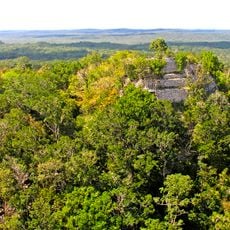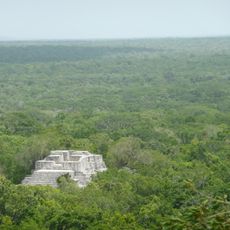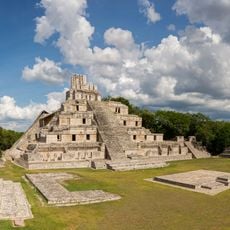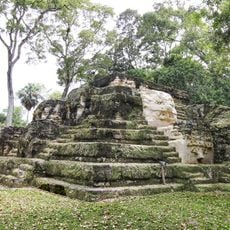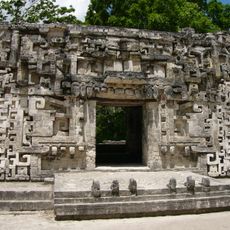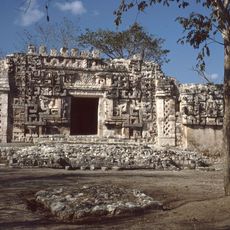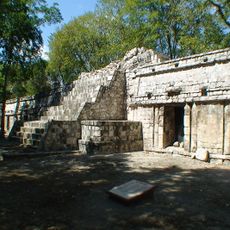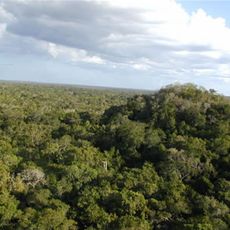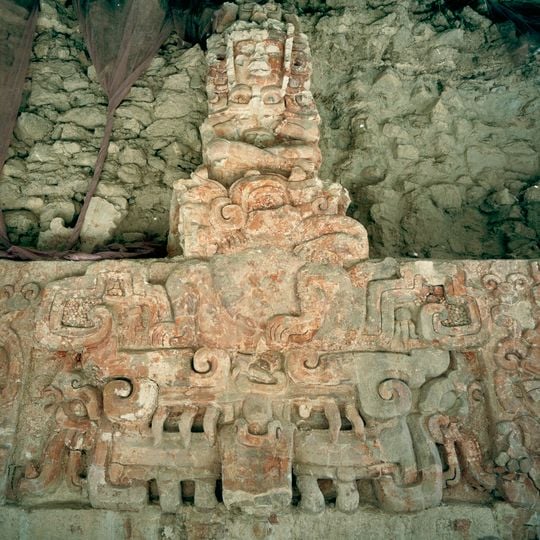
Balamku, Maya archaeological site in Campeche, Mexico.
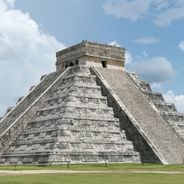
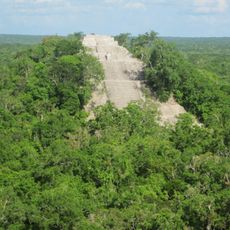
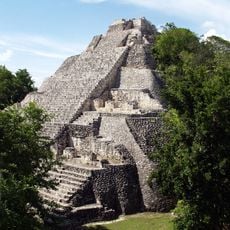
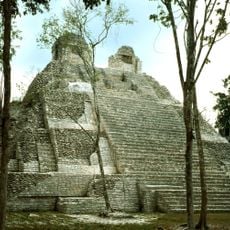
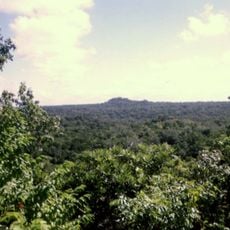
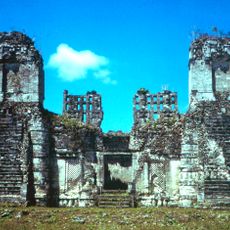
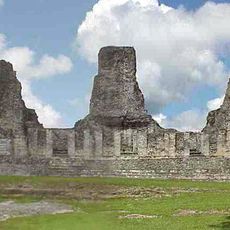
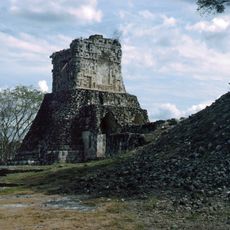
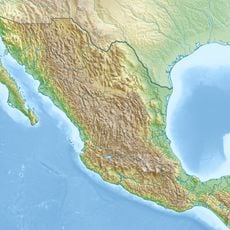
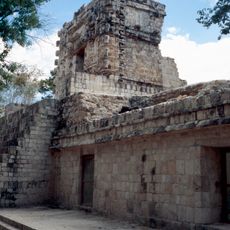
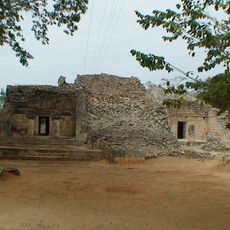
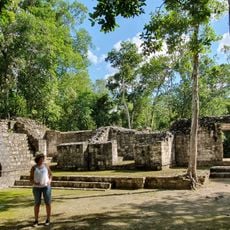
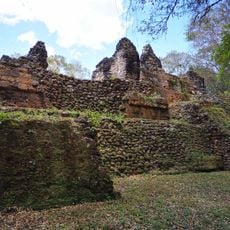
Balamku is a Maya archaeological site in Campeche, Mexico, covering about 25 hectares on a poorly drained karstic plateau. Its four architectural groups include the Central Group with three plazas and a ballcourt, the South Group with four plazas, a Southwest Group forming an E-Group astronomical complex, and an unexcavated North Group with structures over 15 metres tall.
The site was first occupied around 300 BC and reached its architectural peak between 300 and 600 AD during the Early Classic period. Most of the structures you see today were built during this flourishing time.
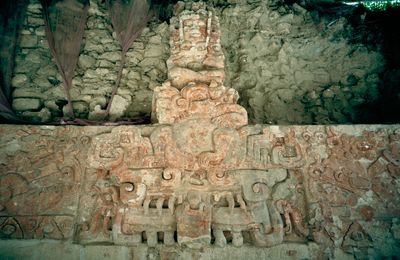
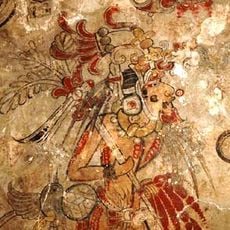
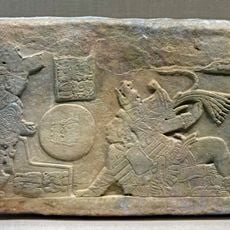
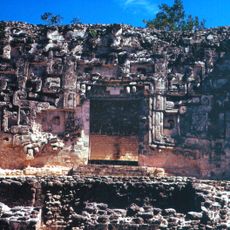
The name Balamku comes from Yucatec Maya: balam means jaguar and ku means temple, giving "Temple of the Jaguar". The site's main artwork, the Frieze of the Universe, shows four rulers around a sacred mountain with a saurian, snakes, jaguars and a mask of the sun god Kinich Ahau.
Access is via a 3 km side road opposite the Conhuás ejido on the Escárcega–Chetumal highway. Only the South and Central Groups have been partly excavated; the North Group is mapped but unexcavated. The stucco frieze is sheltered by a roof and open to visitors.
One of the largest preserved stucco friezes in the Maya world was found here, discovered in 1990 while investigating archaeological looting. This artwork reveals the craftsmanship and artistic skill of the Maya artisans.
The community of curious travelers
AroundUs brings together thousands of curated places, local tips, and hidden gems, enriched daily by 93,870 contributors worldwide.