Hochob, Maya archaeological site in Campeche, Mexico
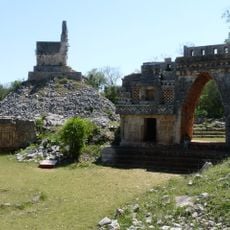
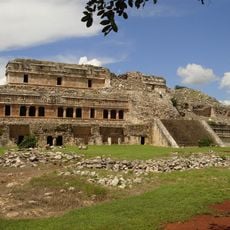
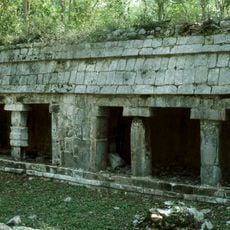
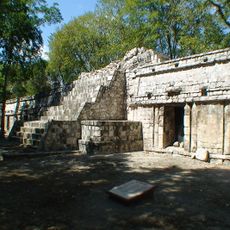
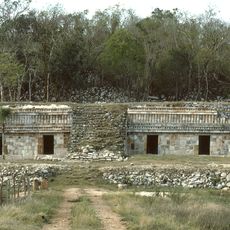
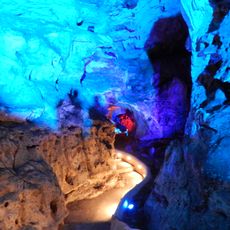
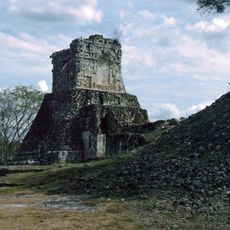
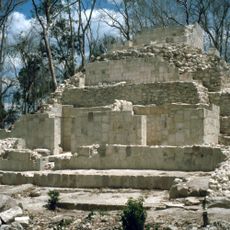
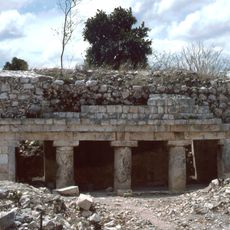
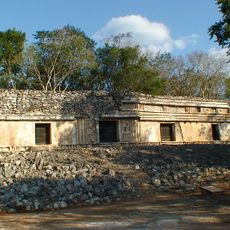
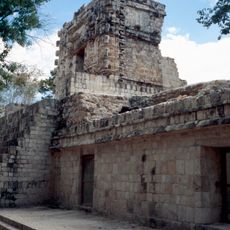
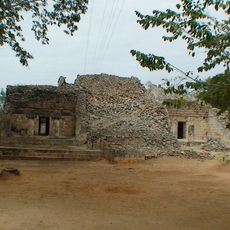
Hochob is a Maya settlement located on a 30 meter high rectangular hill in Campeche, extending 200 meters from east to west. The site contains three main plazas connected by stone staircases and multiple underground chambers that collected rainwater.
The settlement developed during the Late Classic Period and reflects the architectural practices of that time. An explorer documented it in 1887 and published the first photographs, bringing international attention to this archaeological site.
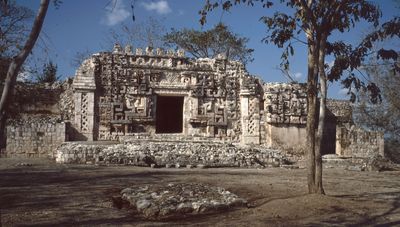
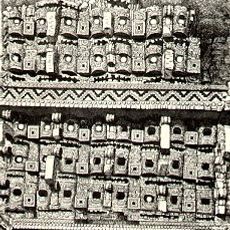
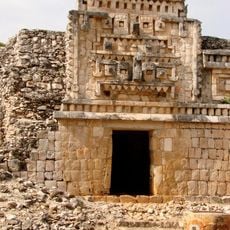
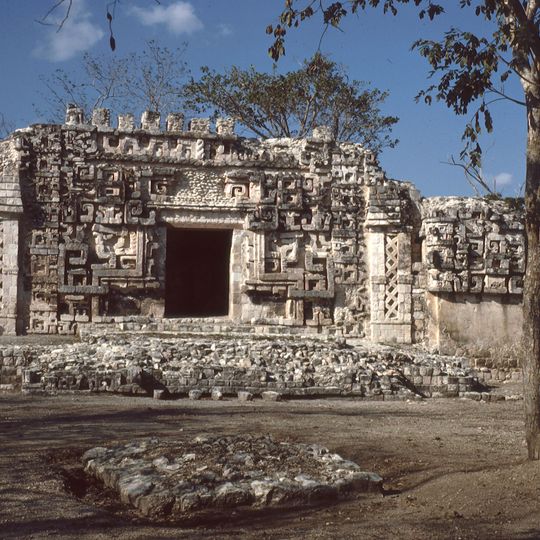
The main palace displays carved stone masks representing deities that held meaning for the community who built and used these structures. These religious images were placed where visitors could see them, making the spiritual beliefs visible in the architecture.
The site is located roughly 14 kilometers from the nearby village of Chencoh and is reached by a local road. Visitors should expect uneven staircases and exposed archaeological structures, so wearing proper footwear is important.
An exact replica of one principal facade is displayed at the National Museum of Anthropology in Mexico City, allowing visitors to study the stone carvings in detail. This copy was created to protect the fragile original architecture at this remote location.
The community of curious travelers
AroundUs brings together thousands of curated places, local tips, and hidden gems, enriched daily by 91,307 contributors worldwide.