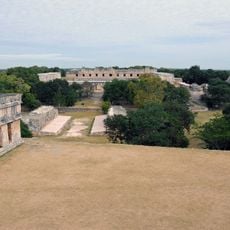
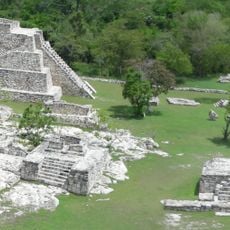
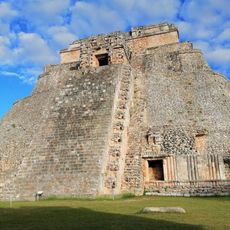
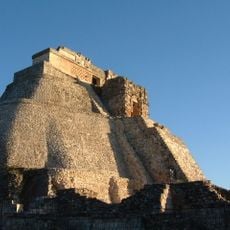
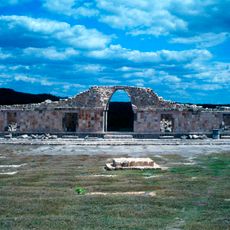
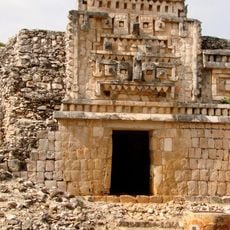
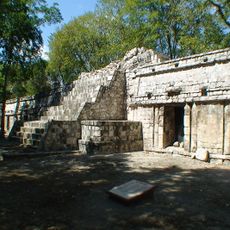
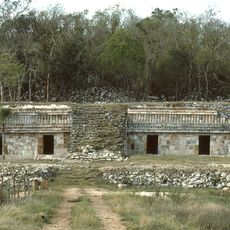
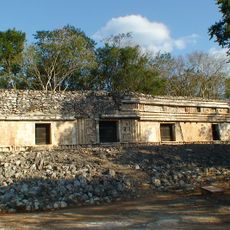
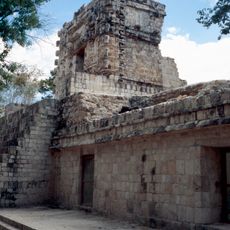
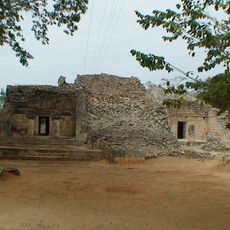
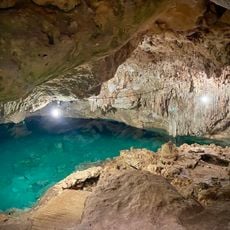
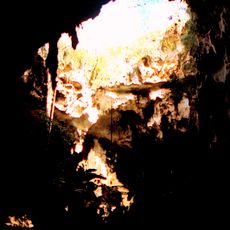
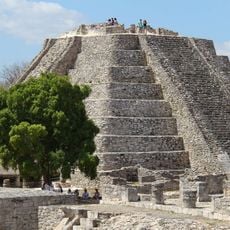
Kiuic, Maya archaeological site in Puuc region, Yucatán, Mexico.
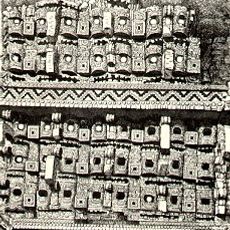
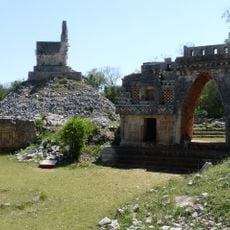
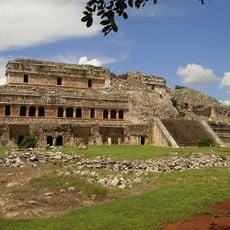
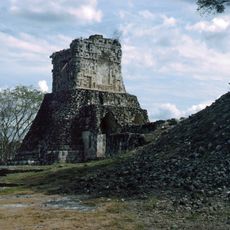
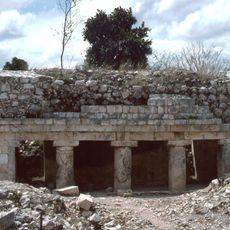
Kiuic is a Maya site in the Puuc region of Yucatán featuring ceremonial platforms, residential structures, and stone monuments carved with Maya inscriptions. The layout shows how these buildings were arranged for both daily life and religious purposes across the grounds.
Kiuic was occupied from around 800 BCE, in the Middle Preclassic period, and developed continuously until the Late Classic. It peaked between 600 and 850 CE as a major Puuc power, then was abandoned by the Maya around 880 CE. Archaeologists have excavated evidence of the earliest occupation in the Dzunun plaza.
The site's name comes from the Maya word K'íiwik, meaning plaza, given at the time of its documentation. Its architecture belongs to the Puuc style, organised into the Chulul, Yaxché, Kuche, On, Chacah, Catzim and Balché groups. The Yaxché group, one of the largest, holds about 24 structures around the Icim, Dzunun and Ulum plazas.
The site is located in a remote area and is typically accessed by walking across uneven ground through vegetation. Comfortable footwear and water are essential as the site offers little shade and sees few visitors.
The site's name comes from the Maya word K'íiwik, meaning plaza, and was given at the time of its discovery. Archaeologists have compared Kiuic's preservation to that of Pompeii. It was first documented in print by John Lloyd Stephens and Frederick Catherwood in 1843, who recorded several structures and made illustrations of some buildings.
The community of curious travelers
AroundUs brings together thousands of curated places, local tips, and hidden gems, enriched daily by 93,861 contributors worldwide.