Xlapak, Archaeological site in Oxkutzcab, Mexico
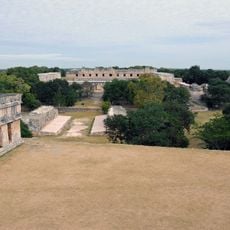
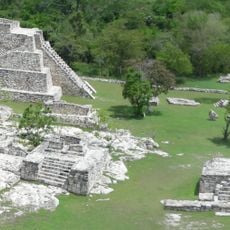
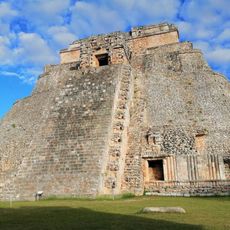
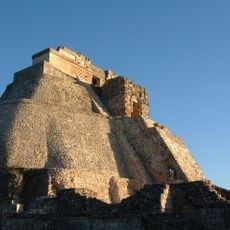
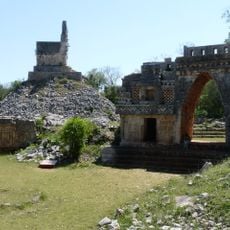
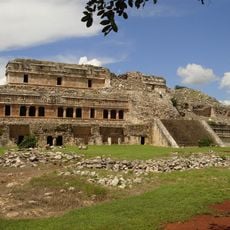
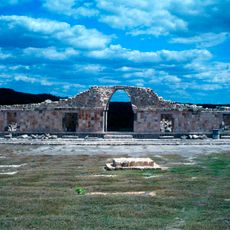
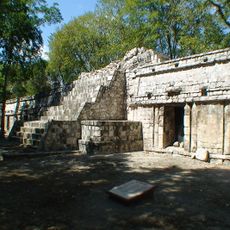
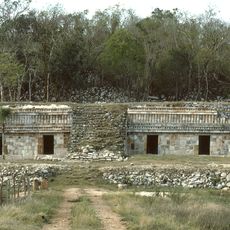
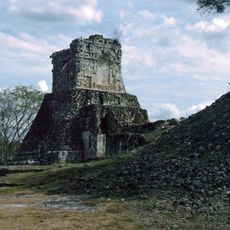
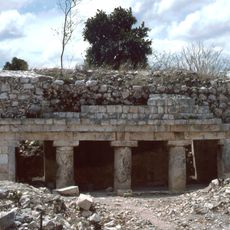
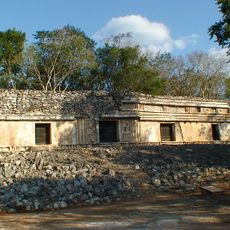
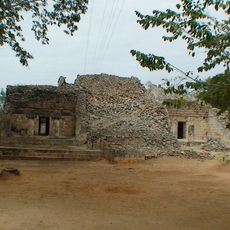
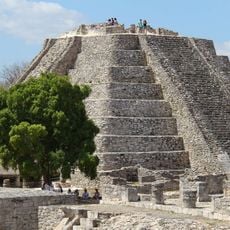
Xlapak is a Maya archaeological site in the Puuc Hills of Yucatan, made up of three groups of limestone structures. The facades are decorated with geometric patterns and sculpted figures in a style shared with nearby sites in the same region.
The site was occupied during the Late and Terminal Classic periods of Maya civilization, roughly between the 7th and 10th centuries. Excavations in the 1960s brought the structures into view after they had been covered for centuries by vegetation.
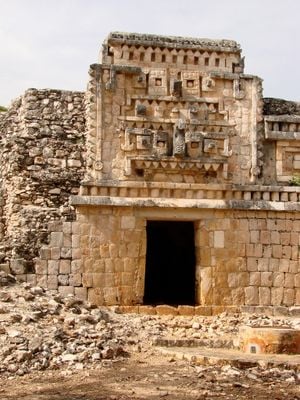
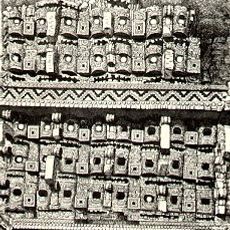
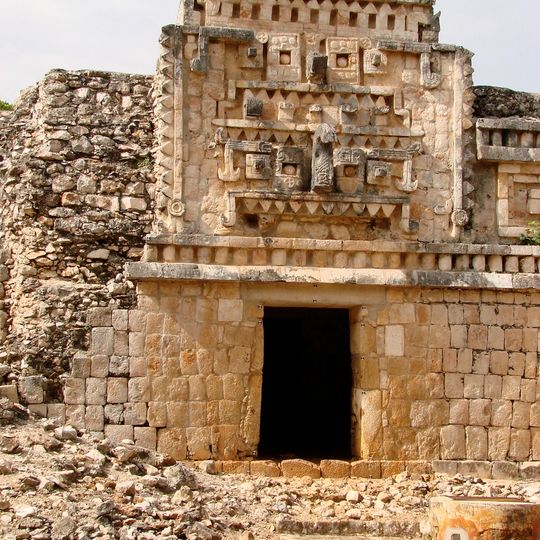
The main palace at Xlapak has nine rooms whose facades are covered with masks of Chaac, the rain god. These repeated faces show how central water was to the people who built and lived around this place.
The site is open every day and tends to have few visitors, so it is easy to walk around without crowds. Wear sturdy shoes and bring water, as the ground is uneven and can get slippery after rain.
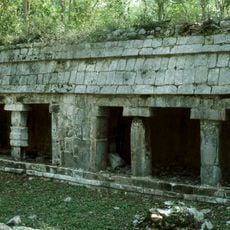
The lower sections of the palace walls below the medial molding were left completely plain, while the upper parts carry layers of geometric relief. This deliberate contrast between bare and decorated surfaces was a conscious choice by the builders, not an unfinished detail.
The community of curious travelers
AroundUs brings together thousands of curated places, local tips, and hidden gems, enriched daily by 92,710 contributors worldwide.