Sayil, Maya archaeological site in Oxkutzcab, Mexico
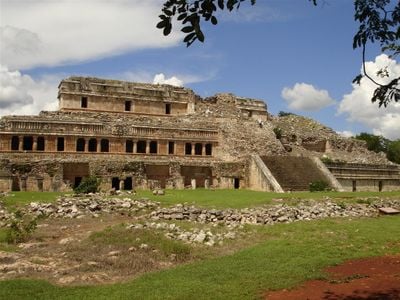
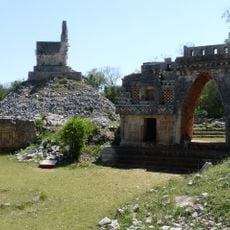
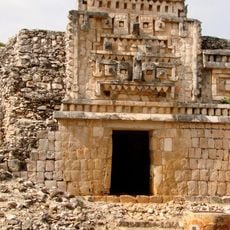
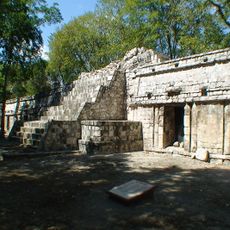
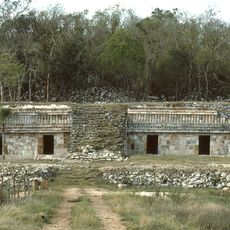
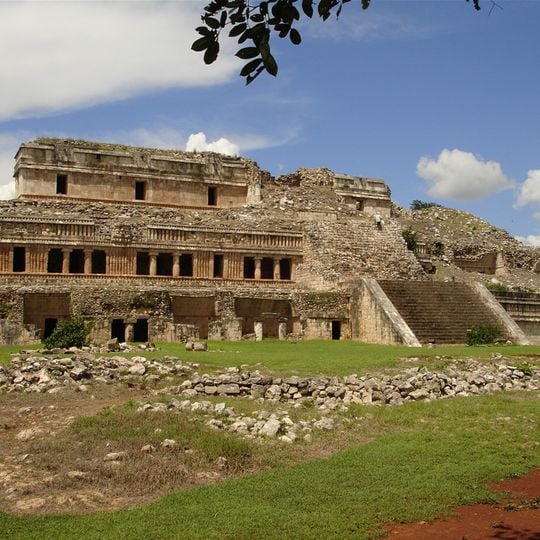
Sayil is an archaeological site with several building groups spread across the landscape. The center features large palaces that rise across multiple levels and contain numerous rooms for different purposes.
Sayil was first settled around AD 800, in the Late Classic period, possibly by small Chontal warrior groups. It reached its greatest extent around 900, covering about 5 km² with perhaps 10,000 inhabitants in the city and 5,000–7,000 more in the surrounding area. The city declined from about 950 and was abandoned by around 1000. John Lloyd Stephens and Frederick Catherwood brought it to outside attention in 1841, publishing an illustrated account in 1843 under the name "Zayi".
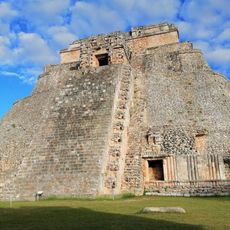
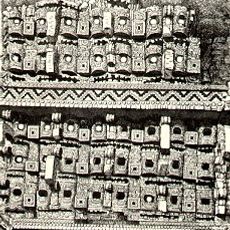
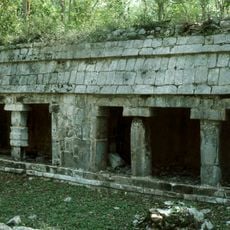
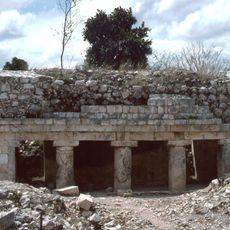
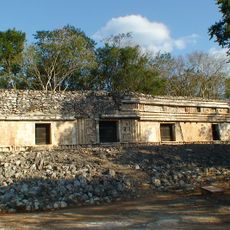
The structures here show the Puuc style with limestone walls and geometric patterns on the upper wall surfaces. This building approach shapes how the place looks and gives a sense of how residents once decorated their surroundings.
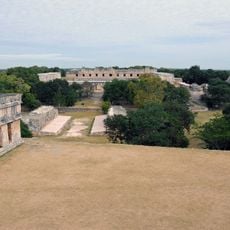
The site is easy to explore on foot, with plenty of space between the different building groups. Visitors should wear sturdy shoes and expect uneven ground, as some paths go over old steps and raised areas.
Sayil's population is estimated at 8,000–10,000 from the count of structures across about 3.5 km², and at 5,000–10,000 from the subterranean storage chambers called chultuns. The site was first reported to the outside world by John Lloyd Stephens and Frederick Catherwood, who explored it in 1841 and called it "Zayi".
The community of curious travelers
AroundUs brings together thousands of curated places, local tips, and hidden gems, enriched daily by 95,398 contributors worldwide.