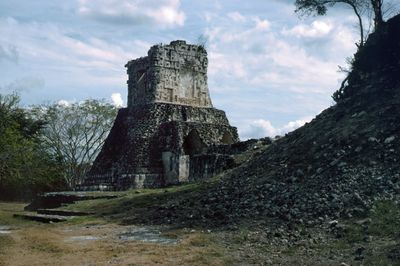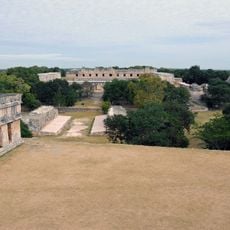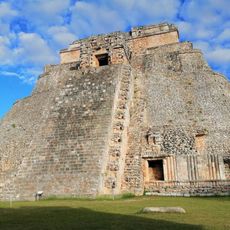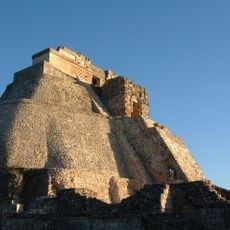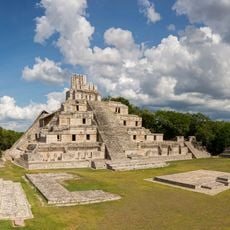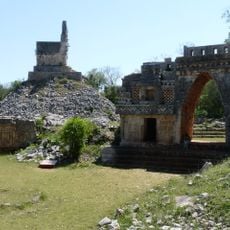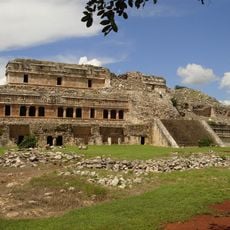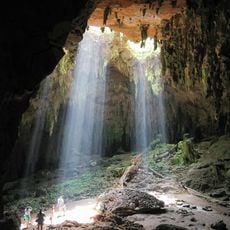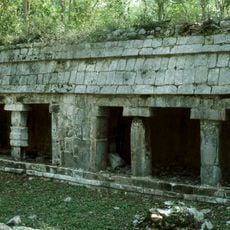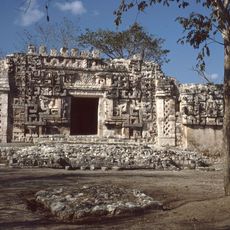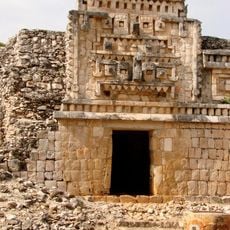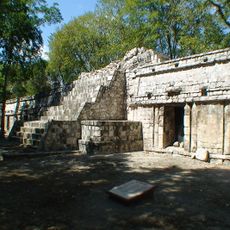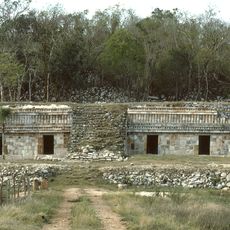
Dzibilnocac, Maya archaeological site in Iturbide, Mexico.
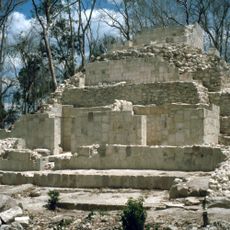
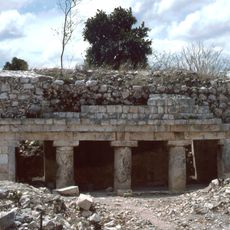
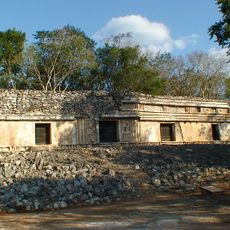
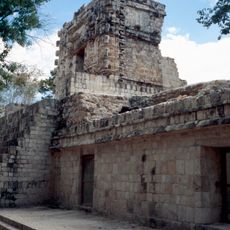
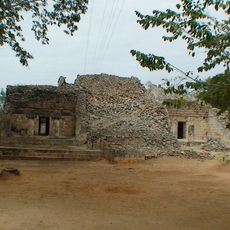
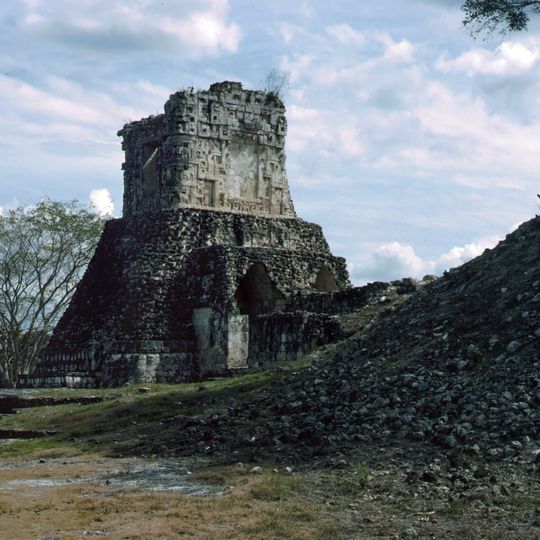
Dzibilnocac is an archaeological site in Hopelchén Municipality featuring multiple stone and mortar structures spread across forested terrain. The main complex includes palace buildings, pyramids, and smaller residential compounds arranged throughout the area.
Settlement at this location began around the 5th century BCE, but only became significant during the Classic Maya period. By the 8th century CE, the city had reached its peak as a major regional center before declining in later centuries.
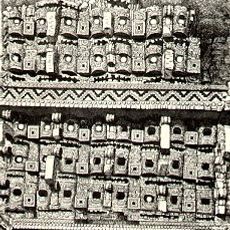
The name Dzibilnocac comes from the Yucatec Maya language and means painted vault, referring to the decorative details visible in the stone structures. The carved ornaments and painted surfaces that remain show the skilled craftsmanship of Maya artisans.
The site lies in jungle terrain and is best visited during the dry season when paths are passable and insects are less of a problem. Sturdy footwear, water, and insect repellent are essential gear for any visitor.
Two stelae at the site are dated to 731 and 764 CE, providing precise records of the city's existence during that period. These stone monuments are among the few surviving records that can be dated so accurately.
The community of curious travelers
AroundUs brings together thousands of curated places, local tips, and hidden gems, enriched daily by 92,602 contributors worldwide.