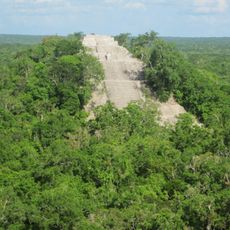
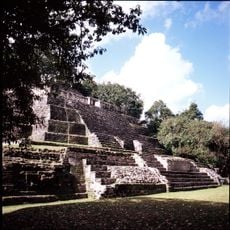
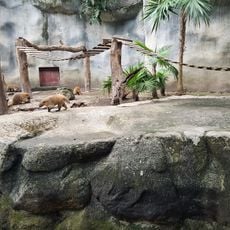
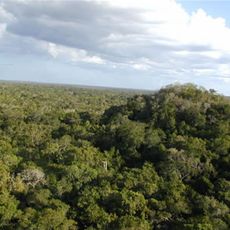
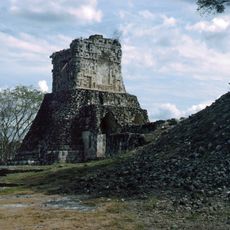
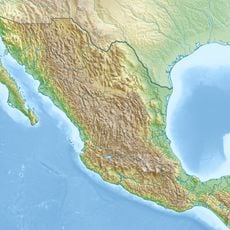
Chicanná, Maya ceremonial complex in Campeche, Mexico.
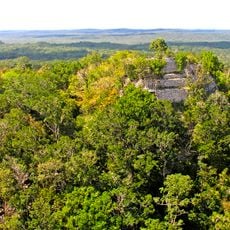
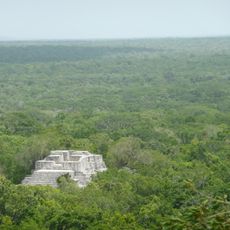
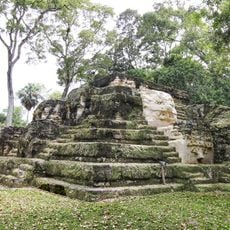
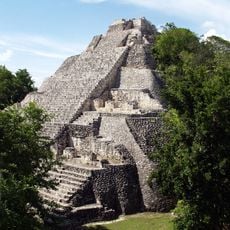
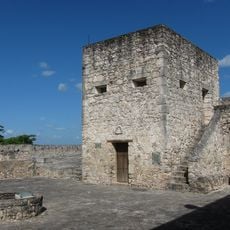
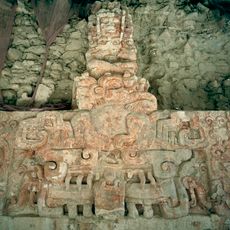
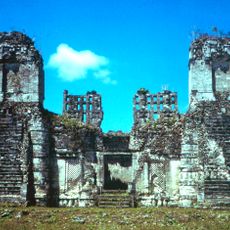
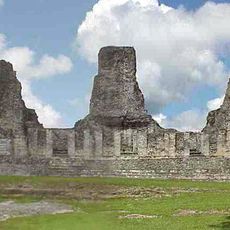
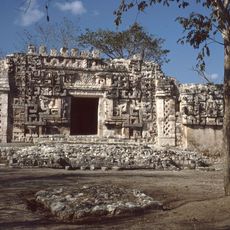
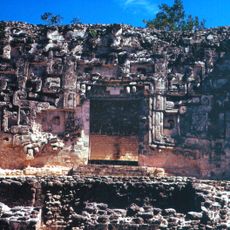
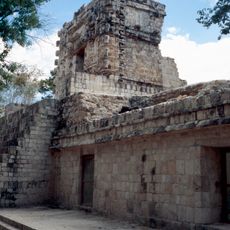
Chicanná is an archaeological site in Campeche featuring multiple structures with stone-carved facades depicting serpents, deities, and geometric designs across the complex. Seven main buildings showcase varying levels of decorative detail, each covered with carefully worked stone elements.
The settlement reached its peak during the Late Classic period between 600 and 830 AD, when residents constructed its elaborate ceremonial buildings. This building phase reflects the cultural development of the regional Maya population during that era.
The site's name comes from Maya chi (mouth), kaan (serpent) and naj (house), after the serpent-mouth facade of Structure II. That doorway is read as the face of the god Itzamná with open jaws, and traces of red paint survive on the stucco. Cháak' masks stand at the upper corners.
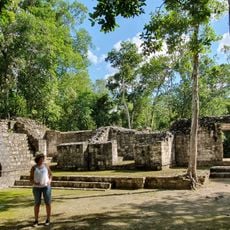
The site is open to visitors during daylight hours, with guides available to explain the architectural features of the main structures. Walking between the buildings requires care on uneven ground and in variable sunlight, so wear appropriate footwear and bring sun protection.
One building displays four relief panels in Rio Bec style with rooms positioned to align with specific solar movements used for calendar calculations. This architectural precision shows how Maya builders integrated astronomical observation into their designs.
The community of curious travelers
AroundUs brings together thousands of curated places, local tips, and hidden gems, enriched daily by 94,632 contributors worldwide.