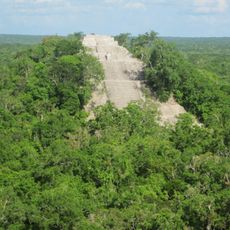
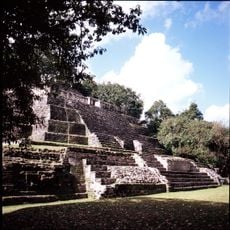
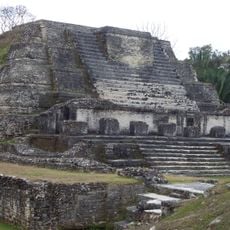
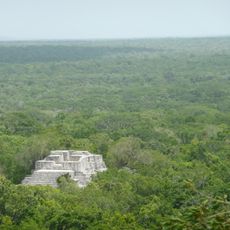
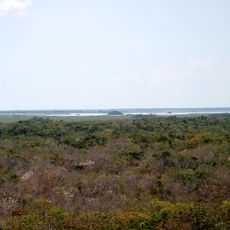
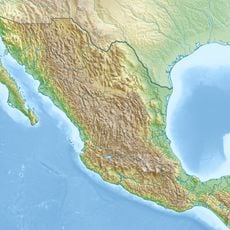
Dzibanche, Archaeological site in Bacalar Municipality, Mexico.
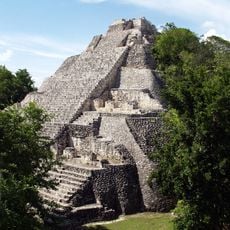
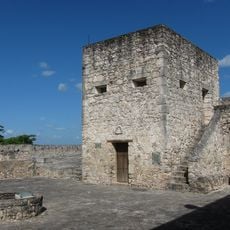
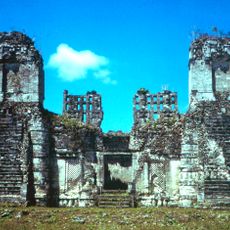
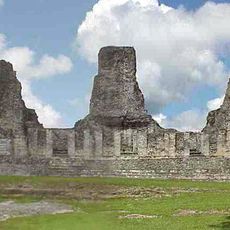
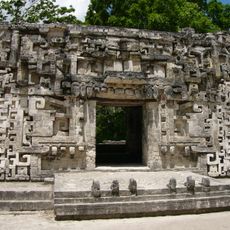
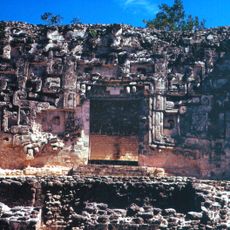
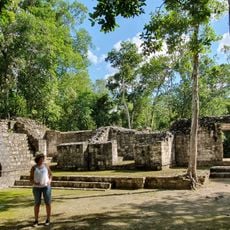
Dzibanche is a Maya archaeological site in southern Quintana Roo, Mexico, covering over 60 km² including agricultural zones. It comprises four monumental architectural groups: the Main Group (Dzibanche), Tutil, Lamay, and the great acropolis of Kinichná. These groups contain palatial buildings, pyramids, and temples such as the Temple of the Owl and the Temple of the Cormorants, connected by sacbe causeways. The architecture features Peten style and a local style known as Paired Pilasters.
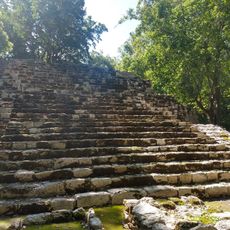
Settlement began around 200 BC, and from the Early Classic (about AD 200) Dzibanche grew into a major city. Its hieroglyphic stairway carries the earliest known Kaan emblem glyph, dated AD 495. In 562 the Kaan rulers defeated Tikal, and around 580–590 part of the lineage moved its seat to Calakmul. Dzibanche was abandoned by the 11th century.
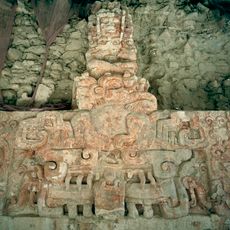
The name Dzibanche means 'writing on wood' and refers to wooden beams with Maya inscriptions found in some of the temples here. These carvings show how people recorded their language and thoughts in this place.
The site is best visited through a guided tour from Bacalar or Chetumal, where local guides explain the architecture and history. The grounds are accessible on foot, though sturdy shoes are recommended for the uneven paths.
A stairway here bears one of the earliest known emblems of the Kaan dynasty, dated to 495 AD. This rare carving helps archaeologists understand how this ruling family made their power known.
The community of curious travelers
AroundUs brings together thousands of curated places, local tips, and hidden gems, enriched daily by 93,838 contributors worldwide.