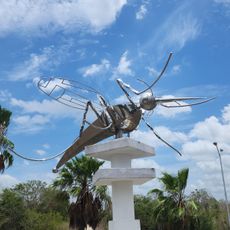
Dzibilchaltun, Archaeological site in Mérida, Mexico
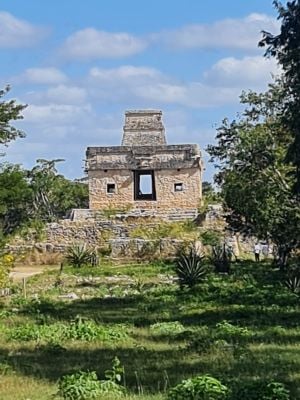
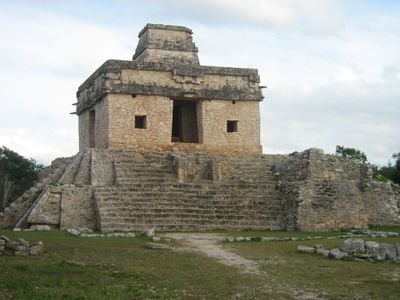
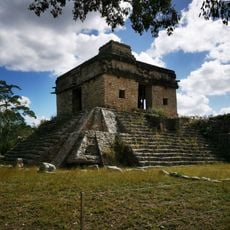
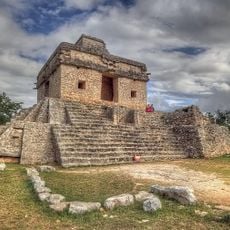
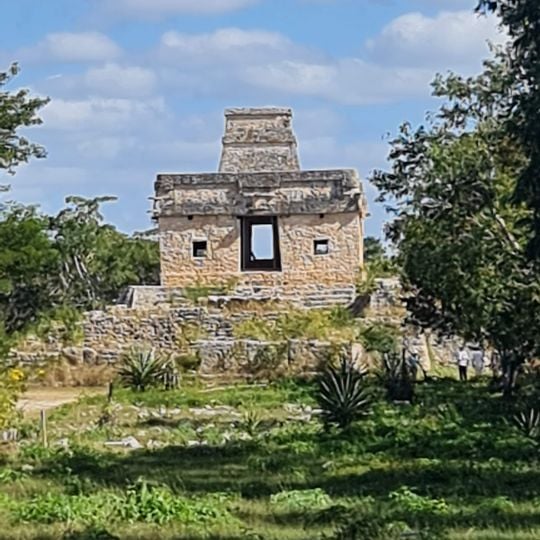
Dzibilchaltun is a sprawling archaeological site north of Mérida with hundreds of structures scattered among low forest and a cenote. The central temple rises from a rectangular platform, while a network of paths links the different areas of the settlement.
The settlement began around 1000 BC as a small village and grew over the centuries into a major Maya port that controlled trade between coast and inland. Its inhabitants gradually abandoned the site after 1500 AD as Spanish colonial influence increased.
The name comes from seven small clay figures that archaeologists discovered inside the central temple when they uncovered it in the 1950s. Many people visit early in the morning when the light hits the stone facades gently and the heat remains bearable.
The grounds open from early morning until late afternoon and are best explored in the cooler morning hours before the sun grows too intense. Visitors should bring closed shoes and a hat, as paths can be uneven and shade remains sparse.
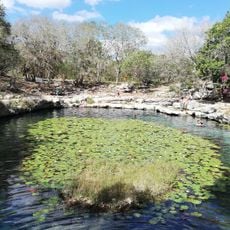
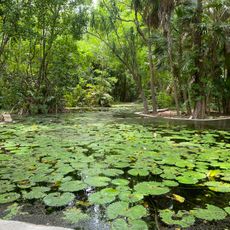
An open cenote sits next to the main ruins and once served as a water source for the entire city, which is why many paths lead in this direction. Today visitors occasionally swim in it while the stone temples reflect in the still water.
The community of curious travelers
AroundUs brings together thousands of curated places, local tips, and hidden gems, enriched daily by 91,966 contributors worldwide.