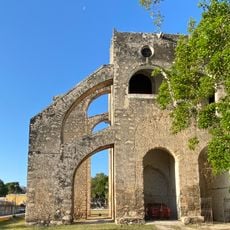
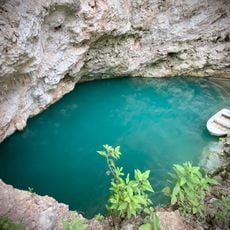
Balankanche, Archaeological cave site in Tinum, Yucatán, Mexico
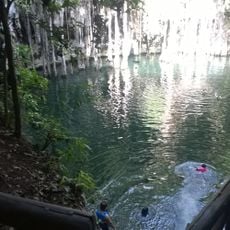
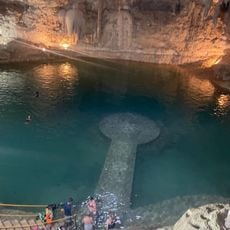
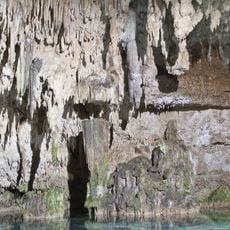
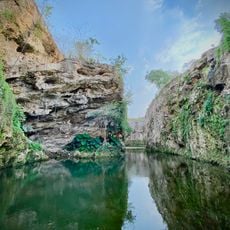
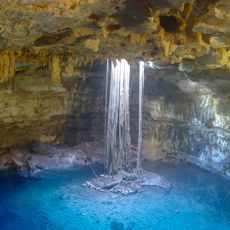
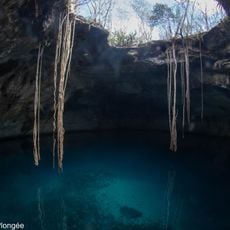
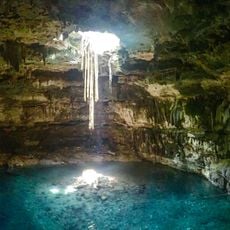
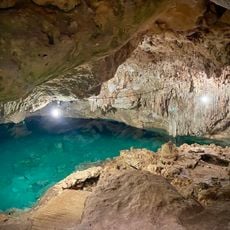
Balankanche is a limestone cave system near Chichén Itzá that extends through multiple chambers filled with natural rock formations and ancient ritual objects. The network connects different rooms featuring stone columns, underground pools, and carefully positioned Maya artifacts.
The cave was first documented in 1905, but the full network remained hidden until 1959 when a guide discovered additional passages containing Maya artifacts. This rediscovery allowed researchers to understand the extent of ceremonial use by the ancient population.
The name Balankanche means "seat of the balam" in Maya, balam being a priestly office, a reference to the rain-god ceremonies held here. The cave was used ritually from about 300 BC to AD 1200, with the most activity during the Late Classic and Postclassic, when nearby Chichén Itzá was at its height. Offerings of censers, vessels and metates were found at the base of the central column.
The cave lies 3 km northeast of the Chichén Itzá archaeological site, in the municipality of Tinum, Yucatán. The visit follows a T-shaped passage whose main axis runs north to south, descending to a gallery 28 m below the surface at the water table. The ground is damp and lighting is dim, so wear shoes with grip and watch your step on the stairs and walkways.
In Group 1, at the crossing of a T-shaped cave 28 m below the surface and at the water table, a stalactite and stalagmite have fused into a column resembling the trunk and branches of a ceiba, the Maya sacred tree. Offerings found at its base, including censers, vessels and metates, date from around 200–300 AD to the Post-Classic period.
The community of curious travelers
AroundUs brings together thousands of curated places, local tips, and hidden gems, enriched daily by 93,871 contributors worldwide.