Yaxuna, Archaeological site in Yaxcabá, Mexico.
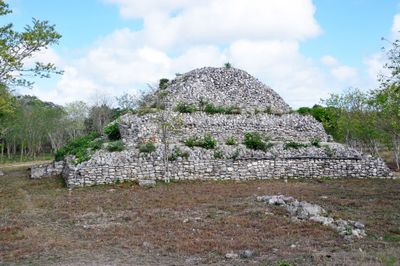
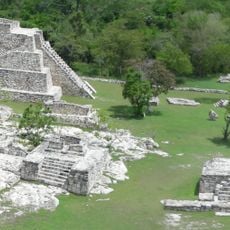
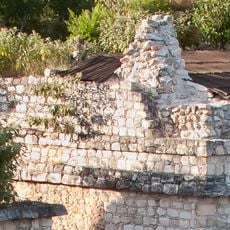
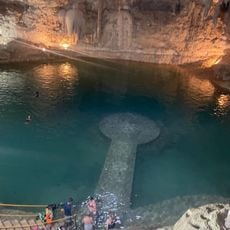
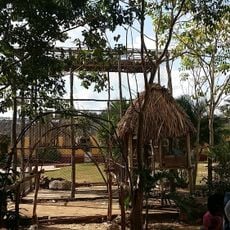
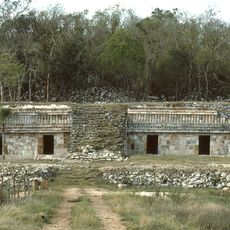
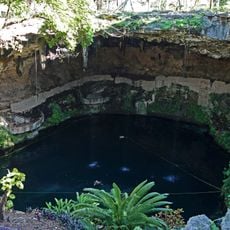
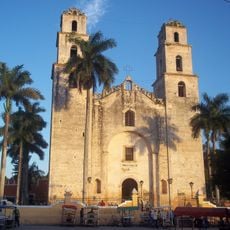
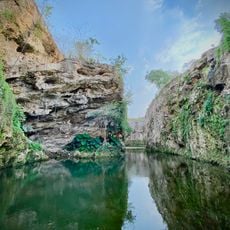
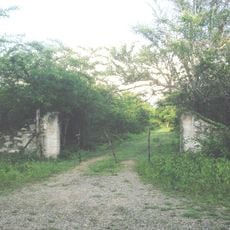
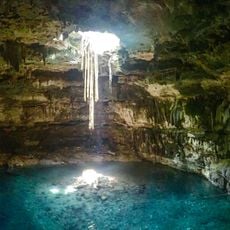
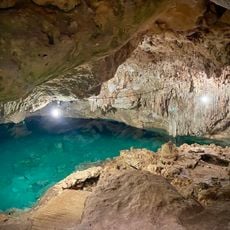
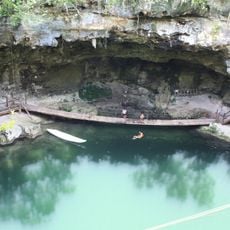
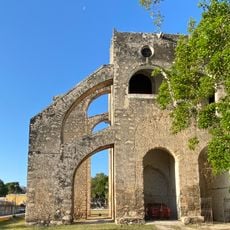
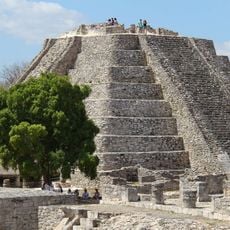
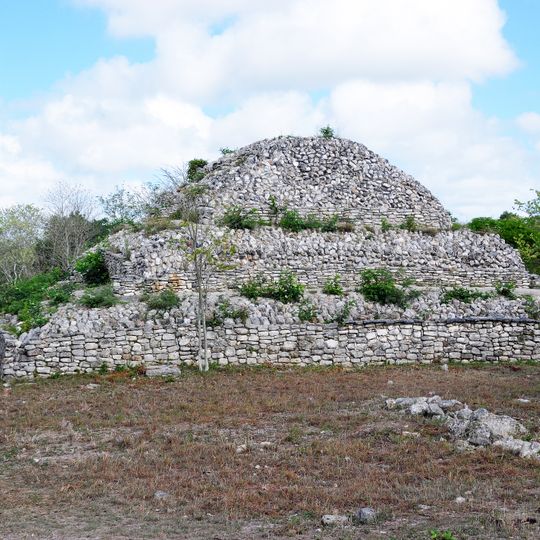
Yaxuná is an archaeological site in the Yucatán region with scattered structures built on limestone platforms, including pyramids, open plazas, and residential buildings. The remains spread across a large area and reveal the complexity of an ancient Maya settlement.
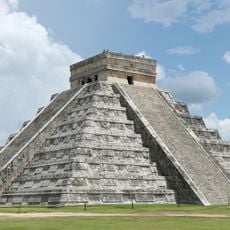
Yaxuná was occupied continuously from the Middle Formative through the Postclassic. In the Late Formative, triadic groups were linked by north-south roads; larger pyramids were remodeled in the Early Classic and held royal tombs. Around 600–800, Cobá conquered the city and built a 100 km sacbé, the longest the Maya ever built. In the Terminal Classic, Chichén Itzá conquered Yaxuná around 950, sacking and ritually destroying it.
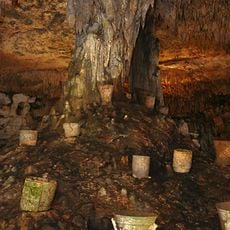
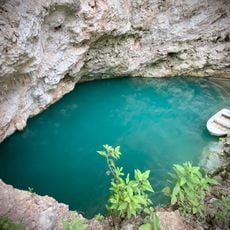
The name Yaxunah means "first house" or "turquoise-coloured house" in Maya. In the Terminal Classic, the Popol Nah, or House of the Council of War, was decorated in Puuc style; there Chichén Itzá's conquest was marked by a termination ritual, with offerings and human remains placed to block corridors and rooms. The modern village of just over 600 people still farms maize by slash-and-burn in the surrounding forest.
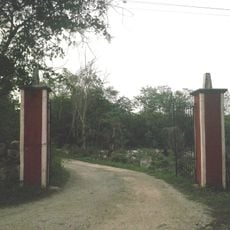
The site is accessible from the nearby town of Yaxcabá and sits about 30 kilometers from the main highway between Mérida and Cancún. Since the site is large and spread out, visitors should wear sturdy shoes and bring plenty of water, especially during warmer months.
A well-preserved stone road called a sacbé connects this site to the distant Cobá over more than 100 kilometers away. This road system demonstrates how important trade routes and long-distance communication were to the ancient Maya.
The community of curious travelers
AroundUs brings together thousands of curated places, local tips, and hidden gems, enriched daily by 94,059 contributors worldwide.