Coba, Archaeological site in Quintana Roo, Mexico
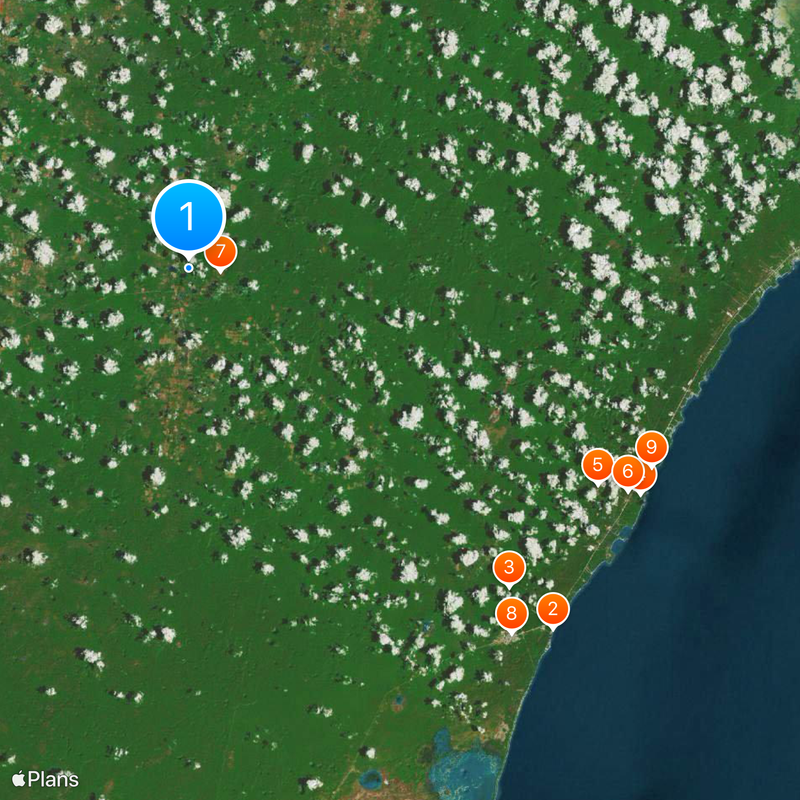
Coba is an archaeological site in Quintana Roo, Mexico, that encompasses several settlements spread across roughly 70 square kilometers. The structures are linked by a network of raised white limestone pathways called sacbes that run between the different areas.
The settlement began around 100 CE and grew into a major urban center with roughly 50,000 people by the ninth century. It later lost influence to Chichén Itzá, which became the dominant power in the region.
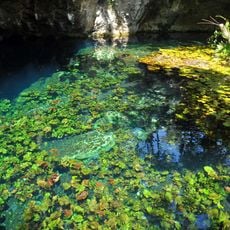
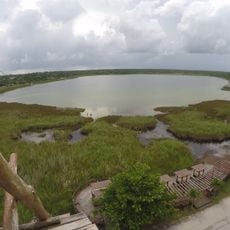
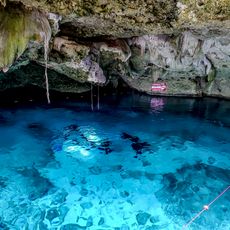
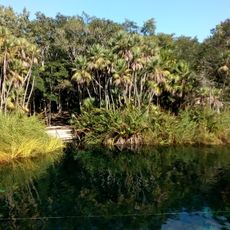
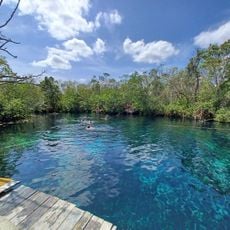
The name comes from Maya words meaning water stirred by wind, referring to the nearby lagoons. Throughout the area, stone tablets and monuments carry hieroglyphs that record the deeds and ancestry of ruling families, offering insight into the political structure of the society.
Bicycles can be rented at the entrance to explore the grounds, as distances between structures are considerable. Guided tours in several languages are available, and a visit typically takes between three and five hours.
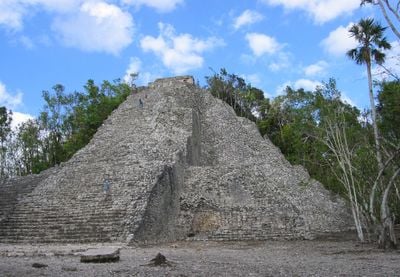
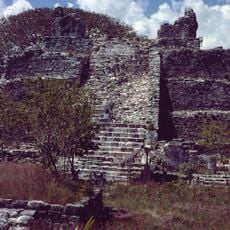
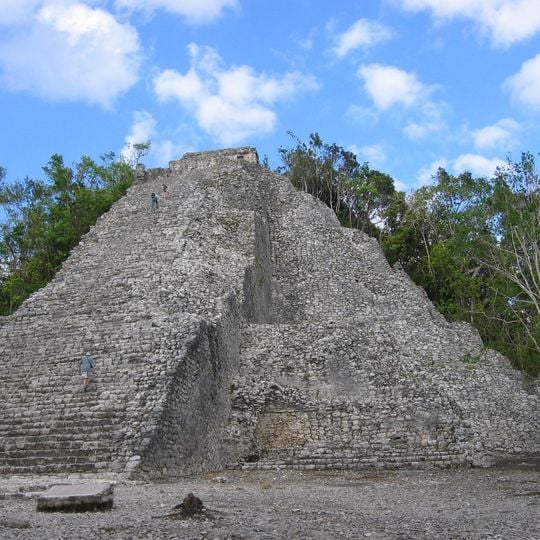
The Nohoch Mul pyramid stands 42 meters tall, making it the tallest structure in the northern Yucatán and requiring a climb of 120 steps. From the top, visitors overlook the dense forest and nearby lagoons that gave the settlement its name.
The community of curious travelers
AroundUs brings together thousands of curated places, local tips, and hidden gems, enriched daily by 60,000 contributors worldwide.