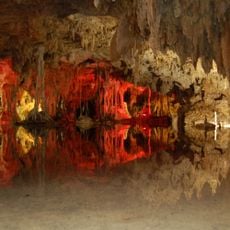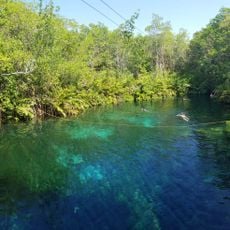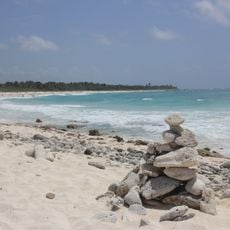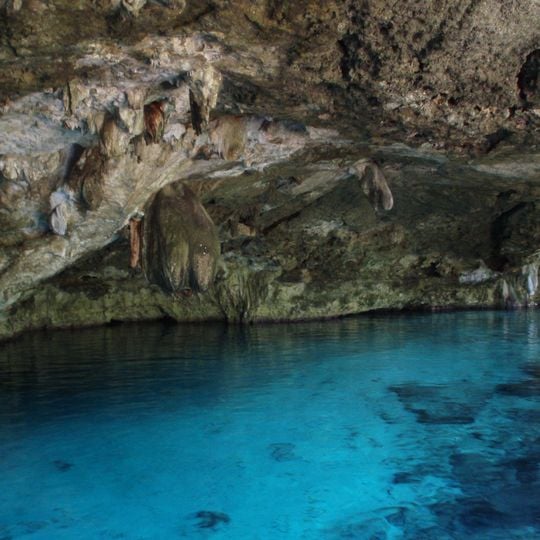
Sistema Dos Ojos, Cave system in Quintana Roo, Mexico.
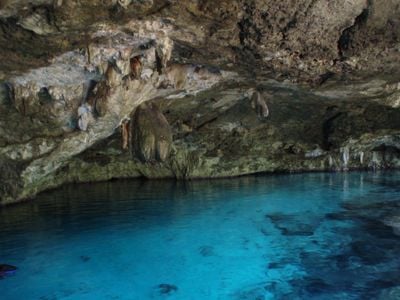
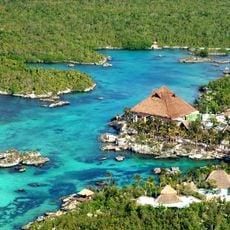
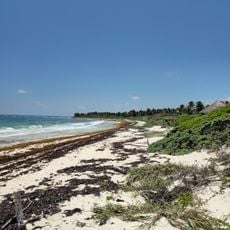
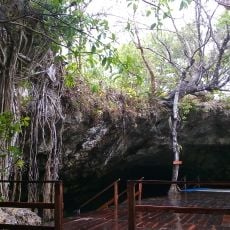
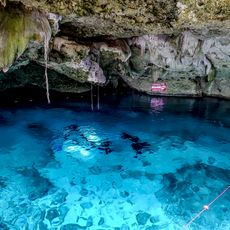
Sistema Dos Ojos is an underground cave system in Quintana Roo, Mexico, that stretches for 82 kilometers and has 28 cenotes as natural openings along the coast of the Yucatan Peninsula. The passages run through limestone formations with clear water that reveals stalactites, stalagmites, and partly submerged chambers.
Divers began exploring the caves in 1987 and discovered new connections to neighboring systems over the following decades. In January 2018, a direct link with Sistema Sac Actun was confirmed, greatly expanding the entire network.
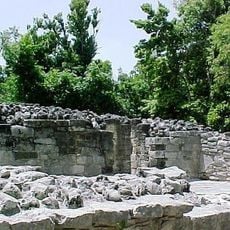
The name Dos Ojos, "Two Eyes", comes from two neighbouring cenotes that share one large cavern zone and look like two eyes into the ground; exploration of the system began through them. The cave holds Gomphotherium remains, burnt human bones, pottery left by people and wall paintings, found in the cave inventory rather than shown on dives.
Dives take place in small groups with no more than four participants per guide, and water temperature stays at 25 degrees Celsius (77 degrees Fahrenheit) throughout the year. Visitors should have experience in cavern diving or at least in confined-space diving, as some sections are narrow and dark.
In November 2010, freediver Carlos Coste swam 150 meters (490 ft) on one breath here, setting a Guinness record for the longest open-water swim on a single breath. The cave also appeared in the 2002 IMAX film Journey Into Amazing Caves and the 2006 BBC/Discovery series Planet Earth.
The community of curious travelers
AroundUs brings together thousands of curated places, local tips, and hidden gems, enriched daily by 94,774 contributors worldwide.