Xelha, Ancient Maya port in Quintana Roo, Mexico.
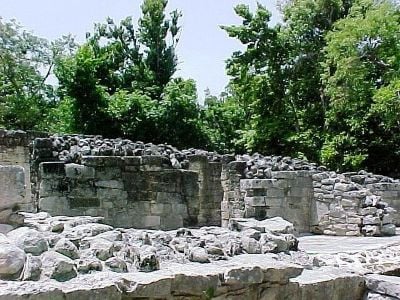
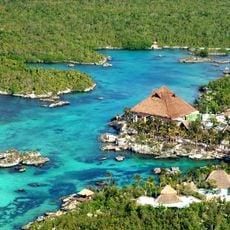
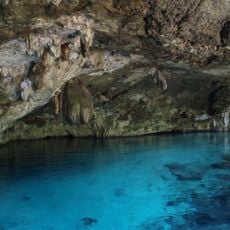
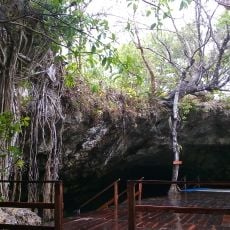
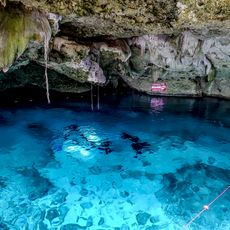
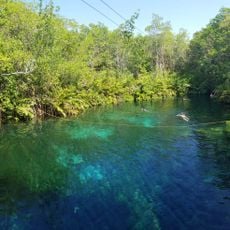
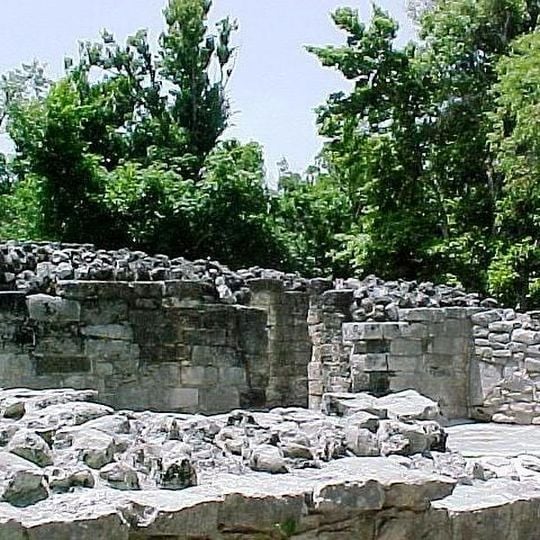
Xelha is an archaeological site on the eastern coast of the Yucatan Peninsula with stone buildings from various periods of Maya construction. The structures stand near a lagoon where natural freshwater springs emerge from the limestone.
Xelha was occupied by the 1st century AD and remained active through the Classic and Postclassic periods, with most buildings rebuilt in the Late Postclassic; it was probably not fully abandoned until the 19th century. A stela dated to AD 564 was found here in 1841 by Stephens and Catherwood. In 1527 Francisco de Montejo established Salamanca de Xelha, the first Spanish camp on the peninsula, abandoned within eighteen months.
The name comes from Yucatec Maya: xel ("spring") and ha' ("water"). The site was a walled ceremonial centre and maritime port of Cobá, with Tancah and Tulum as its other ports. In the Group of the Birds, the Casa de los Pájaros keeps mural paintings of regional birds, glyphs and a figure identified as Tláloc, showing central Mexican influence.
The site is located north of Tulum and open daily, with paths winding through vegetation where shade is limited. Bring water, wear comfortable shoes, and arrive early to avoid intense midday heat.
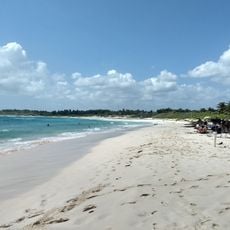
The stela found here in 1841 by John Lloyd Stephens and Frederick Catherwood carries an Early Classic date of 9.6.10.0.0, or AD 564. The site's name combines the Yucatec Maya words xel (spring) and ha' (water). The lagoon and inlet now form the Xel-Ha Park water theme park.
The community of curious travelers
AroundUs brings together thousands of curated places, local tips, and hidden gems, enriched daily by 94,020 contributors worldwide.