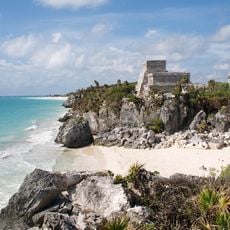
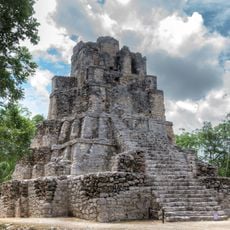
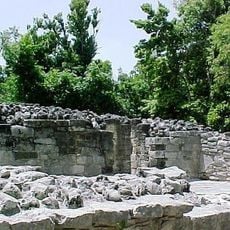
Cavernes de Tulum, Ancient cave system in Tulum Municipality, Mexico.
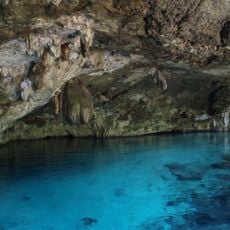
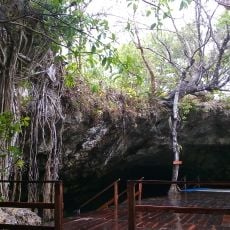
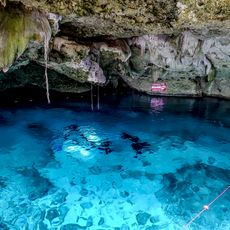
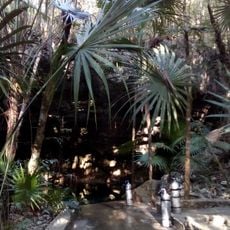
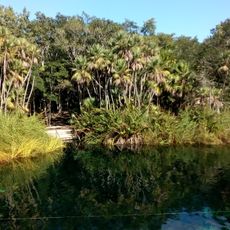
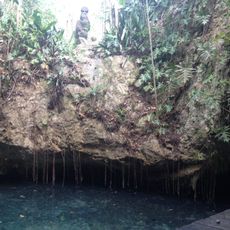
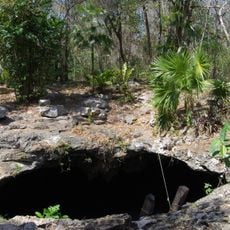
Cavernas de Tulum is a limestone cave network throughout the Tulum region featuring interconnected chambers and passages. The underground passages contain fresh water at steady temperatures year-round.
The cave system was inhabited by early humans in ancient times, as shown by archaeological discoveries of four skeletons from the Late Pleistocene period. These findings, including the Naharon woman dated to around 14,500 years ago, reveal how far back human presence extended in this region.
The four skeletons are nicknamed tulumnesi after Tulum. The oldest, the Mujer de Naharon, was found 368 m from the cave entrance at 22.6 m depth and is dated to 14,500 years before present; physical studies published in 2008 concluded the remains show no affiliation with Maya groups but with populations of southern India.
The caves are submerged archaeological sites studied by a team led by archaeologist Carmen Rojas Sandoval and biologist Arturo González; they are not open to visitors, so there are no tours or diving access. The remains lie in flooded passages, such as the Naharón cave, 368 m from the entrance and 22.6 m deep. Access is limited to research and speleological diving by specialists.
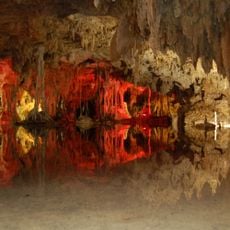
The caves hold mineral formations including stalactites and stalagmites that developed over many thousands of years and mark ancient water levels. These visible structures tell the geological story of how the caves changed shape over deep time.
The community of curious travelers
AroundUs brings together thousands of curated places, local tips, and hidden gems, enriched daily by 94,758 contributors worldwide.