Culuba, Archaeological site in northeast Yucatán, Mexico.
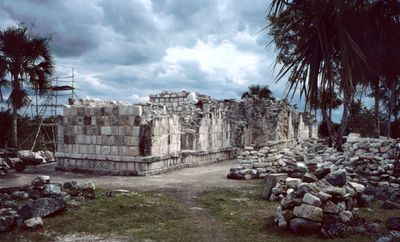
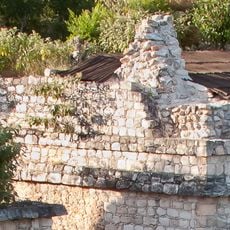
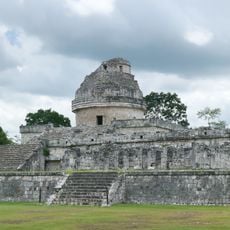
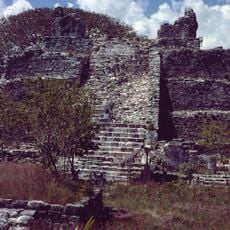
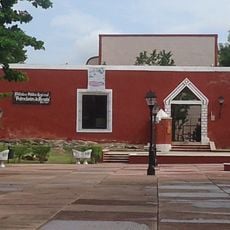
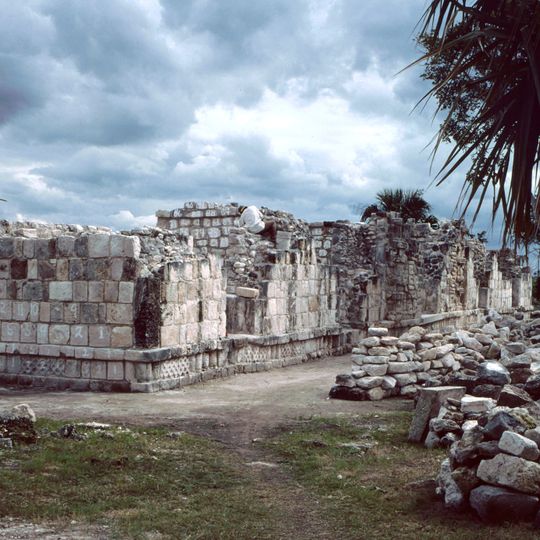
Culuba is an archaeological site in northeast Yucatan with three main groups of stone structures and stucco decoration. The central palace structure contains multiple rooms with arched ceilings and spans across the plaza area.
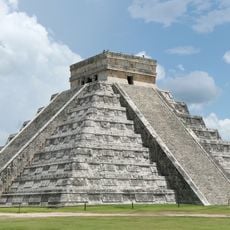
The site was active between the 7th and 11th centuries and shows features of both Uxmal and Chichen Itza. The architecture reflects exchange between different groups that inhabited the region during this period.
The structures display Puuc-style elements with masks of the rain god Chaac and elaborate stone patterns still visible on the walls. These decorations suggest how important water and agricultural harvests were to the people who lived here.
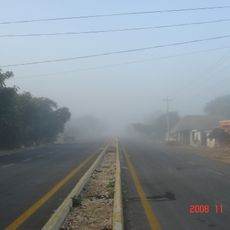
Access is via an unpaved road, and a local guide is strongly recommended for safe exploration of the grounds. Visitors should prepare for uneven terrain and tropical weather conditions.
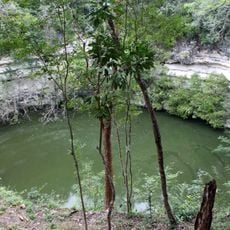
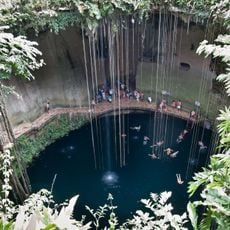
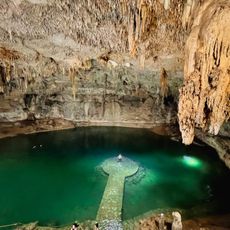
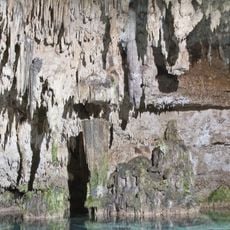
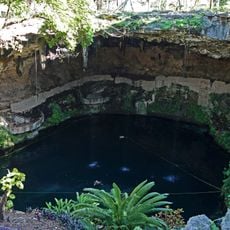
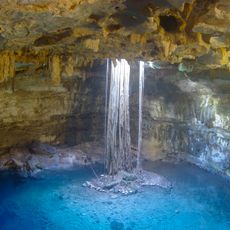
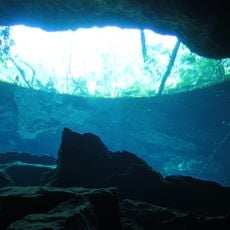
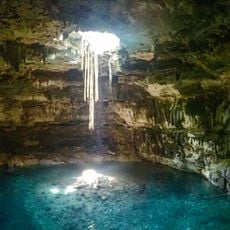
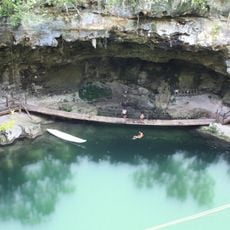
The complex was built around natural sinkholes that provided water for cacao cultivation. These water sources were crucial to how the settlement grew and sustained itself in this otherwise dry region.
The community of curious travelers
AroundUs brings together thousands of curated places, local tips, and hidden gems, enriched daily by 90,838 contributors worldwide.