Inks Lake State Park, State park in Burnet County, Texas.
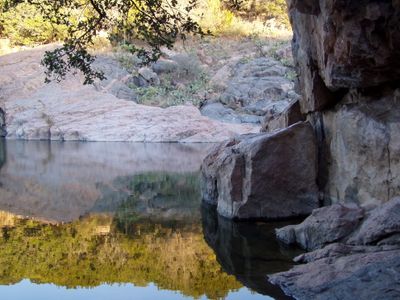
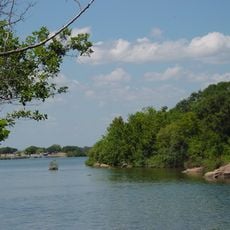
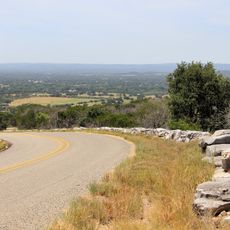
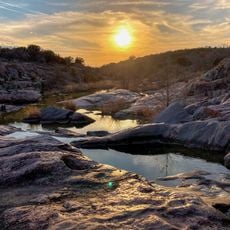
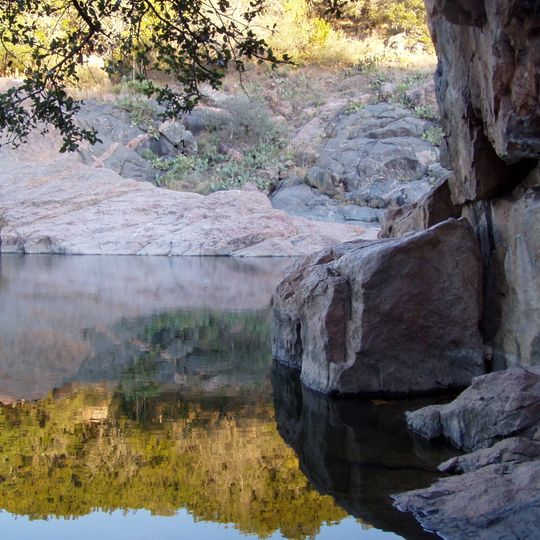
Inks Lake State Park covers 1,201 acres (486 ha) in Burnet County, Texas, beside Inks Lake on the Colorado River. Its hills carry forest and cleared land of gneiss rock, with pale granite boulders and ledges forming the shoreline and projecting into the still water. The park is named for the Inks Lake Gneiss, a granitic gneiss dated at 1,232 million years old.
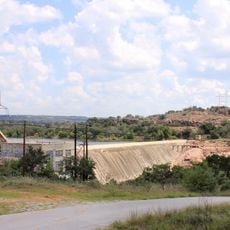
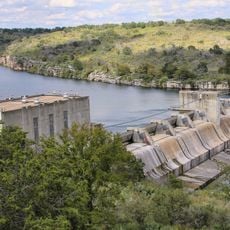
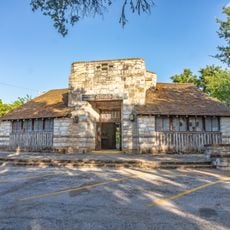
Inks Lake State Park opened in 1950, managed by the Texas Parks and Wildlife Department. Initial development began in the 1930s under the Civilian Conservation Corps; although the full plans were never carried out, a boathouse and a road system with dozens of stone culverts were built. The park lies beside Inks Lake on the Colorado River in Burnet County.
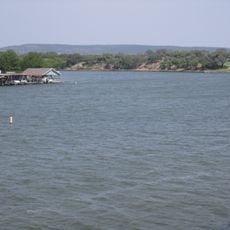
The park's name comes from Inks Lake, the reservoir on the Colorado River beside which it sits. The Civilian Conservation Corps crews of the 1930s left a boathouse and a road system with dozens of stone culverts, built from local rock. A bird hide lets visitors watch turkey vultures, great blue herons and scissor-tailed flycatchers.
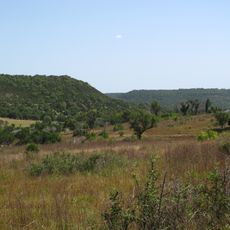
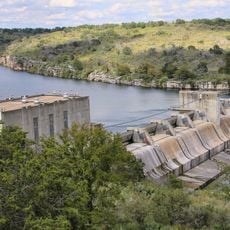
Inks Lake State Park lies in Burnet County beside Inks Lake on the Colorado River, about 10.5 km southwest of Kingsland. Trails cross hills of gneiss and cleared land, and a bird hide is available for watching herons, egrets and vultures. Swimming and diving at Devil's Waterhole are unguarded, and the lake level moves about a foot each year.
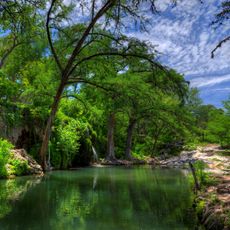
Devil's Waterhole is a small extension of Inks Lake, almost completely ringed by rock, and it is where the park's gneiss shows pink through the limestone. Swimming and diving are allowed there, but no lifeguards are present.
The community of curious travelers
AroundUs brings together thousands of curated places, local tips, and hidden gems, enriched daily by 92,819 contributors worldwide.