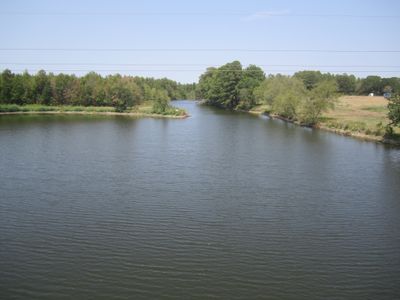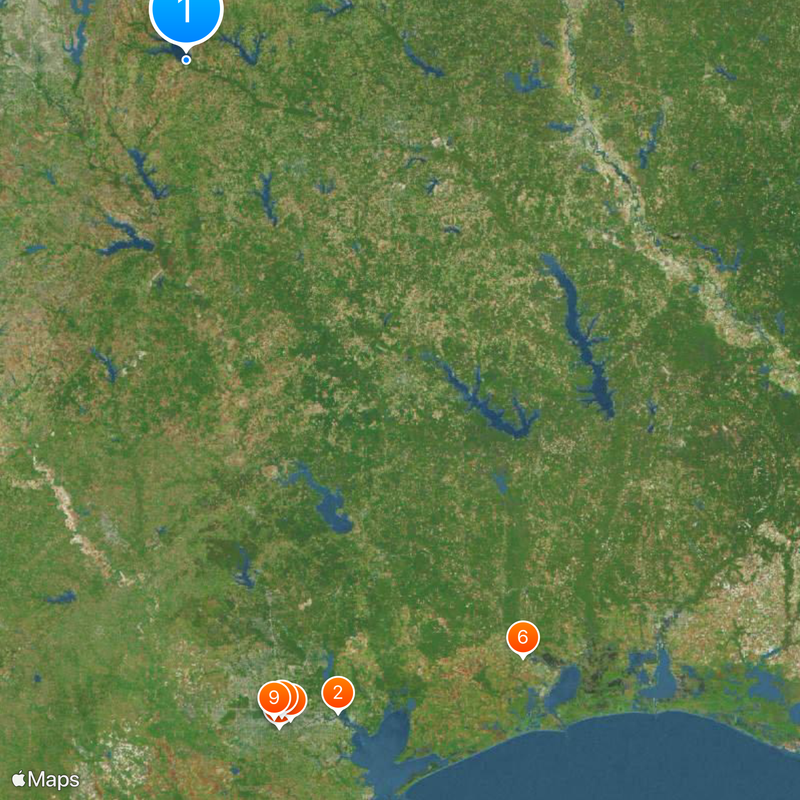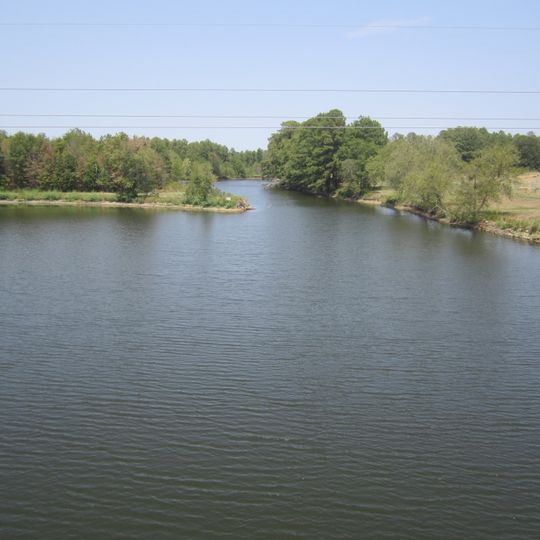
Sabine River, Border river between Texas and Louisiana, United States
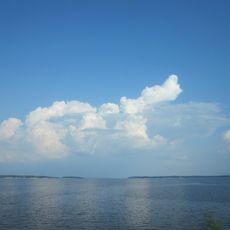
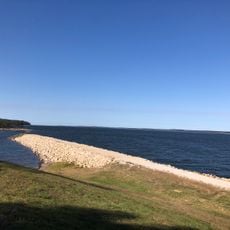
The Sabine River is a waterway that flows roughly 580 miles through northeastern Texas and Louisiana, marking the boundary between the two states before reaching the Gulf of Mexico. Along its course, the river creates reservoirs and lakes that shape the landscape.
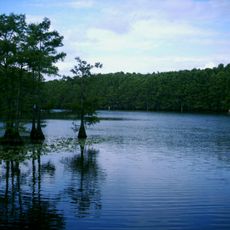
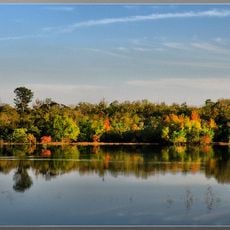
Spanish explorers called the river 'Rio de Sabinas' after the cypress trees growing along its banks. Throughout the centuries, it served as a boundary line between different colonial powers and nations, shaping how territory was divided in the region.
The Caddo people made their homes along these banks for thousands of years, relying on the water and land around them. You can see how the river remains central to local communities today, shaping how people live and work in the region.
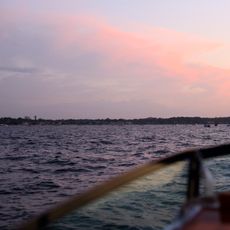
The river is used for boating, fishing, and water management throughout the region. Water levels and conditions change with the seasons, so visitors should be prepared for varying water quality and accessibility depending on the time of year.
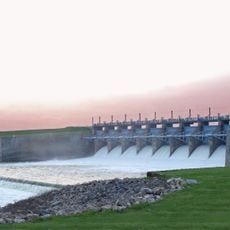
The Toledo Bend Reservoir, created in 1969, is one of the largest man-made lakes in the southern region. This massive dam project transformed the landscape and opened up new opportunities for recreation and fishing along what had once been the natural river channel.
The community of curious travelers
AroundUs brings together thousands of curated places, local tips, and hidden gems, enriched daily by 60,000 contributors worldwide.