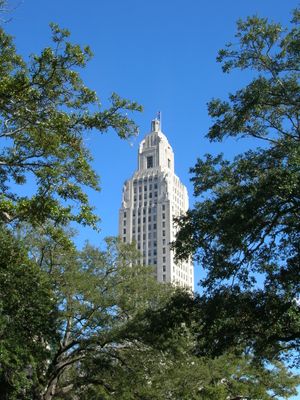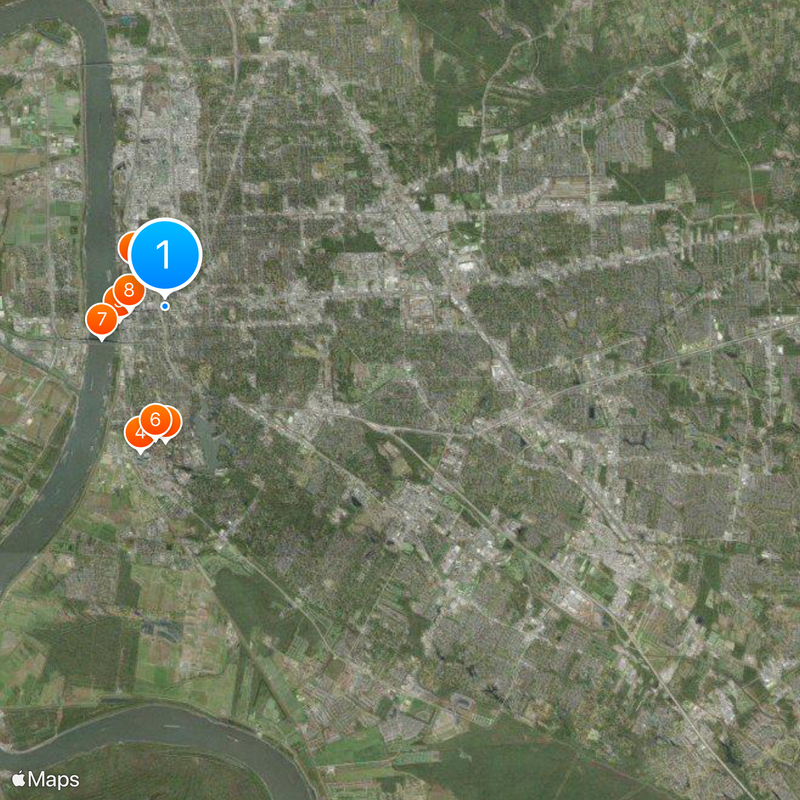
Baton Rouge, Capital city in Louisiana, United States
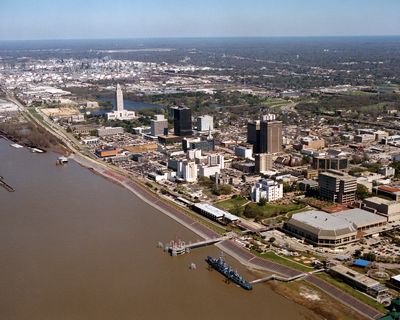
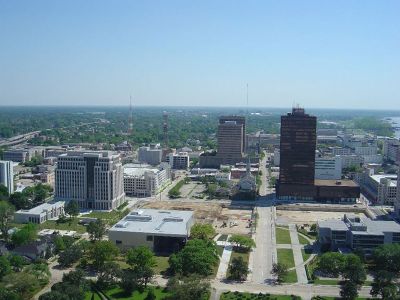
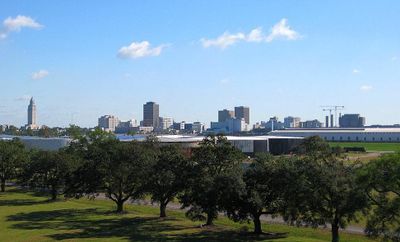
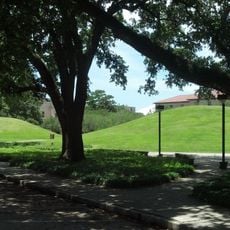
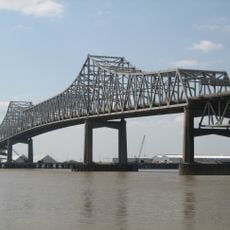
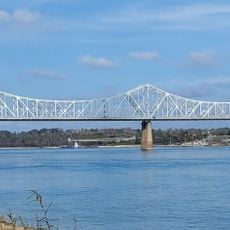
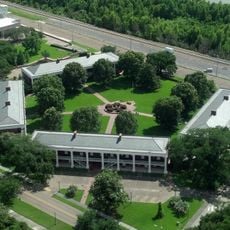
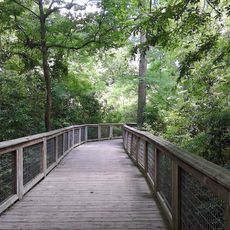
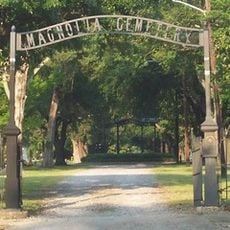
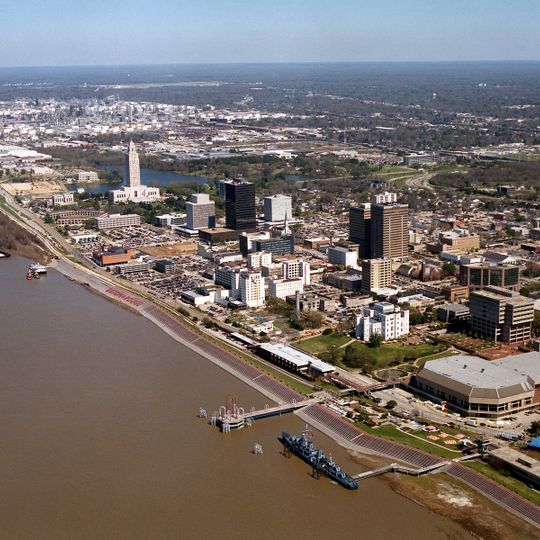
Baton Rouge sits on the eastern bank of the Mississippi at an elevation of 17 meters (56 feet), forming the second-largest metropolitan area in Louisiana. The city spreads across gentle hills and flat plains, with industrial facilities lining the riverfront and residential neighborhoods featuring shaded oak trees and public parks farther inland.
A French explorer established a trading post here in 1699, naming it after a red pole that local tribes used as a boundary marker. The settlement changed hands between French, British and Spanish control before becoming part of the United States in the early 1800s.
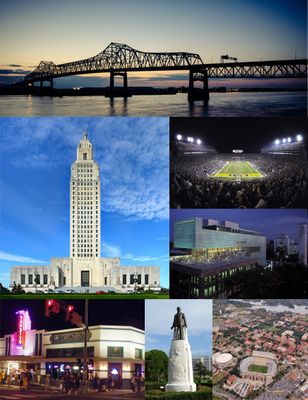
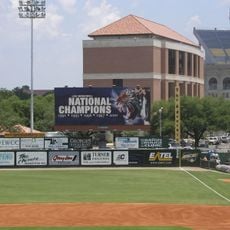
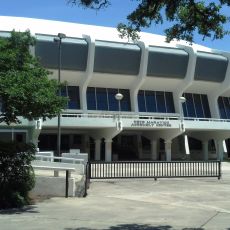
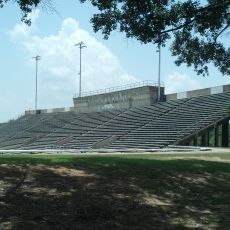
Neighborhood festivals bring residents together for live jazz and zydeco music on warm evenings, while restaurants serve gumbo and étouffée alongside fried catfish. Families gather at riverside parks on Sunday afternoons, and college football games fill stadiums with cheering crowds every fall weekend.
The airport sits about 15 kilometers (9 miles) north of downtown, while highways connect the city to New Orleans to the southeast and Lafayette to the west. Summer months bring frequent afternoon thunderstorms and high humidity, making light clothing and umbrellas useful for visitors.
The city operates under a consolidated government where an elected mayor also serves as parish president, merging two layers of administration into one office. Refineries and petrochemical plants line the riverbank, operating around the clock and lighting up the night sky with yellow and orange glows.
The community of curious travelers
AroundUs brings together thousands of curated places, local tips, and hidden gems, enriched daily by 92,632 contributors worldwide.