Black Warrior Basin, Sedimentary basin in western Alabama, United States.
The Black Warrior Basin is a sedimentary basin in western Alabama containing geological layers from ancient periods. These layers consist of sandstones, limestone, dolomite, and chert formations distributed across Alabama and Mississippi.
The basin formed during the Ouachita Orogeny in the Pennsylvanian and Permian periods when shallow inland seas covered the region. Sediment accumulated in layers over time, eventually creating the rock formations visible in the landscape today.
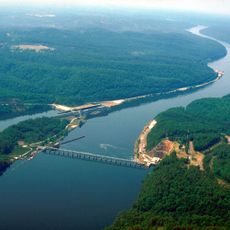
The basin takes its name from the Black Warrior River, reflecting its deep connection to the regional landscape. This geographical link shows how local waterways have shaped the identity of Alabama's geology.
The area is significant for geological study and energy extraction activities. Visitors should expect that much of the region is industrial in nature, with access varying depending on mining and drilling operations.
This basin pioneered coalbed methane extraction earlier than any other location in North America, setting an example for energy development elsewhere. The region became a testing ground for techniques that would later spread to other energy-producing areas.
The community of curious travelers
AroundUs brings together thousands of curated places, local tips, and hidden gems, enriched daily by 60,000 contributors worldwide.