Lignumvitae Key Botanical State Park, Botanical state park in Monroe County, Florida Keys, United States
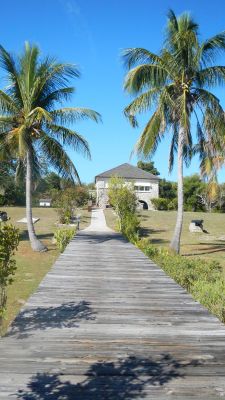
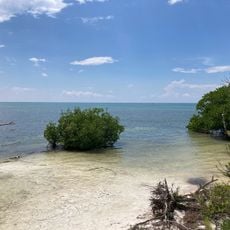
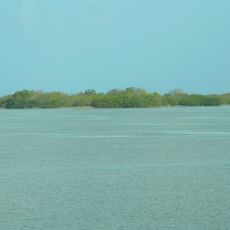
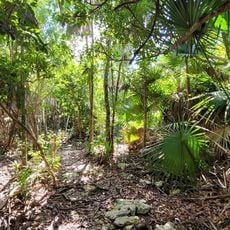
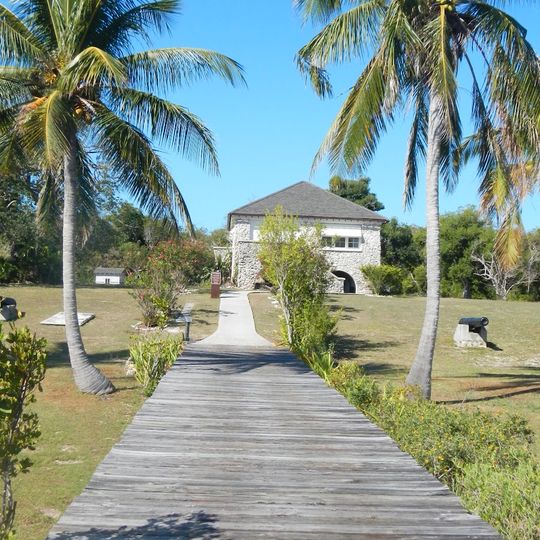
Lignumvitae Key is a 287-acre island in the Florida Keys, one mile west of the Overseas Highway at mile marker 78.5. Its tropical hardwood hammock holds about 60 tree and shrub species, including holywood lignum-vitae (Guaiacum sanctum), false mastic, poisonwood and gumbo-limbo. A small 1919 house with a windmill and cistern, now the visitor center, stands in a clearing.
William Matheson, a Miami chemist, purchased the island in 1919 and built a residence with a windmill and rainwater collection system. The property reflects early 20th century settlement methods in this remote island location.
The island's name comes from the holywood lignum-vitae (Guaiacum sanctum) growing in its hardwood hammock, one of about 60 tree and shrub species of Caribbean origin. Spanish-era charts called it Cayo de la Leña, and under British rule it was Jenkinson Key. Thirty-five butterfly species have been recorded, 22 of them breeding on the island.
The island lies one mile west of U.S. 1 at mile marker 78.5 and is reached only by private boat or tour boat; the Matheson House on the key serves as the park's visitor center, not a departure point. Guided hour-long walks run Friday to Sunday at 10 a.m. and 2 p.m. from December through April, and the park is closed Tuesdays and Wednesdays. No more than 50 people are allowed on the key at once, and visitors are advised to bring shoes and mosquito repellent.
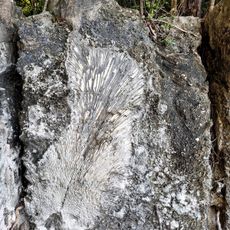
The island developed from an ancient coral reef where organic materials accumulated in pockets to create soil for diverse plant species. This geological foundation created conditions for the complex ecosystem that thrives there today.
The community of curious travelers
AroundUs brings together thousands of curated places, local tips, and hidden gems, enriched daily by 93,795 contributors worldwide.