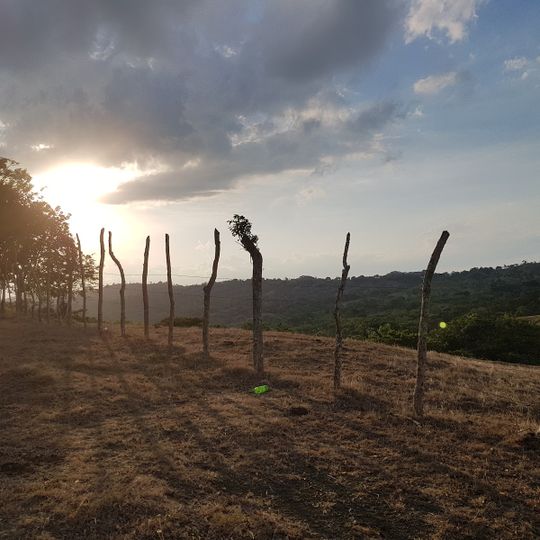
Fort Santo Tomás, Spanish colonial fort in Santiago, Dominican Republic
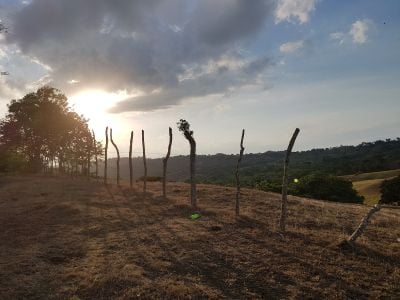
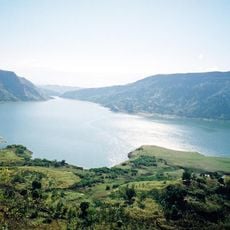
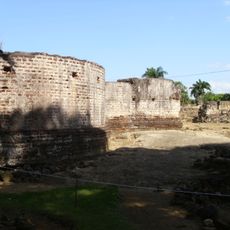
Fort Santo Tomás, also called Fortaleza de Santo Tomás de Jánico, was a wooden stronghold built in 1494 on a rise above the Jánico, Dicayagua and Aciba rivers in the Cibao region. Its archaeological remains were identified in the 1950s by Emile Boyrie Moya of the Instituto Dominicano de Investigaciones Antropológicas. The fort had a brief occupation and was abandoned.
The fort was built in March 1494 during Columbus's second voyage and became the second Spanish fortification on Hispaniola. It served as a crucial base for establishing Spanish control over the newly claimed island territories.
The name references Saint Thomas and reflects the religious meaning Spanish settlers gave to their colonial mission. The fort's location in the highlands made it a symbolic outpost where two very different societies first encountered each other.
The site sits on a mountain plateau accessible from Santiago via local routes, so sturdy footwear is essential due to uneven terrain. Since only ruins remain, good physical fitness and care when walking around the stone foundations are necessary.
The fort's remains were identified in the 1950s by archaeologist Emile Boyrie Moya of the Instituto Dominicano de Investigaciones Antropológicas (INDIA). Built of wood on a rise above the Jánico, Dicayagua and Aciba rivers, it had only a brief occupation before being abandoned.
The community of curious travelers
AroundUs brings together thousands of curated places, local tips, and hidden gems, enriched daily by 94,314 contributors worldwide.