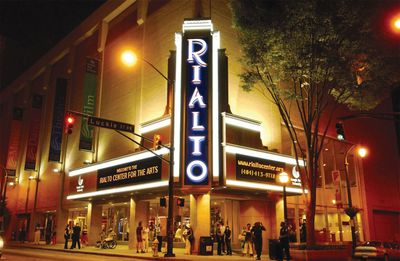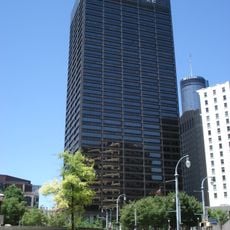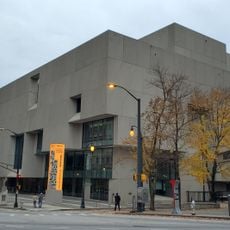
Rialto Center for the Arts, Performing arts center in downtown Atlanta, United States.
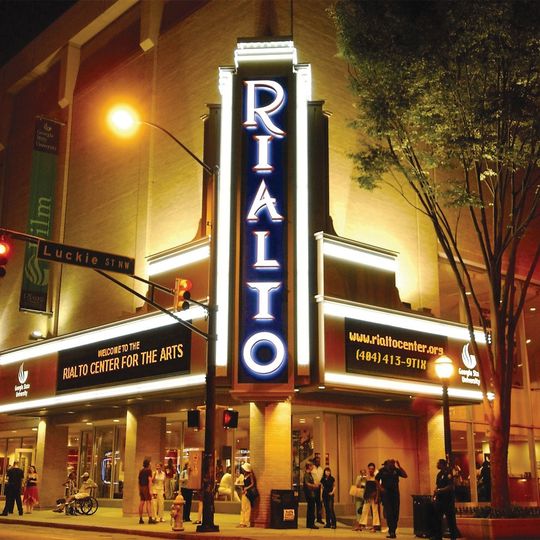
Rialto Center for the Arts is a performing arts venue in downtown Atlanta, Georgia, with an auditorium that seats around 800 people. The space is set up for concerts, dance, and theater, with professional sound and lighting systems throughout.
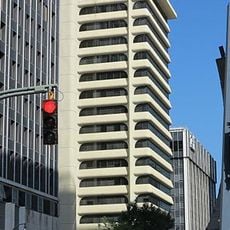
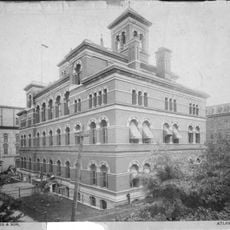
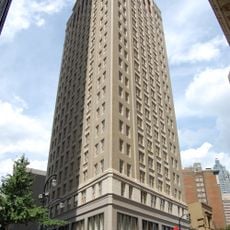
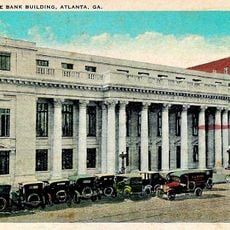
A 925-seat movie house called the Rialto opened in autumn 1916 and operated through the Depression, once carrying what it claimed was the largest electric sign south of New York City. That building was torn down in 1962 and replaced on the same site by a 1,200-seat Rialto, downtown Atlanta's first new cinema in 35 years, which closed in 1989. After a $14 million campaign led by GSU President Carl V. Patton and alumnus A.W. "Bill" Dahlberg, the old theater and the nearby Haas-Howell and Standard Buildings were demolished and rebuilt in autumn 1994; the 833-seat Rialto Center for the Arts reopened in March 1996.
The name Rialto means an exchange or marketplace, and the venue carries that idea into its programming: the Rialto Series brings international jazz, world music and dance to an 833-seat hall. The National Black Arts Festival, True Colors Theatre Company, Youth Ensemble of Atlanta and Moving in the Spirit also perform here, and the lobby and mezzanine host free visual arts exhibitions tied to events such as the Atlanta Film Festival and Atlanta Celebrates Photography.
The center sits in downtown Atlanta and is easy to reach by public transit, with parking options close by. The building is fully accessible for visitors with mobility needs.
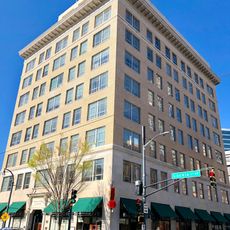
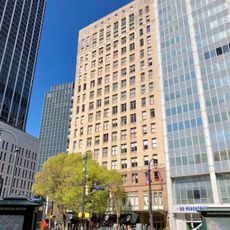
The 1916 theater was demolished in 1962, and the 1960s Rialto was itself torn down in 1994, so no fabric of the original movie house remains. The roof was raised 12 feet to improve acoustics, and the eight-floor Haas-Howell Building next door holds the backstage areas, the Dahlberg Room green room and the offices.
The community of curious travelers
AroundUs brings together thousands of curated places, local tips, and hidden gems, enriched daily by 93,374 contributors worldwide.