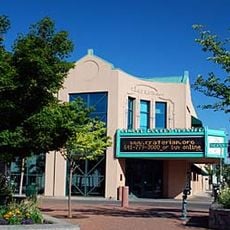
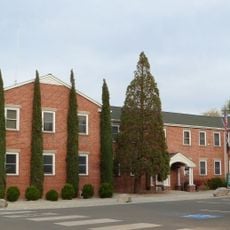
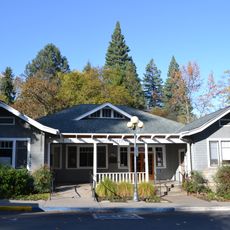
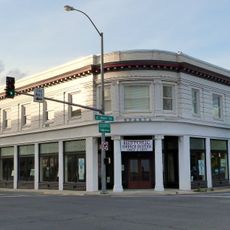
Jacksonville Historic District, Historic district in Jacksonville, Oregon, United States.
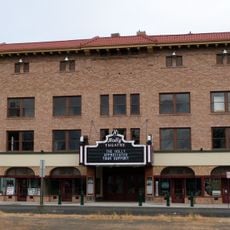
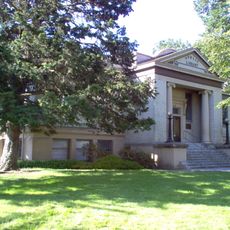
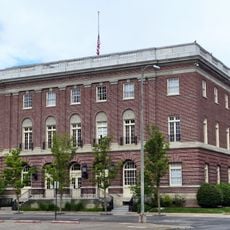
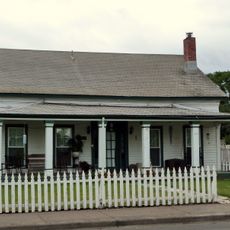
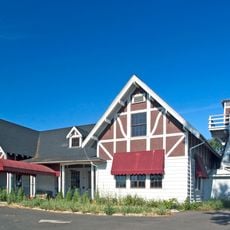
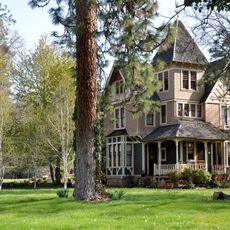
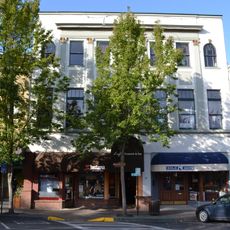
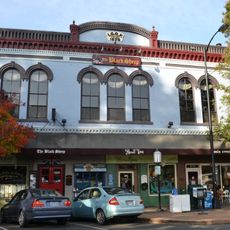
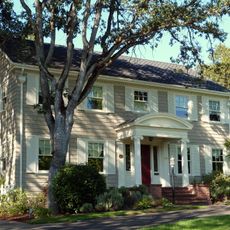
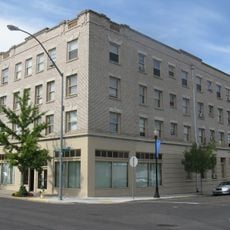
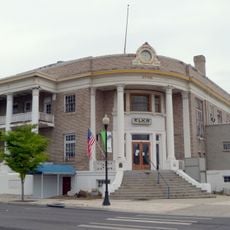
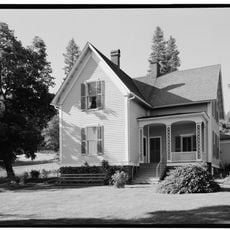
Jacksonville Historic District covers the core of Jacksonville, Oregon, centred on the commercial blocks of East California Street and extending mainly north into the adjoining residential streets. The buildings are limited to styles popular in the region between the 1850s and 1880s: Greek Revival, Italianate and Gothic Revival. The 1856 Beekman Bank keeps its original bank fixtures, and the district also holds the town's first cemetery, laid out in 1860.
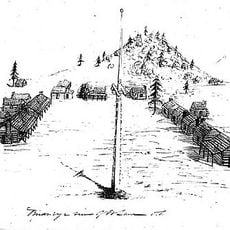
Jacksonville was founded in 1852 after gold was found in the nearby hills, and it became the seat of Jackson County in 1853. It served as the financial and commercial centre of southwestern Oregon's mining country until the 1870s, when a fire destroyed much of the town in 1873. The railroad bypassed the city, and the county seat moved to Medford in 1927, ending its regional role.
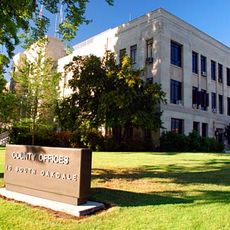
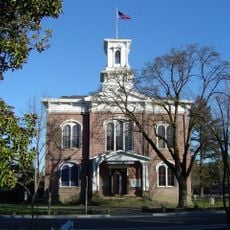
The name Jacksonville honours Andrew Jackson, and the town's grid still follows the 1852 mining camp layout. The former county courthouse, now run by the local historical society, displays the town's history, while the 1860 cemetery on the district's edge holds the graves of early miners and merchants.
The district is easy to explore on foot since the main buildings are clustered within a walkable area. The local museum in the former courthouse provides context about the buildings and their histories.
The Beekman Bank building from 1856 retains its original interior fixtures and arrangement, showing how a 19th-century financial institution actually operated. This preserved workspace offers a rare view of how clerks and managers worked in the banking offices of that era.
The community of curious travelers
AroundUs brings together thousands of curated places, local tips, and hidden gems, enriched daily by 92,784 contributors worldwide.