Cascade–Siskiyou National Monument, National Monument at Oregon-California border, United States.
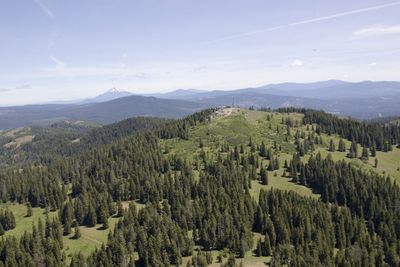
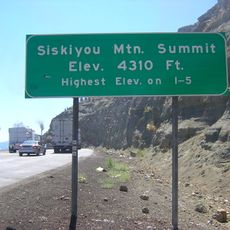
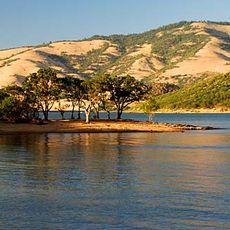
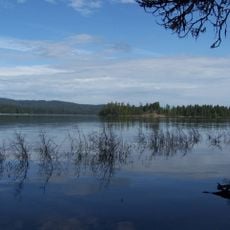
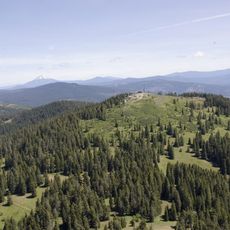
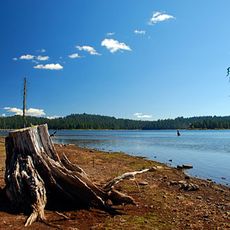
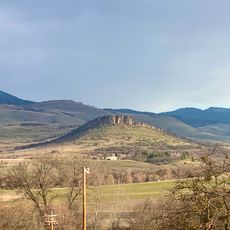
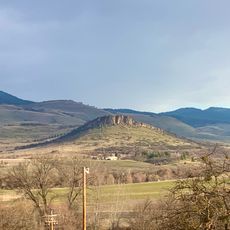
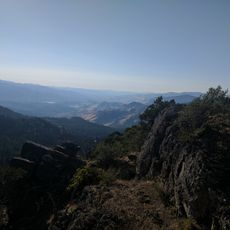
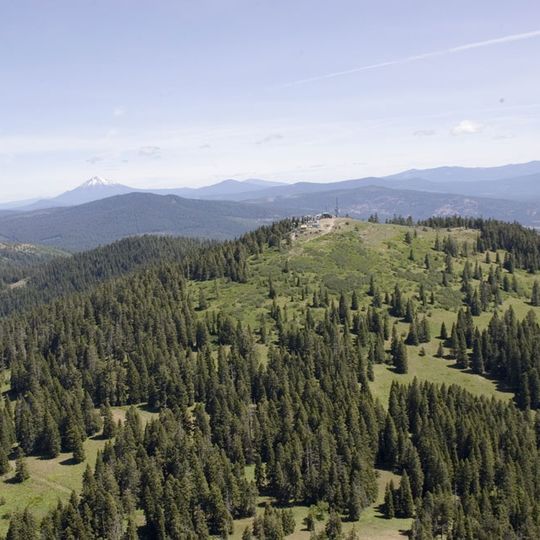
Cascade–Siskiyou National Monument protects 114,000 acres (46,134 ha) where the Cascade Range meets the Siskiyou Mountains. Its elevations range from about 1,000 to 6,000 feet, supporting conifer forests, oak woodlands, grasslands, and meadows. Pilot Rock, a volcanic neck of basalt left after erosion, rises above the ridge, and the Pacific Crest Trail crosses the monument.
President Bill Clinton established the monument by proclamation on June 9, 2000, protecting 114,000 acres at the junction of the Cascade Range and Siskiyou Mountains. President Barack Obama expanded it by 48,000 acres on January 12, 2017, including 5,000 acres in California. In 2023 the 9th and DC Circuit Courts of Appeals upheld the expansion, and the Supreme Court declined the case in 2024.
The region holds traces of several Native American peoples. Remains of settlements and gathering places reveal the deep connection the Modoc, Klamath, and Shasta maintained with this land for generations.
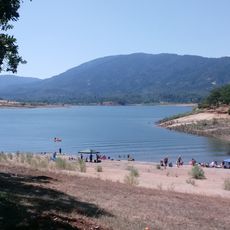
The monument offers marked trails for hiking, wildlife observation, hunting, and fishing across different elevations. Visitors should prepare for varying terrain and weather conditions when planning their visit.
The monument was the first in the United States set aside solely to preserve biodiversity. Two hundred bird species are documented there, among them the great grey owl, spotted owl, pygmy nuthatch and peregrine falcon, alongside amphibians such as the rough-skinned newt. Its slopes also hold Green's mariposa lily and the endangered Gentner's fritillary.
The community of curious travelers
AroundUs brings together thousands of curated places, local tips, and hidden gems, enriched daily by 94,431 contributors worldwide.