Port Townsend Historic District, National Historic Landmark District in Port Townsend, Washington, United States
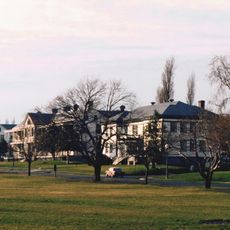
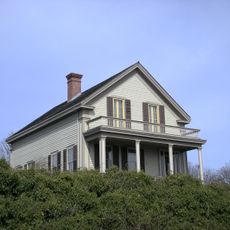
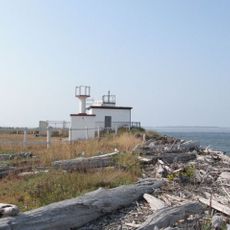
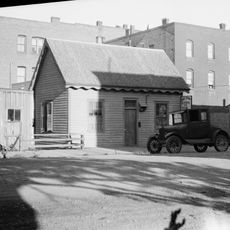
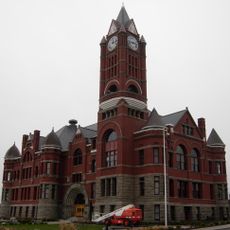
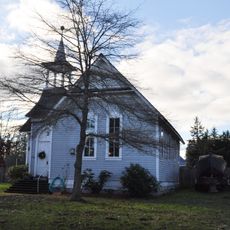
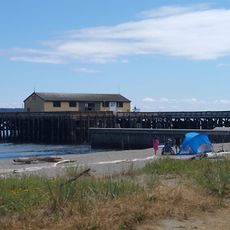
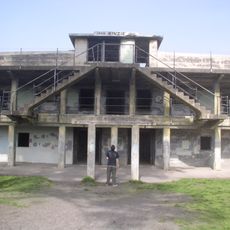
Port Townsend Historic District is an area containing over 700 residential buildings and 60 commercial structures from the late 19th century, spread across the waterfront and downtown zones. The buildings represent a wide range of architectural styles from that period, each with its own character and construction details.
Port Townsend developed from about 1850 as a deep-harbor customs and lumber port at the junction of the Strait of Juan de Fuca and Admiralty Inlet. A building boom began in the late 1880s when local businessmen pursued a rail link to Portland, Oregon; the population rose from under 1,000 in 1880 to about 4,500 in 1890. The railroad was bankrupted in 1890, ending the boom and leaving most Victorian buildings unaltered.
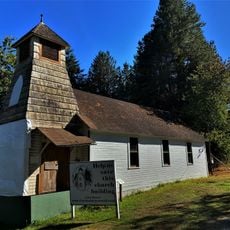
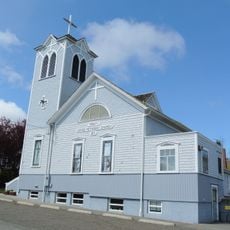
The district's name comes from Port Townsend's brief spell as a customs port and lumber-shipping town at the junction of the Strait of Juan de Fuca and Admiralty Inlet. Three buildings are separately listed on the National Register: the Capt. Enoch S. Fowler House, the Rothschild House and St. Paul's Episcopal Church. The German source also records the Haller Fountain and the Rose Theatre among the district's structures.
The district covers about 200 acres on the southeast side of downtown, bounded roughly by Blaine Street to the northwest and Scott and Walker Streets to the southwest. Its 700 residences and 60 commercial and civic buildings sit on sloping streets above the waterfront, so expect climbs between the water and the upper blocks.
The failed railroad plan became a blessing in disguise: economic stagnation prevented buildings from being demolished and rebuilt. Visitors today can experience an almost complete collection of Victorian-era houses that have disappeared from most other cities.
The community of curious travelers
AroundUs brings together thousands of curated places, local tips, and hidden gems, enriched daily by 93,773 contributors worldwide.