McAbee Fossil Beds, Paleontological heritage site in Thompson-Nicola, Canada
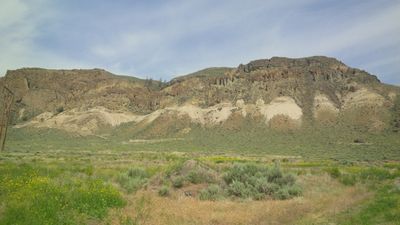
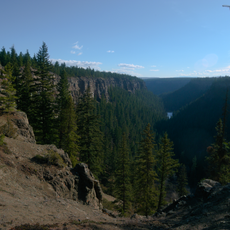
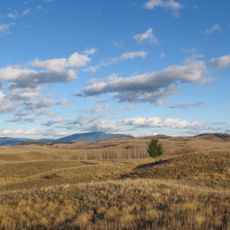
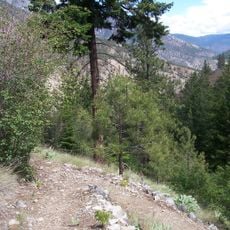
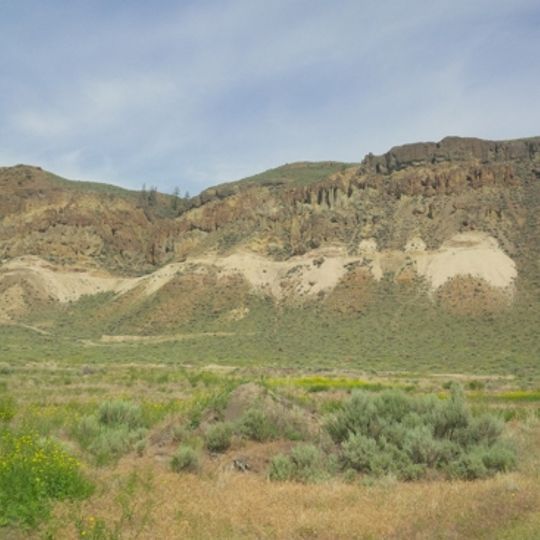
McAbee Fossil Beds is a designated provincial heritage and paleontological site in the Thompson-Nicola Regional District of British Columbia, Canada. The site consists of exposed rock outcrops with fine-grained sediment layers that have locked in fossil remains of plants, insects, and fish over millions of years.
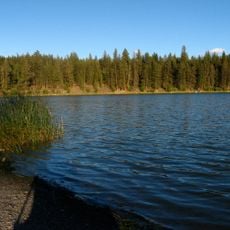
Around 52 million years ago, a shallow lake sat where the site is today, and its still waters allowed fine sediments to slowly bury organic material in extraordinary condition. The area was formally protected as a provincial heritage site in the late 20th century to stop further removal of fossils.
McAbee is one of the few places in Canada where visitors can see fossil imprints of flower petals, seeds, and whole insects right in the rock layers. The exposed faces show how an entire ecology was captured in stone.
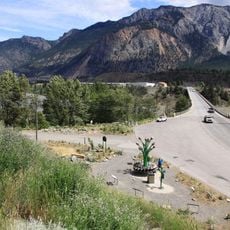
The site sits right off Highway 97 east of Cache Creek and is easy to reach by car. The ground is uneven and slopes are steep in places, so sturdy footwear is a good idea before walking near the exposed rock faces.
The deposits at McAbee have preserved plant species that are today found mainly in Asia, suggesting the region once had a very different climate. This finding has led scientists to rethink how entire groups of plants once spread across the northern hemisphere.
The community of curious travelers
AroundUs brings together thousands of curated places, local tips, and hidden gems, enriched daily by 92,632 contributors worldwide.