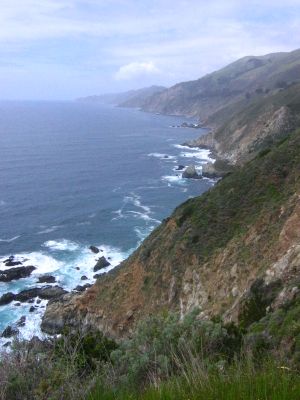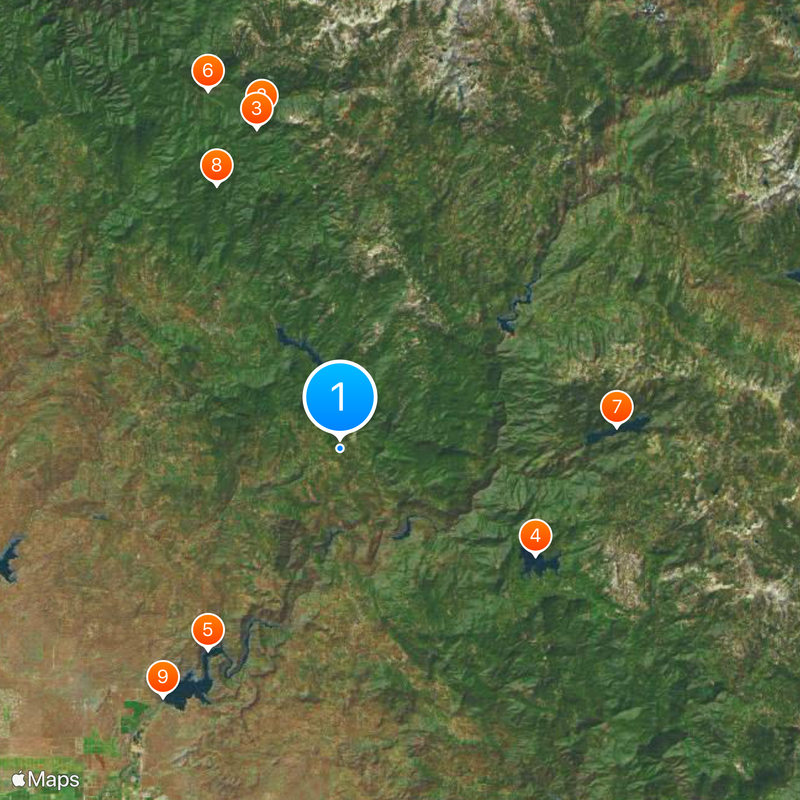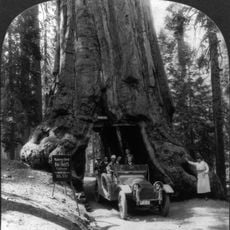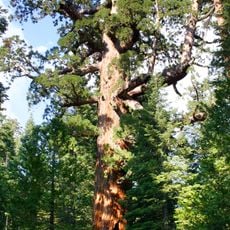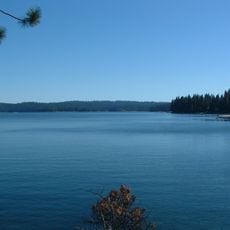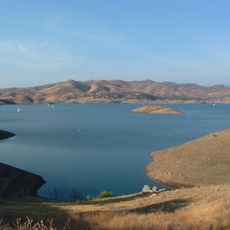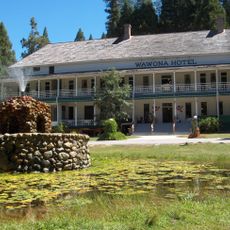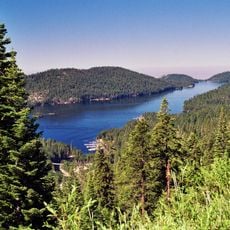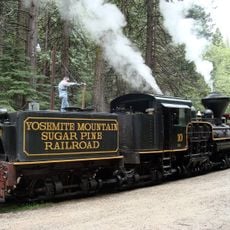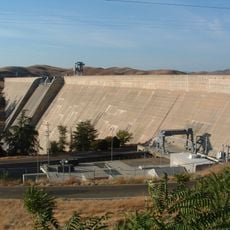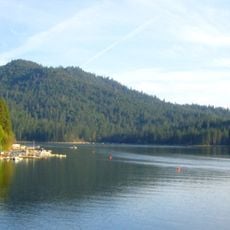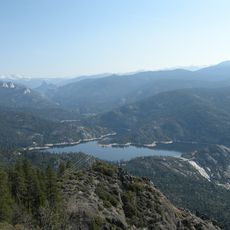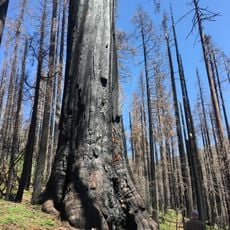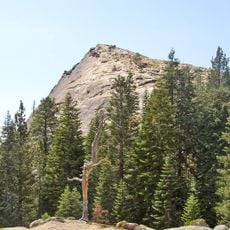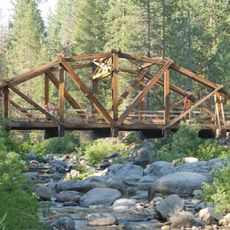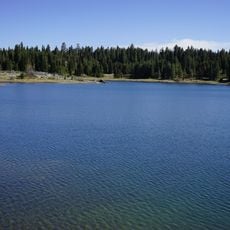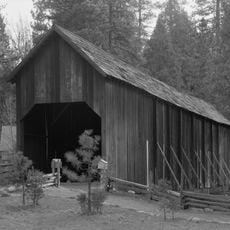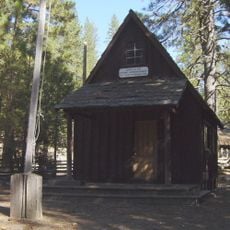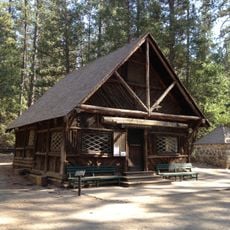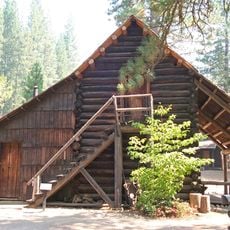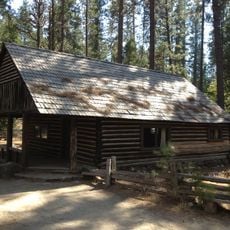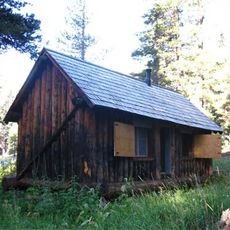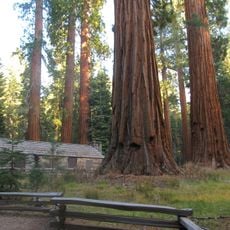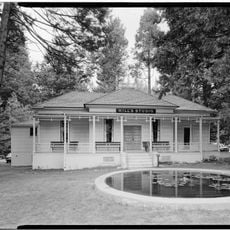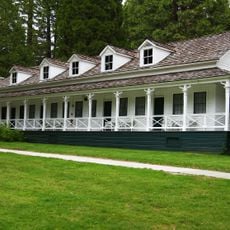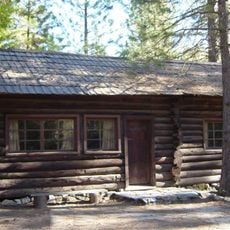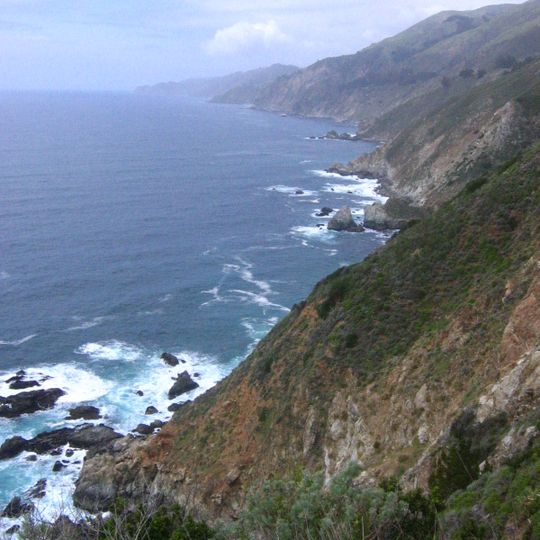
Geography of California, Diverse landscapes in California, United States.
This territory stretches along the Pacific coast across more than 163,000 square miles (423,000 square kilometers) and includes mountain ranges, deserts, valleys, and wide forests. The shoreline measures over 1,200 miles (1,900 kilometers) and runs from rugged cliffs in the north to broad beaches in the south.
European explorers reached this coast in the 16th century and gave it a name from a popular novel of the time. The region later shifted from Spanish to Mexican rule before becoming part of the United States in the mid-19th century.
The name comes from a 16th-century Spanish adventure novel describing an island filled with gold. This literary origin still echoes in how many people imagine the place today.
The varying elevations and climate zones require adapted clothing, especially when crossing several regions in one day. Sun protection is important year-round, even at higher elevations and on overcast days.
Both the highest point in the lower 48 states and the lowest lie here, less than 90 miles (140 kilometers) apart. These extremes also show in the climate, where alpine peaks and scorching hot basins exist side by side.
The community of curious travelers
AroundUs brings together thousands of curated places, local tips, and hidden gems, enriched daily by 92,219 contributors worldwide.