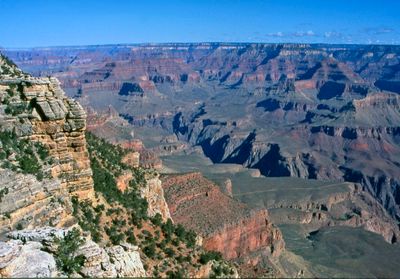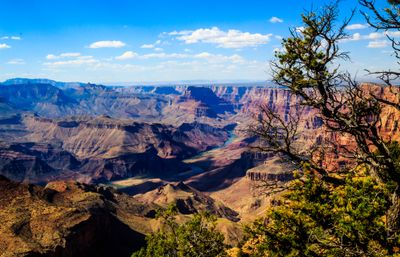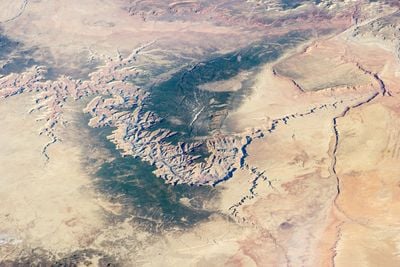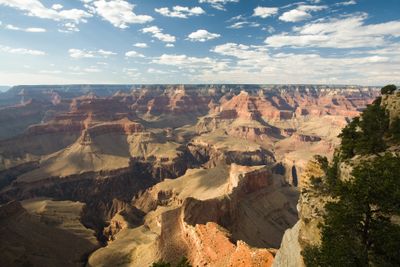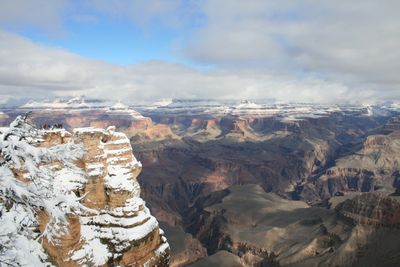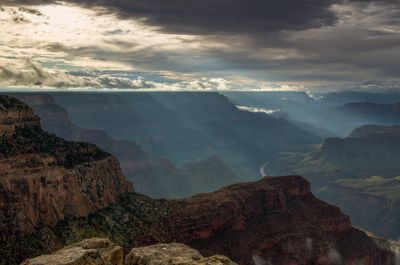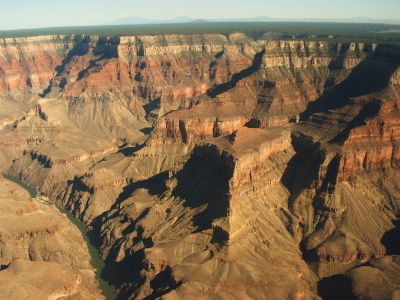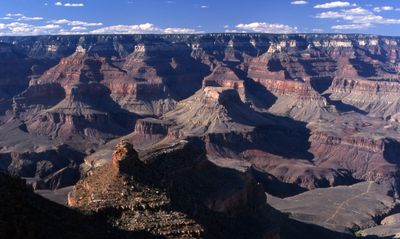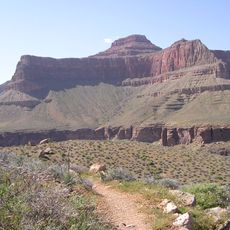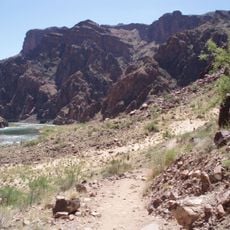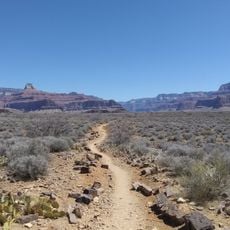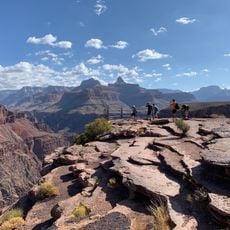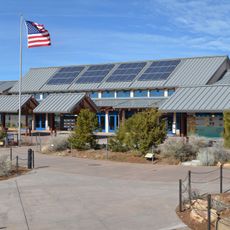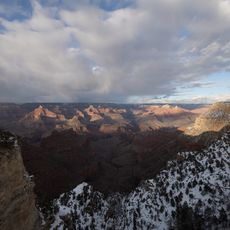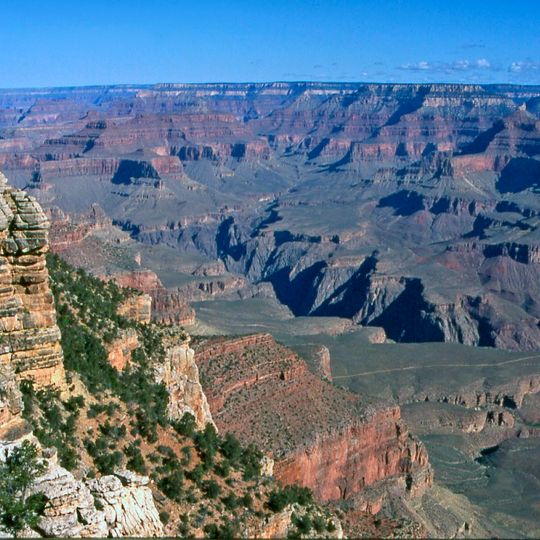
Grand Canyon, Canyon in Arizona, United States.
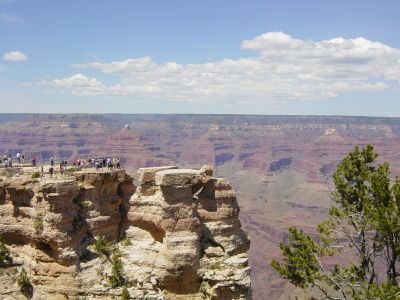
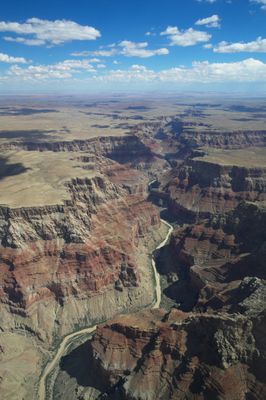
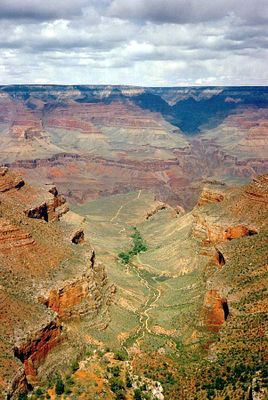
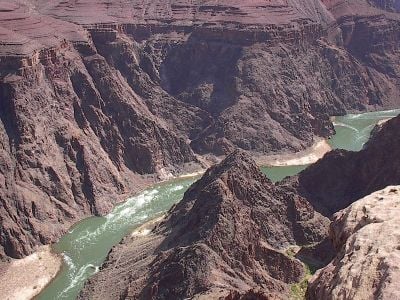
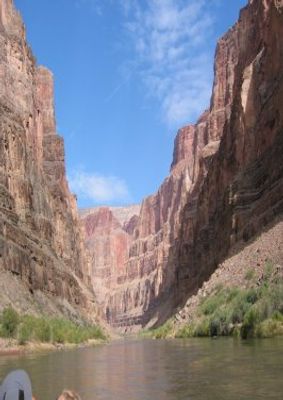
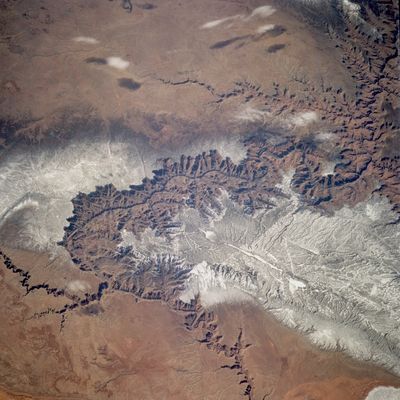
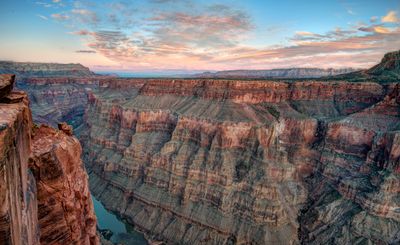
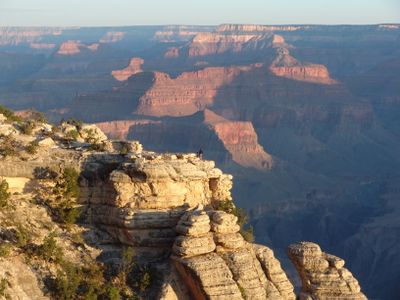
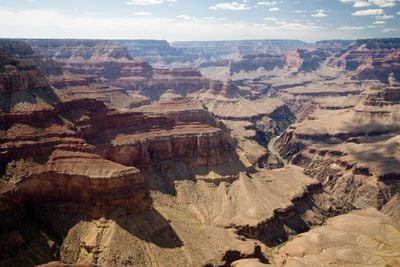
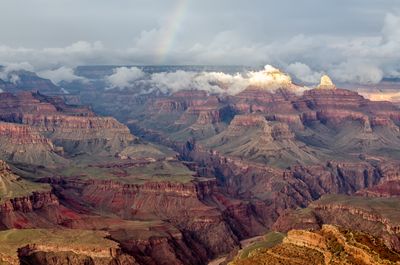
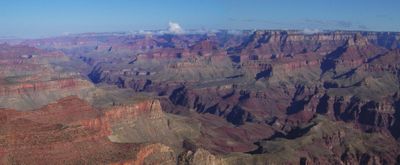
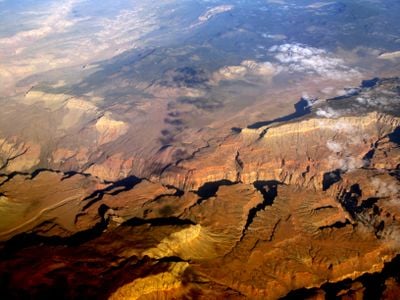
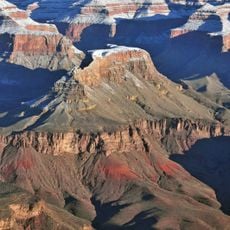
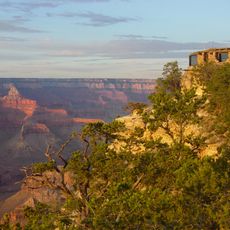
The Grand Canyon is a massive gorge that stretches roughly 277 miles along the Colorado River, with sections plunging over one mile deep. The walls descend steeply and are carved by countless side canyons and tributaries that create the intricate pattern of this natural formation.
Europeans first arrived at this location in 1540 when Spanish conquistador García López de Cárdenas reached the site. Over following centuries, mining, tourism, and conservation efforts shaped the region until its designation as a national park in 1919.
Eleven Native American tribes including the Navajo, Hopi, and Havasupai hold deep spiritual connections to this place and practice their traditions here. Their presence shapes how visitors and communities today understand and respect the land.
The South Rim is accessible year-round with visitor centers, restaurants, and shuttle buses to help you navigate the area. The North Rim closes during winter, so plan your visit based on the season you prefer to explore.
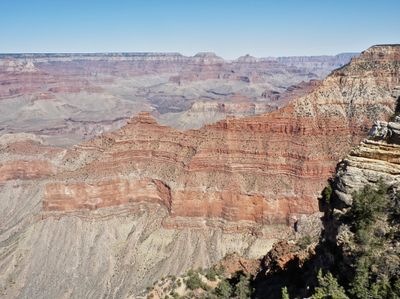
The rock layers in the walls reveal nearly two billion years of Earth's history, from ancient seas to desert conditions. Each layer tells a different story about the transformations this continent has experienced.
Location: Arizona
GPS coordinates: 36.09750,-112.09528
Latest update: December 6, 2025 19:00
This collection presents geological formations created through natural processes over millions of years. From layered sandstone waves in Arizona to volcanic basalt columns in Northern Ireland, these locations demonstrate Earth's geological diversity. Erosion, tectonic activity, and mineral deposits have shaped landscapes that provide insights into our planet's history. The selection includes limestone caves in New Zealand with glowworms, thermal springs in Turkey with travertine terraces, and colored rock formations in China created by iron-rich minerals. Visitors will find glacier caves in Iceland, canyons in Utah, and salt pans in Namibia. Each location documents specific geological processes and offers opportunities to explore different rock formations and natural phenomena.
From the highest peaks to coastal cliffs, this collection brings together geographically significant observation points across all continents. The locations offer views of mountain ranges, waterfalls, deserts, oceans, and notable architectural structures. The selection includes the Great Wall near Beijing, the Cliffs of Moher above the Atlantic, the Grand Canyon in Arizona, and Mount Everest on the Nepal-Tibet border. Among the waterfalls are Iguazú Falls between Brazil and Argentina, Victoria Falls between Zambia and Zimbabwe, and Niagara Falls between Canada and the United States. The Pyramids of Giza, the Alhambra in Granada, and the Taj Mahal in Agra showcase important architectural achievements from different eras. Natural formations such as Uluru in the Australian outback, Halong Bay in Vietnam, Banff National Park in the Canadian Rockies, and the Norwegian fjords demonstrate Earth's geological diversity. Additional locations include Santorini in the Aegean Sea, the Amazon rainforest, Horseshoe Bend on the Colorado River, Petra in Jordan, Mount Kilimanjaro in Tanzania, the Fitz Roy range in Patagonia, and Plitvice Lakes National Park in Croatia.
The Earth offers a wide range of geological shapes shaped over millions of years by weather and the movements of the land. In Northern Ireland, thousands of basalt columns stand along the coast, leftover from an ancient eruption. In Arizona, the Colorado River carved out a canyon more than 400 miles long. In Bolivia, a salt flat forms a giant mirror during the rainy season. You can also find white terraces formed by hot springs in Turkey, eroded sandstone arches in the American desert, or the largest coral reef in the world off Australia. Some formations show that volcanic activity still occurs, like in Yellowstone Park. Others are the result of tectonic plate collisions, such as the Himalayas where Mount Everest rises. These places tell the story of Earth's geology and are still changing under the influence of wind, water, and moving continents.
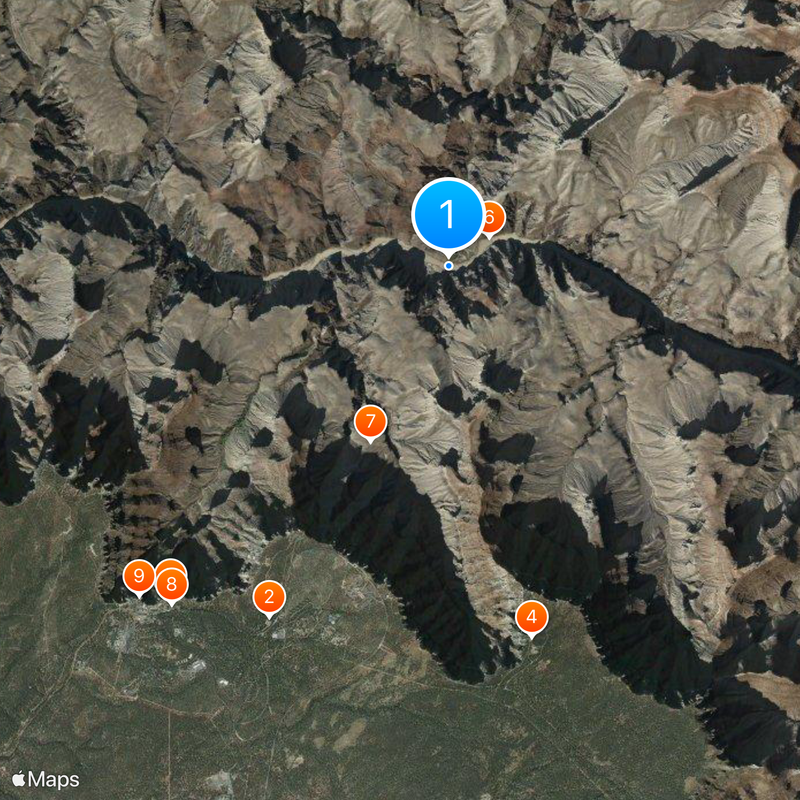
Grand Canyon National Park
5.3 km
El Tovar Hotel
5.8 km
South Kaibab Trail
5.1 km
Hopi House
5.8 km
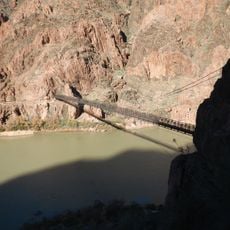
Kaibab Trail Suspension Bridge
659 m
Tonto Trail
2.6 km
Grand Canyon Depot
5.9 km
Lookout Studio
6.1 km
River Trail
1.4 km
Plateau Point Trail
2.9 km
Rim Trail
5.6 km
Clear Creek Trail
1.5 km
Grand Canyon South Rim Ranger's Dormitory
6 km
Newton Butte
5.6 km
Plateau Point
2 km
Grand Canyon National Park Superintendent's Residence
5.8 km
Grand Canyon Park Operations Building
6 km
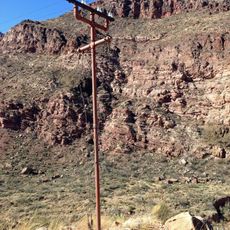
Trans-Canyon Telephone Line
1.4 km
Grand Canyon Visitor Center
4.5 km
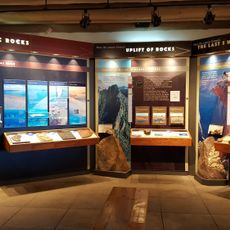
Yavapai Geology Museum
4 km
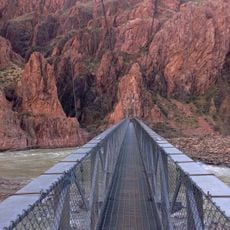
Silver Bridge
25 m
Yavapai Museum of Geology
4 km
Verkamp's Visitor Center
5.7 km
Grand Canyon Visitor Center
4.5 km
Trailer Village
5.3 km
Powell Point
5.7 km
Mile-and-a-Half Resthouse
5.7 km
Bright Angel Canyon
345 mVisited this place? Tap the stars to rate it and share your experience / photos with the community! Try now! You can cancel it anytime.
Discover hidden gems everywhere you go!
From secret cafés to breathtaking viewpoints, skip the crowded tourist spots and find places that match your style. Our app makes it easy with voice search, smart filtering, route optimization, and insider tips from travelers worldwide. Download now for the complete mobile experience.

A unique approach to discovering new places❞
— Le Figaro
All the places worth exploring❞
— France Info
A tailor-made excursion in just a few clicks❞
— 20 Minutes