Elden Pueblo, Archaeological site at the foot of Mount Elden, near Flagstaff, Arizona, United States
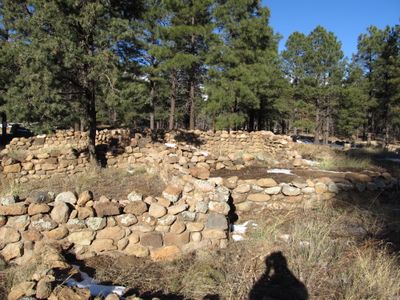
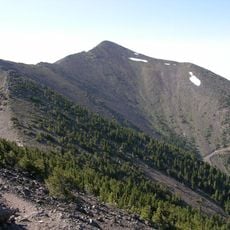
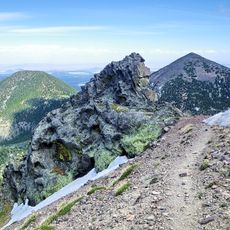
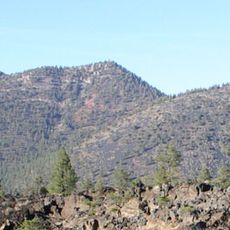
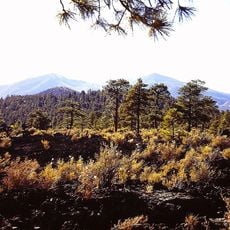
Elden Pueblo is an archaeological site in Coconino National Forest preserving the remains of stone walls, circular ceremonial structures, and dwelling areas positioned at the base of Mount Elden. The location contains foundations and walls of around 60 to 70 rooms that once formed part of a larger settlement.
The Sinagua people established a settlement here from around 1070 to 1275, creating one of the region's notable communities during that era. The site was eventually abandoned, but left behind archaeological layers that reveal clues about daily life across those centuries.
Excavations at Elden Pueblo yielded macaw skeletons from Mexico and shell jewelry from the California coast, showing that its Sinagua residents took part in a long-distance trading system. The pueblo is also known by its Hopi name, Pasiwvi.
The site features marked trails and interpretive signs that guide visitors through the ruins. Year-round exploration is possible, though conditions vary seasonally, particularly during the hot summer months when shade and water become important considerations.
The Winona meteorite is often said to have been found at Elden Pueblo, but it actually came from another Sinagua site miles away. The burial mound is also debated: some argue it is just a dirt pile from Jesse Walter Fewkes' nearby 1926 excavation, since ruins of another structure lie beneath it.
The community of curious travelers
AroundUs brings together thousands of curated places, local tips, and hidden gems, enriched daily by 93,634 contributors worldwide.