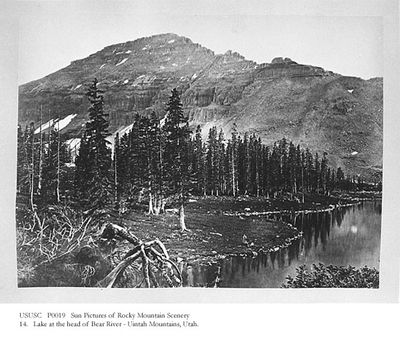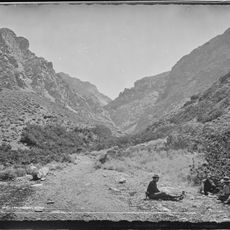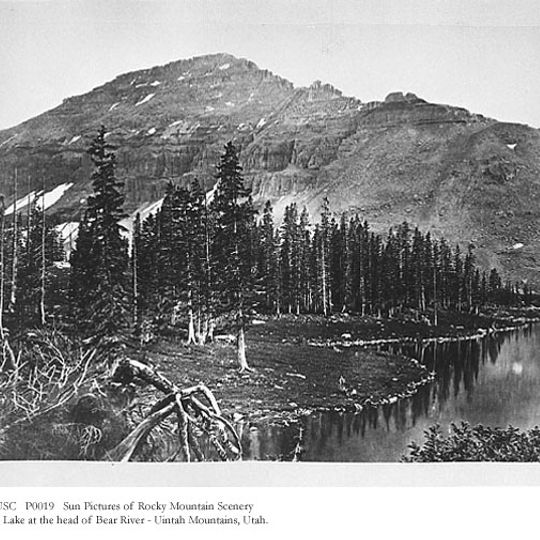
Bear River, Mountain river in Utah, Idaho and Wyoming, United States.
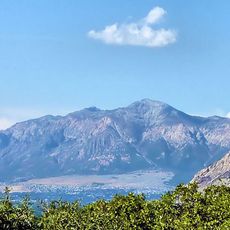
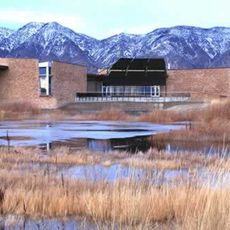
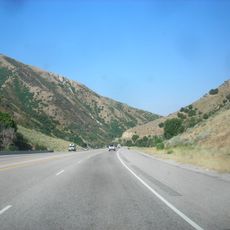
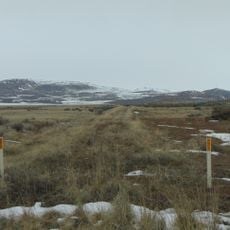
The Bear River is a waterway system that flows across approximately 350 miles through northeastern Utah, southwestern Wyoming, and southeastern Idaho, passing through varied mountain terrain. The system supports numerous fish species, including the Bonneville cutthroat trout, and its water serves irrigation needs for agricultural lands in the northern region.
About 140,000 years ago, volcanic activity near Soda Springs, Idaho, caused the river to shift course, turning away from the Snake River and instead flowing toward Lake Bonneville. This geological change shaped the waterway's current structure and the surrounding terrain fundamentally.
The river valley served as home to the Shoshone people, who built settlements and thrived using the waterway's resources for generations. Today, the waterway's story reflects the complex past of the region and the indigenous communities that shaped this landscape.
The banks are accessible in many areas throughout the region, though water flow and levels can vary with the season. Visitors should check local conditions and water patterns before exploring the different sections of the waterway to ensure a safe experience.
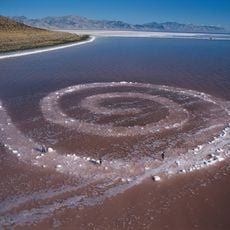
What sets this waterway apart is that it ranks as North America's longest river to never reach an ocean. Instead, it ends at the Great Salt Lake, completing one of the continent's most unusual hydrological cycles.
The community of curious travelers
AroundUs brings together thousands of curated places, local tips, and hidden gems, enriched daily by 92,244 contributors worldwide.