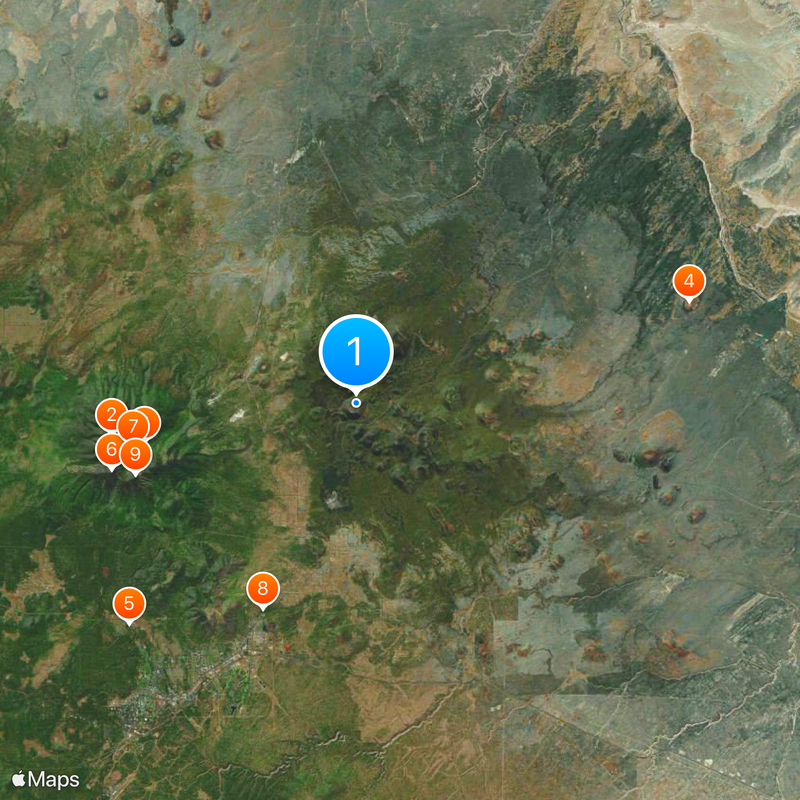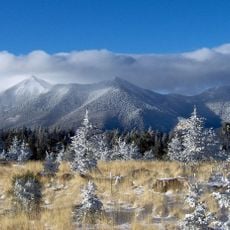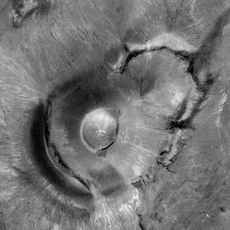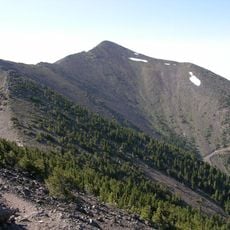
Sunset Crater, Volcanic cinder cone in Coconino County, United States.
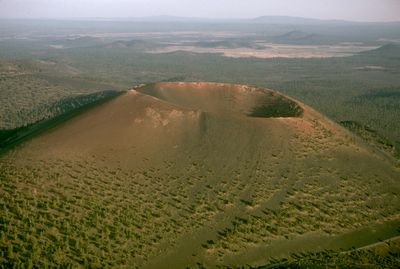
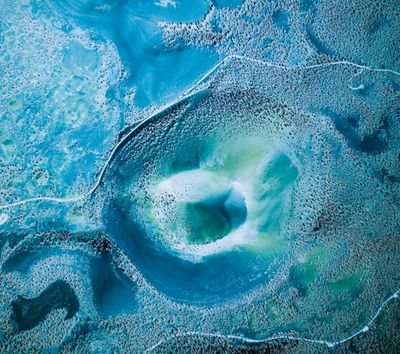
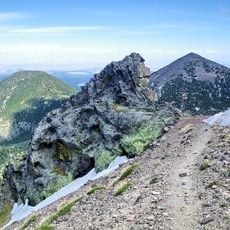
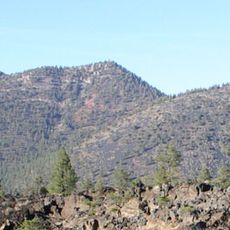
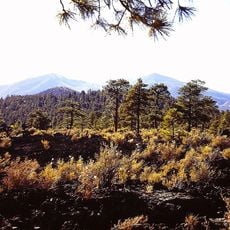
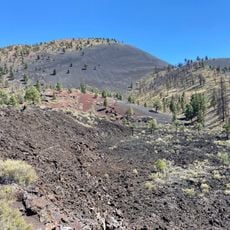
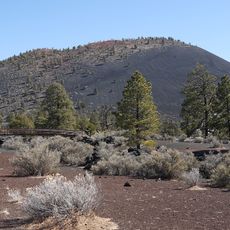
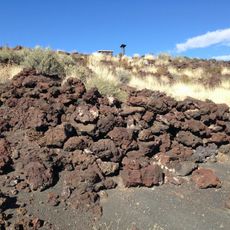
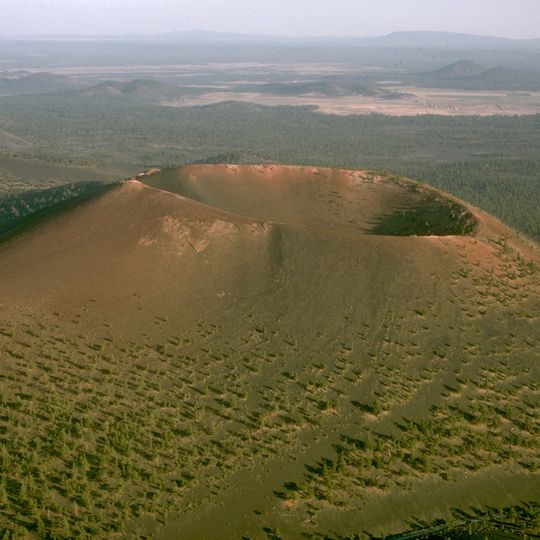
Sunset Crater is a volcanic cinder cone with rust-colored mineral deposits staining its upper slopes and rim. Black lava fields of varying ages and textures spread across the surrounding landscape in all directions.
The eruption occurred around 900 years ago and dramatically altered the surrounding landscape. This event influenced how people settled and used the land in the region for centuries afterward.
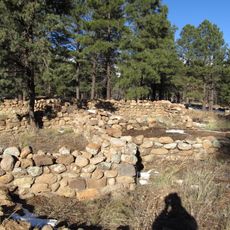
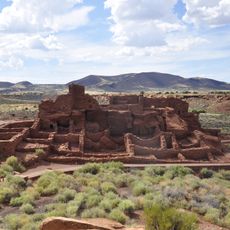
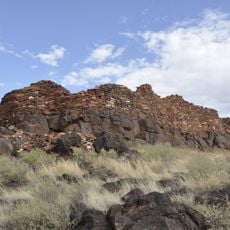
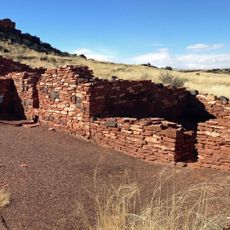
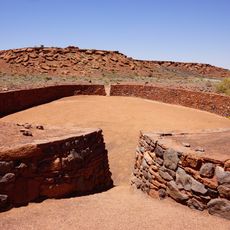
The Sinagua lived densely around the cone before the 1085–1090 eruption; corn cobs still unripe were found in basalt clumps, showing it began in midsummer. Within five to ten years they resettled the ash-covered land below, where large settlements such as those of Wupatki National Monument arose.
Visit early in the morning or late afternoon when shadows reveal the landscape's texture and crowds are lighter. Bring plenty of water and wear sturdy shoes since the ground is rough and sharp lava is everywhere underfoot.
The cone's final eruption around 1250 threw out bright red and orange lapilli that colour its upper slopes and gave the volcano its name. The crater is also the namesake of the Sunset Crater beardtongue (Penstemon clutei), a wildflower found here.
The community of curious travelers
AroundUs brings together thousands of curated places, local tips, and hidden gems, enriched daily by 94,781 contributors worldwide.