Roden Crater, Art installation in volcanic cone near Flagstaff, Arizona, United States
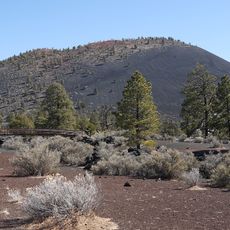
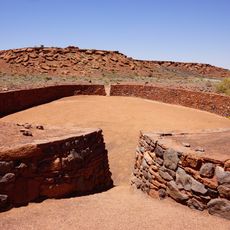
Roden Crater is an extinct volcanic cone in Arizona that has been fitted with constructed chambers and tunnels designed to frame and direct sunlight and starlight. The structure combines the natural landform with precisely calculated openings that allow visitors to observe how light changes throughout the day and across the year.
Artist James Turrell purchased this extinct volcanic cone in 1979 and began a long-term project to create an observatory connecting people with celestial phenomena. The work developed over decades through gradual excavations and constructions that merged the cone's natural form with engineered interventions.
Turrell drew on his experience as a pilot, his studies in visual psychology and research on ancient observatories. The site is described by museums as a controlled environment for watching light and space, and Arizona State University courses such as "Indigenous Stories and Sky Science", taught by Professor Dalla Costa, now include the crater in their curriculum.
Roden Crater is not open for regular visits; access has only been granted through occasional fundraising tours, such as the one held from May 14 to 17, 2015, which cost $6,500 per person. The site lies about 50 miles northeast of Flagstaff, Arizona, and the project remained unfinished as of August 2025. Check with Turrell's nonprofit before planning any trip.
The project contains twenty-four viewing spaces connected by six tunnels, where visitors observe celestial events through precisely calculated openings. These carefully planned sight lines allow the same scenes to be seen from different vantage points while revealing subtle shifts in perspective and illumination.
The community of curious travelers
AroundUs brings together thousands of curated places, local tips, and hidden gems, enriched daily by 93,168 contributors worldwide.