Manitou Springs Historic District, Historic district in Manitou Springs, Colorado, United States
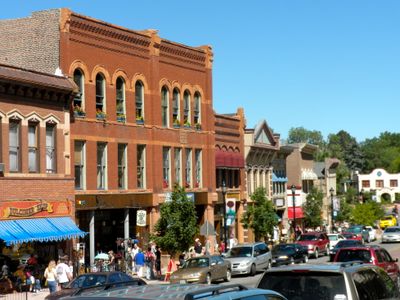
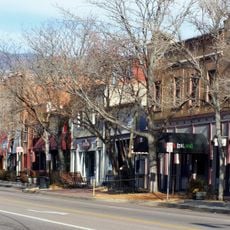
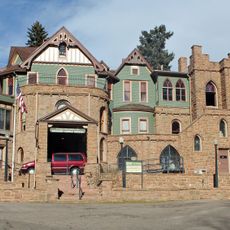
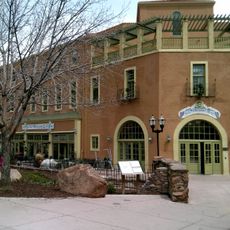
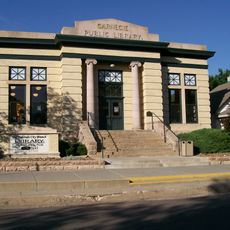
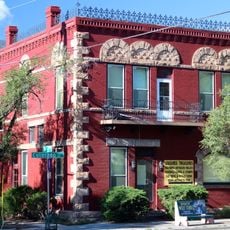
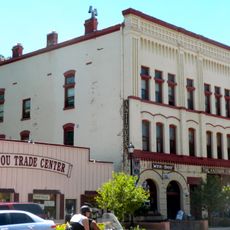
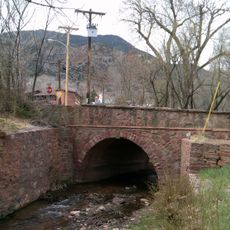
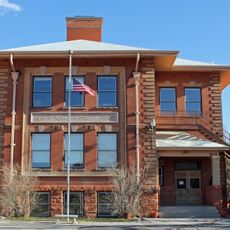
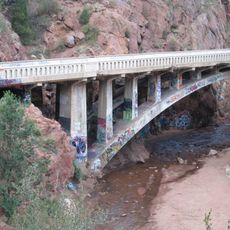
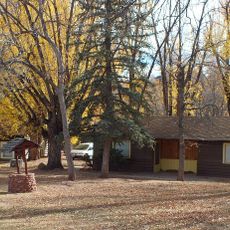
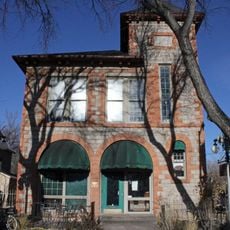
Manitou Springs Historic District is a National Register historic district in Manitou Springs, Colorado, roughly bounded by US 24, Ruxton Avenue, El Paso Boulevard and Iron Mountain Avenue. Manitou Avenue is its main thoroughfare, with businesses also on Ruxton Avenue and Canon Street, while residences line winding streets on hills above the center. Houses cling to the slopes, creating a stacked-box look, and since flat land for lawns is scarce, the town is one of decks, porches and stone-walled terraces.
The district began to take shape in the 1870s when investors and builders came to develop the area around the mineral springs, attracting health seekers from across the country. The Gillis Brothers construction company put up many of the key buildings during that period, giving the neighborhood the Victorian character it still carries.
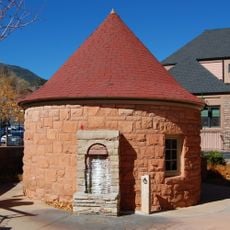
The springs are called manitou for the "breath of the Great Spirit Manitou" believed to have created the effervescence in the water. Native Americans considered them sacred and drank and soaked in them to heal before being removed to reservations. The Mineral Springs Foundation, formed in 1987, restores some springs and leads walking tours called "Springabouts".
Manitou Avenue is the main street for shops and cafes, and Ruxton Avenue and Canon Street offer additional options nearby. The district is easy to explore on foot, though some streets follow the hillside and can be steep in places.
The springs were called manitou for the "breath of the Great Spirit Manitou" believed to have created the effervescence in the water. Native Americans considered the springs sacred grounds, drinking and soaking in the mineral water to heal themselves. Explorer Stephen Harriman Long noted the water's healing properties in 1820.
The community of curious travelers
AroundUs brings together thousands of curated places, local tips, and hidden gems, enriched daily by 94,048 contributors worldwide.