Sawtooth National Recreation Area, National recreation area in Idaho, USA
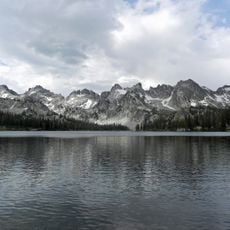
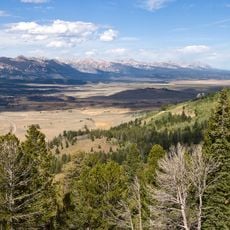
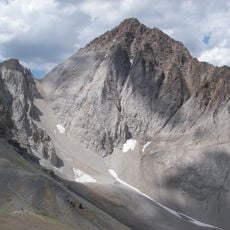
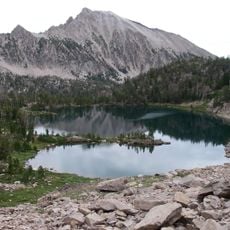
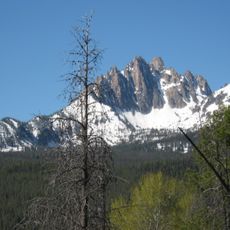
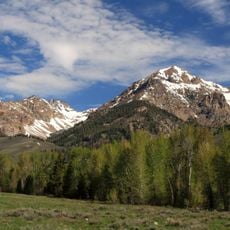
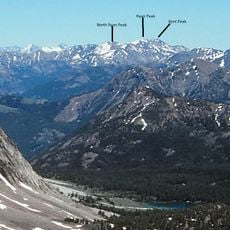
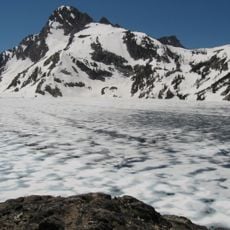
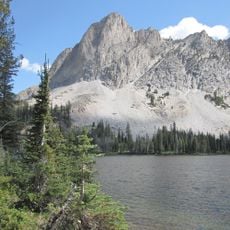
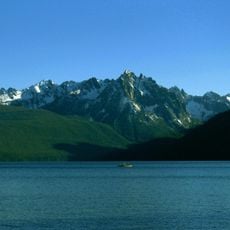
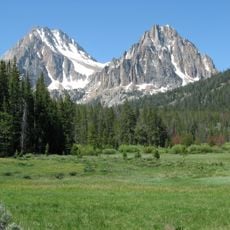
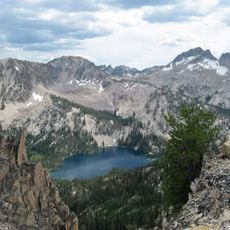
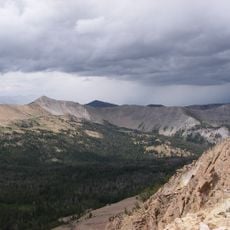
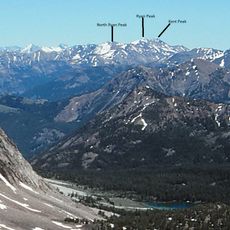
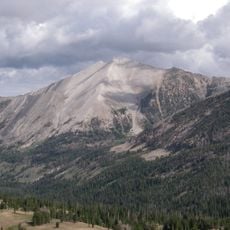
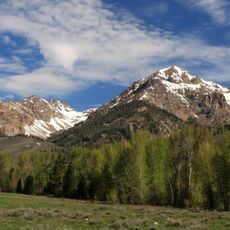
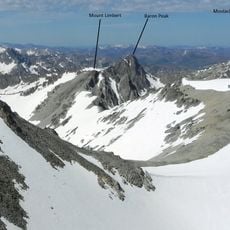
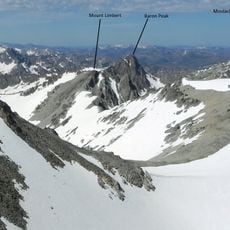
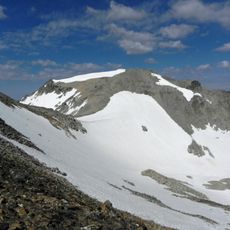
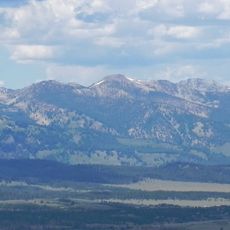
Sawtooth National Recreation Area covers 730,864 acres (2,957.7 km2) of central Idaho, managed by the U.S. Forest Service as part of Sawtooth National Forest. It holds the Sawtooth, White Cloud, Boulder and Smoky mountains, with Castle Peak the highest at 11,815 ft (3,601 m) in the White Clouds and Thompson Peak the highest in the Sawtooths at 10,751 ft (3,277 m). Hundreds of glacier-formed lakes lie below, the largest being Redfish, Alturas, Pettit, Yellow Belly, Stanley and Sawtooth lakes.
The Sawtooth National Recreation Area was created on August 22, 1972, by Public Law 92-400, which also turned the Sawtooth Primitive Area into the Sawtooth Wilderness. The White Clouds and Hemingway-Boulders wilderness areas were added on August 7, 2015, by Public Law 114-46. Between 1998 and 2010 a mountain pine beetle outbreak killed thousands of lodgepole pines across the Sawtooth Valley, prompting prescribed fires, logging and thinning supported by the Sawtooth Valley Wildfire Collaborative.
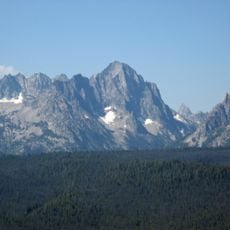
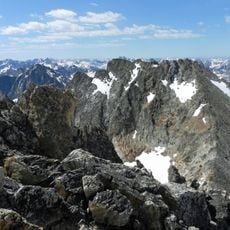
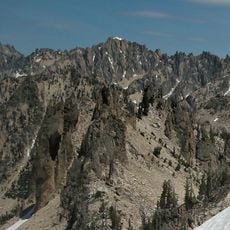
The name Sawtooth comes from the jagged peaks that resemble the teeth of a saw, defining how the landscape appears from a distance. Hikers and campers use the area mostly during summer months when trails clear of snow and lakes become accessible for swimming.
Most trails and campgrounds open from June through September, while higher elevations may hold snow well into July. Visitors should bring water, weather-resistant clothing, and maps, as cell phone service is unavailable in many parts.
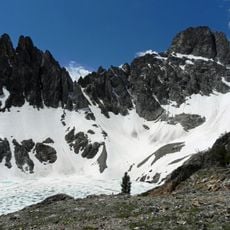
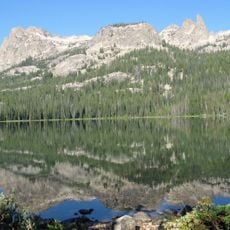
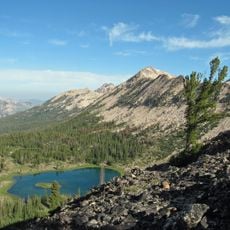
The region holds more than 300 high-mountain lakes, many reachable only after several hours of hiking. Some of these lakes rest in cirques carved by glaciers thousands of years ago and now ringed by steep rock walls.
The community of curious travelers
AroundUs brings together thousands of curated places, local tips, and hidden gems, enriched daily by 93,780 contributors worldwide.