Experimental Breeder Reactor II, experimental nuclear reactor
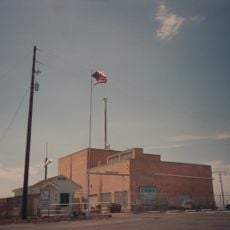
Experimental Breeder Reactor II is a fast-neutron reactor at the Idaho National Laboratory, built to test whether a reactor could generate more nuclear fuel than it uses during operation. The facility is part of a large government research site in the eastern Idaho desert and is no longer in active operation.
The reactor began operating in 1964 as part of a US government push to develop fast breeder technology as a long-term energy strategy. It ran for about 30 years before being shut down in 1994, after which it became a reference for decommissioning research.
The reactor drew scientists from across the country who saw it as a proving ground for a new kind of nuclear technology. For the local research community in Idaho, it became a reference point for how experimental science is conducted over long timescales.
The site sits within the Idaho National Laboratory, a secured federal research campus where general public access is not standard. Anyone wishing to visit should contact the laboratory in advance to find out whether tours or educational programs are currently offered.
In 1986, engineers deliberately cut the reactor's cooling flow to see if it would shut itself down safely without any operator action. It did, and this test became one of the most cited demonstrations of passive safety in nuclear reactor design.
The community of curious travelers
AroundUs brings together thousands of curated places, local tips, and hidden gems, enriched daily by 90,806 contributors worldwide.