Scapegoat Wilderness, Wilderness area in Montana, United States
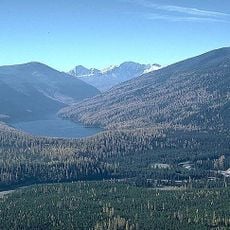
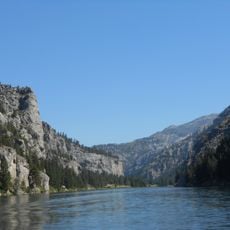
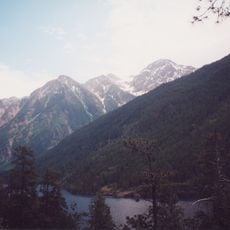
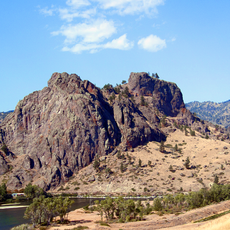
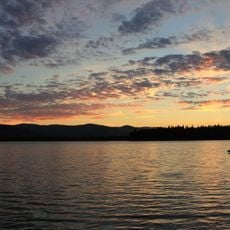
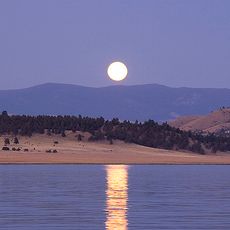
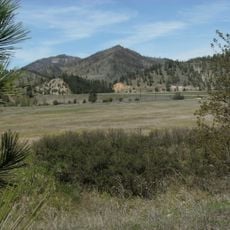
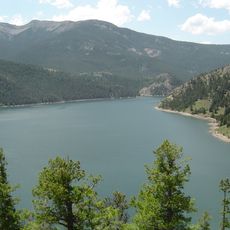
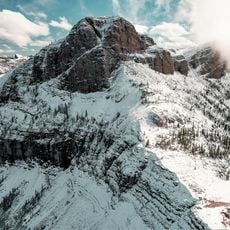
Scapegoat Wilderness is a protected natural area spanning two national forests with elevations between 5,000 and 9,400 feet. The landscape features mountain ridges, forested valleys, clear lakes, and numerous streams throughout its expanse.
Congress designated the Scapegoat Wilderness in 1972 under the Wilderness Act of 1964, covering 239,936 acres in the Helena-Lewis and Clark and Lolo National Forests. It shares a boundary with the Bob Marshall Wilderness, forming part of the 1.5-million-acre Bob Marshall Wilderness Complex.
The wilderness is home to grizzly bears, wolves, mountain goats, bighorn sheep, moose, elk and mule deer, with rare sightings of wolverines and mountain lions. Eight fish species live in its lakes and streams, where rainbow trout and northern pike are the most common game fish. The name Scapegoat comes from Scapegoat Mountain, a peak in the wilderness.
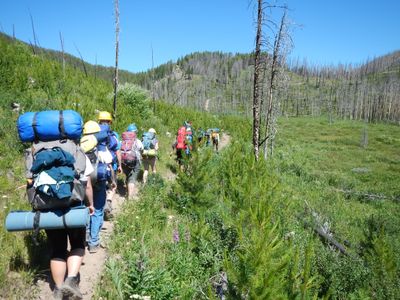
Visitors can explore the area on foot or horseback along numerous trails, or fish in lakes and streams. The best time to visit is late summer and early fall when higher elevations are snow-free and trails are most accessible.
Bugle Mountain, also called Bugle Peak, appears in the 1952 film Red Skies of Montana, a forest-fire story partly based on the 1949 Mann Gulch fire; the movie was shot in Montana. The wilderness also holds the headwaters of the Blackfoot River and fourteen lakes, with rainbow trout and northern pike the most common game fish.
The community of curious travelers
AroundUs brings together thousands of curated places, local tips, and hidden gems, enriched daily by 94,283 contributors worldwide.