Wyoming Basin, Physiographic province in Wyoming and Colorado, United States.
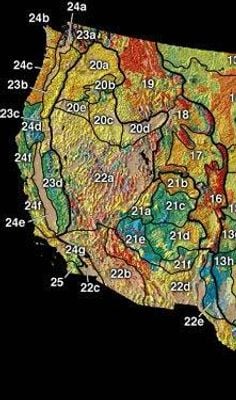
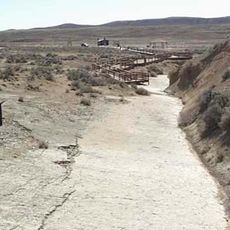
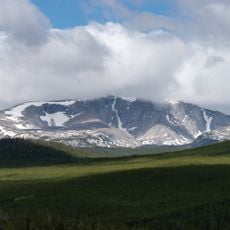
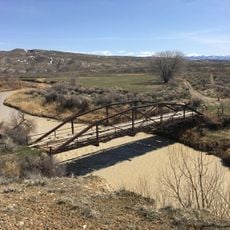
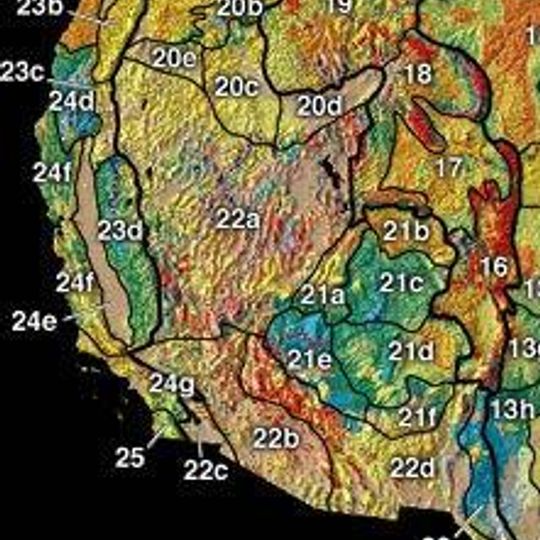
The Wyoming Basin is an arid intermontane basin of about 140,000 km² covering nearly two thirds of Wyoming and reaching into Colorado, Utah, Idaho and Montana. It lies in the rain shadow of the Rockies at roughly 2,000 m, falling to about 1,300 m at its northern edge in Montana. Sagebrush, wheatgrasses and saltbush dominate, broken by hills and small ranges; the Great Divide Basin in the Red Desert has sand dunes and salt flats and drains to no ocean.
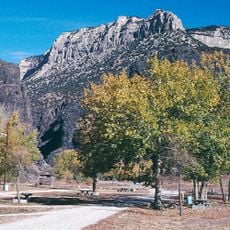
The area formed millions of years ago through massive mountain-building processes that shaped the Rocky Mountain landscape. Later, erosion carved out the valleys and basin structures visible today.
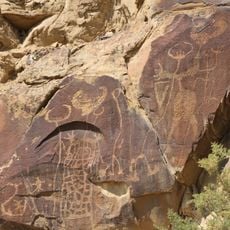
The basin's sagebrush steppe and the Great Divide Basin lie within the historic range of Plains and Great Basin peoples, and the open terrain between the mountain ranges served as travel country rather than a barrier. The name Wyoming itself comes from a Lenape word recorded in the Wyoming Valley of Pennsylvania and was later applied to this western territory.
The best time for exploration is during warmer months when roads and trails are accessible. The region has multiple starting points in both states, and many locations can be reached by car.
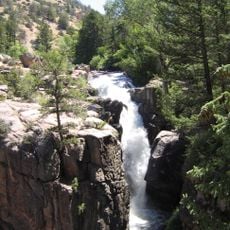
The Continental Divide crosses the Wyoming Basin, and the Great Divide Basin inside it is the only large part of the province drained by none of its three river systems: the Green River, the Bighorn River and the North Platte River. Its sand dunes and salt flats lie in Wyoming's Red Desert.
The community of curious travelers
AroundUs brings together thousands of curated places, local tips, and hidden gems, enriched daily by 93,599 contributors worldwide.