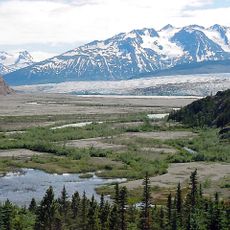
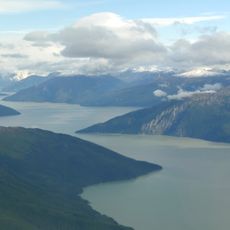
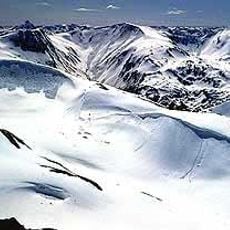
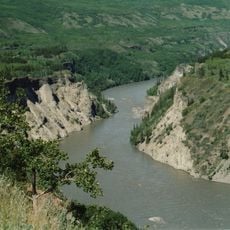
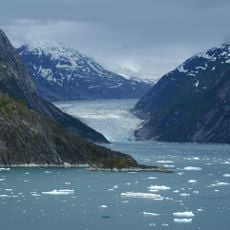
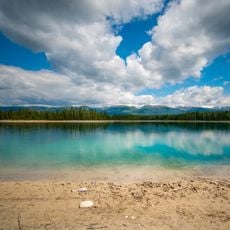
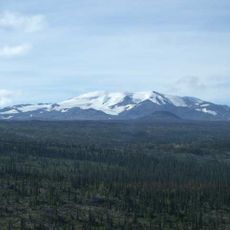
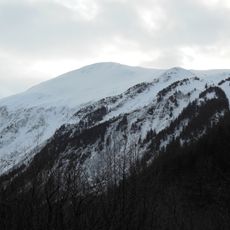
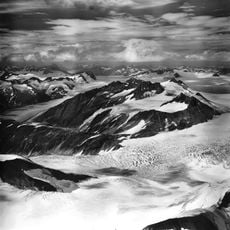
Caribou Tuya, Subglacial volcano in British Columbia, Canada.
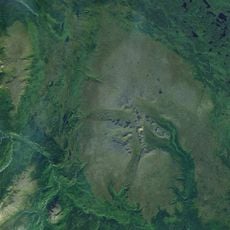
Caribou Tuya is an extinct volcano in northwestern British Columbia that rises approximately 1,770 meters above the surrounding plateau. Its slopes reveal distinct layers of pillow lava, volcanic glass deposits, and thick basalt flows that formed beneath glacial ice.
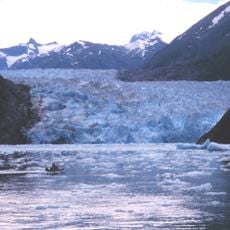
The volcano formed between approximately 25,000 and 10,000 years ago during the Fraser glaciation through eruptions beneath thick ice sheets. This period shaped the mountain's distinctive character as lava and ice interacted to create its unique structure.
Geologists study this formation to understand the relationship between volcanic activity and glacial periods in northern British Columbia.
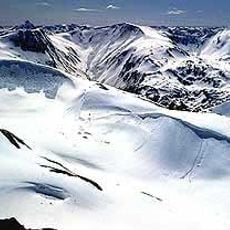
Reaching this mountain requires serious climbing experience, proper gear, and favorable weather conditions due to its remote northern location. Visitors should be prepared for harsh conditions and work with local guides or specialists familiar with the terrain.
The mountain's internal layering displays a complete sequence of volcanic activity that documents the transition from submarine to above-ice eruptions. These layers tell the story of how ice thickness changed during eruption and shaped the volcano's form.
The community of curious travelers
AroundUs brings together thousands of curated places, local tips, and hidden gems, enriched daily by 60,000 contributors worldwide.