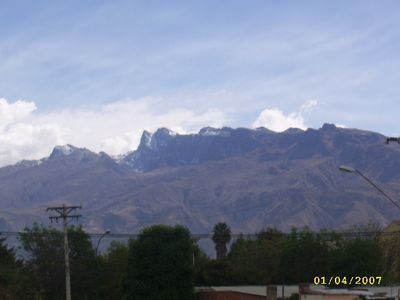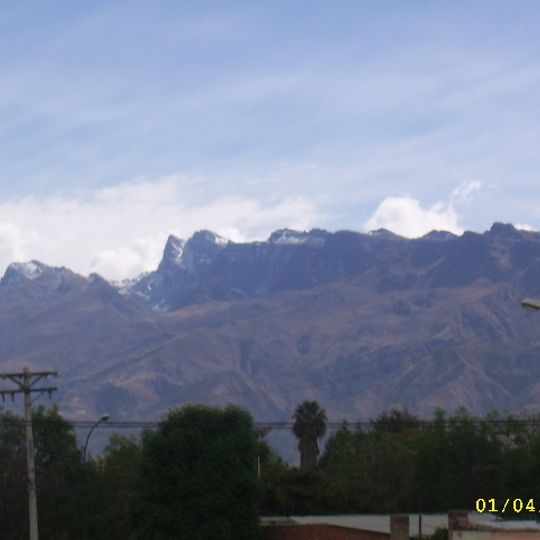
Tunari, Mountain peak in Cochabamba Department, Bolivia.
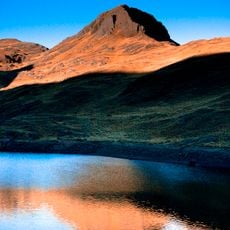
Tunari rises to 5,023 meters above sea level as part of the Cordillera Cochabamba mountain range, featuring steep rocky slopes and high-altitude grasslands known as puna.
Indigenous peoples have inhabited the Tunari region for centuries, using the mountain as a landmark for navigation and territorial boundaries during pre-Columbian and colonial periods.
Local indigenous communities consider Tunari a sacred site where they perform traditional ceremonies honoring Pachamama and conduct seasonal festivals with offerings and ancestral dances.
Climbers typically access Tunari from nearby villages with guided tours during the dry season from May to September, requiring proper acclimatization to prevent altitude sickness.
Ancient fossils embedded in Tunari's rocks date back 500 to 600 million years, providing evidence of prehistoric oceans that once covered this Andean region.
The community of curious travelers
AroundUs brings together thousands of curated places, local tips, and hidden gems, enriched daily by 91,289 contributors worldwide.