Monte Roraima National Park, Nature reserve at northern Brazil borders
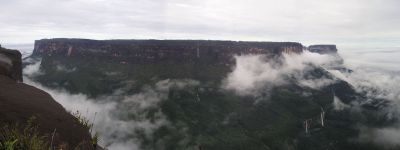
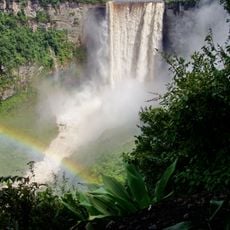
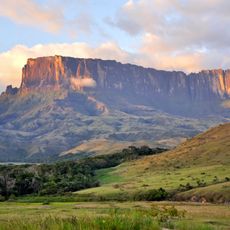
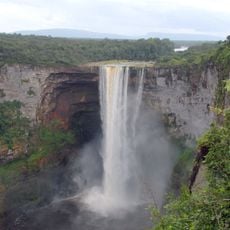
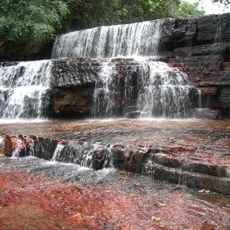
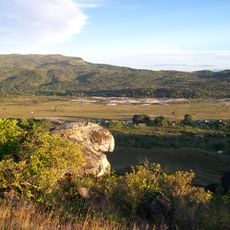
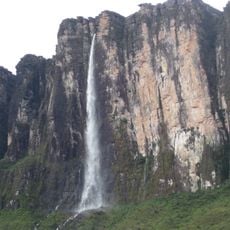
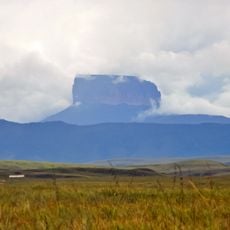
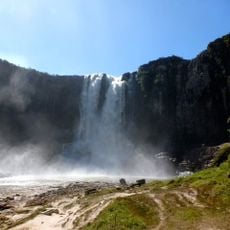
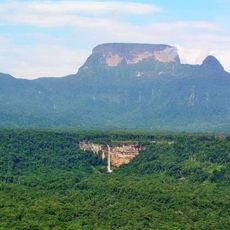
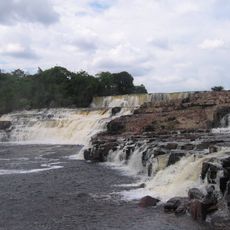
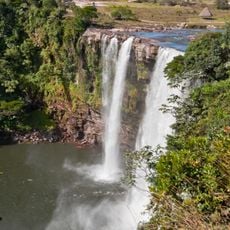
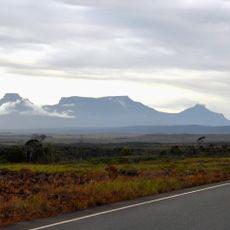
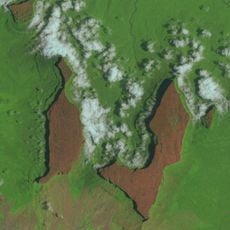
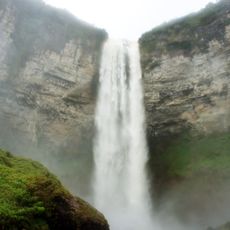
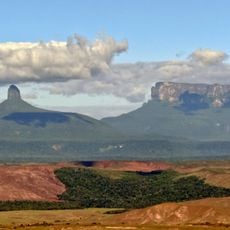
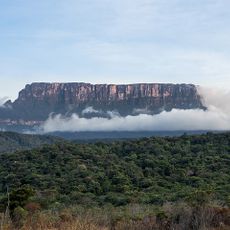
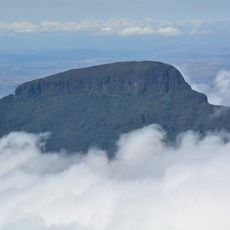
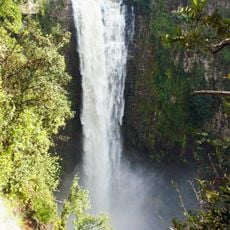
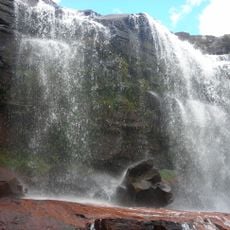
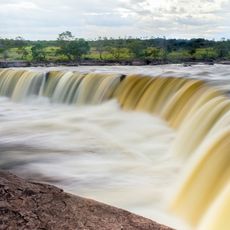
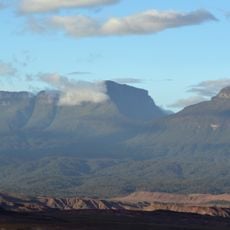
Monte Roraima National Park is a nature reserve in northern Brazil featuring vast expanses of protected land dominated by massive tepui mountain formations with vertical cliff faces. The landscape includes deep gorges, cascading waterfalls, and dense forest vegetation that create a dramatic and rugged environment.
Created by decree 97.887 of 28 June 1989 under President José Sarney and administered by ICMBio, the park existed only on paper until 2001, when UN funding allowed implementation. A management plan finalised in May 2000 was never ratified because of land disputes. On 15 April 2005 the area was assigned to FUNAI under "dual affectation", recognising the Raposa Serra do Sol Indigenous Territory.
The park lies entirely within the Raposa Serra do Sol indigenous territory, home to the Ingarikó and Macushi peoples, who have long used the area for hunting, farming and religious practices. A 2005 decree gave the park a dual role: conserving the environment while upholding the constitutional rights of these indigenous communities.
Visitors require authorization from the relevant authorities and should arrange guides familiar with the terrain before planning a trek. The trails are demanding and require good physical fitness along with weather-appropriate gear and supplies.
The flat summit of Mount Roraima holds the Marco da Triplice Fronteira, a monument marking where Brazil, Venezuela and Guyana meet. The park's altitudes run from 920 to 2,780 metres, and temperatures on the mountain can swing from 4 to 25 °C within a single day.
The community of curious travelers
AroundUs brings together thousands of curated places, local tips, and hidden gems, enriched daily by 92,861 contributors worldwide.