Equatorial Guinea, Country in Central Africa
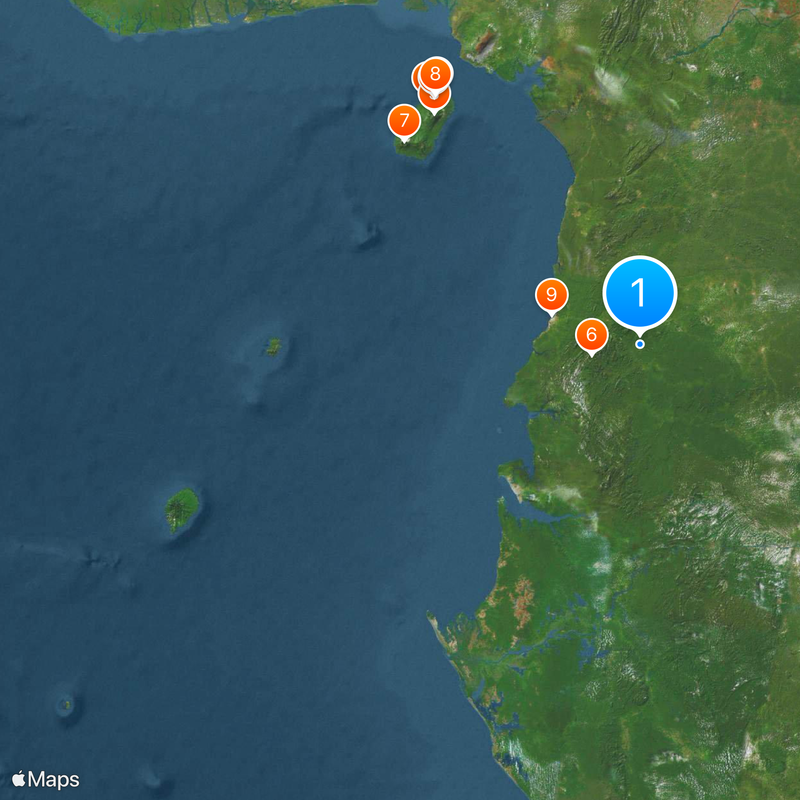
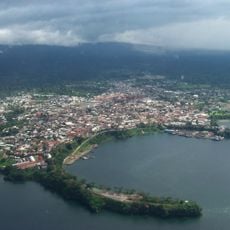
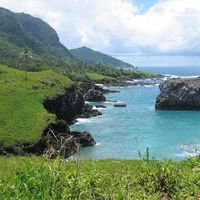
The territory comprises a mainland section on the Central African Atlantic coast and several islands in the Gulf of Guinea. The continental zone borders Cameroon to the north and Gabon to the south and east. Bioko Island lies approximately 25 miles (40 kilometers) off the Cameroonian coast and hosts diverse ecology. The smaller Annobón Island sits well south of the equator, separated from the main territory.
Portuguese explorers reached the region in the 15th century during African coastal exploration. In 1778, Portugal ceded the territory to Spain, establishing Spanish colonial presence. Throughout the 19th century, Bioko served as a British naval base for combating the slave trade. After decades of colonial administration, the territory gained independence in 1968 and subsequently experienced significant political and economic changes.
The nation preserves a cultural heritage rooted in the coexistence of multiple ethnic groups, with the Fang people maintaining traditional practices and rituals. Spanish, French, and Portuguese serve as official languages, while local languages such as Bubi on Bioko and Annobonese on Annobón remain spoken. Religious ceremonies blend Christian beliefs with animist traditions that shape social life. This cultural identity reflects a complex history of colonial influences and indigenous continuity.
Travelers require a visa for entry, which can be obtained through embassies or on arrival. International flights land on Bioko, with Malabo serving as the primary entry point. The mainland can be reached by ferry or domestic flights. The dry season from November to February offers the most favorable travel conditions when roads are more accessible. Yellow fever vaccination is mandatory and malaria prophylaxis is recommended.
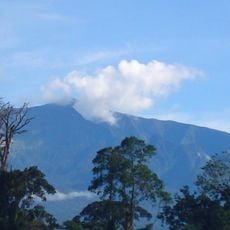
Petroleum reserves discovered in the 1990s fundamentally transformed the economy, making the nation a major oil producer south of the Sahara. Pico Basile on Bioko reaches 9,878 feet (3,011 meters), forming the highest point in the territory. Annobón Island follows a divergent calendar for religious celebrations based on Portuguese traditions, distinct from other parts of the country.
Inception: October 12, 1968
Capital city: Ciudad de la Paz
Part of: Central Africa, Portuguese-speaking African countries
Shares border with: Cameroon, Gabon
Website: https://guineaecuatorialpress.com
GPS coordinates: 1.61317,10.51704
Latest update: December 4, 2025 12:00
Malabo Mosque
308.4 km
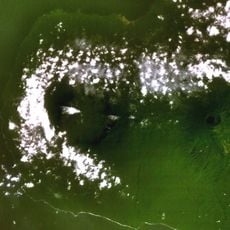
Pico Basilé
294 km
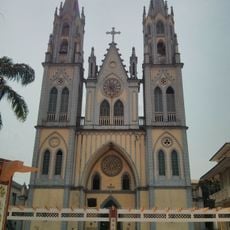
St. Elisabeth Cathedral
306.8 km
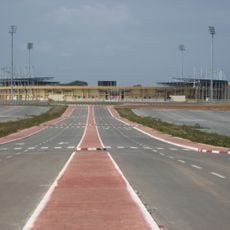
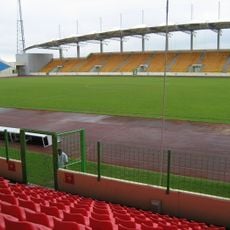
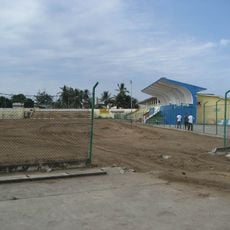
Estadio de Malabo
305 km
Monte Alén National Park
46.2 km
Luba Crater Scientific Reserve
295.3 km
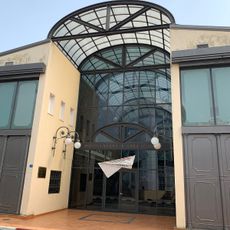
Cultural Center of Spain in Malabo
307.1 km
Torre de La Libertad
87.9 km
Pico Basilé National Park
293.2 km
Basilica of the Immaculate Conception, Mongomo
86 km
Djibloho Dam
8.5 km
Altos de Nsork National Park
83.9 km
Pico Quioveo
641.1 km
Museum of Modern Art Equatorial Guinea
307 km
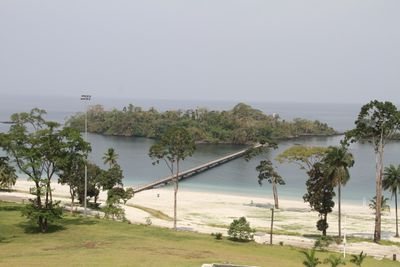
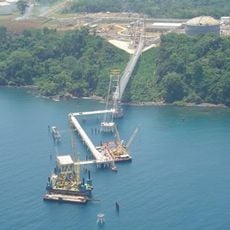
EG LNG Pipeline Suspension Bridge
314.8 km
St. James and Our Lady of the Pillar Cathedral, Bata
87.8 km
San Carlos
293.4 km
Monte Temelón Natural Reserve
51.1 km
National Library of Equatorial Guinea
307 km
Mount Biao
286.4 km
Puerto de Malabo
307.6 km
Rio Campo Natural Reserve
95.6 km
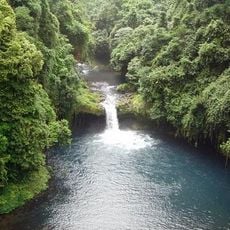
Cascada Mandoc
57.5 km
Rápidos Asoc-Bisón
8.2 km
Puente sobre el río Wele
99.1 km
Cueva Caracas
107.2 km
Faro de Punta Barceloneta
300.7 km
Faro del Frontón de Caracas
275.8 kmReviews
Visited this place? Tap the stars to rate it and share your experience / photos with the community! Try now! You can cancel it anytime.
Discover hidden gems everywhere you go!
From secret cafés to breathtaking viewpoints, skip the crowded tourist spots and find places that match your style. Our app makes it easy with voice search, smart filtering, route optimization, and insider tips from travelers worldwide. Download now for the complete mobile experience.

A unique approach to discovering new places❞
— Le Figaro
All the places worth exploring❞
— France Info
A tailor-made excursion in just a few clicks❞
— 20 Minutes