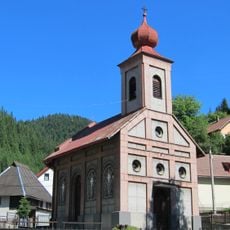
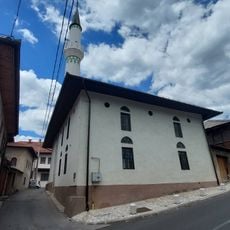
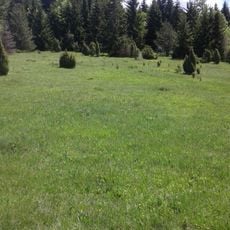
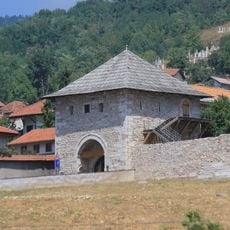
Bijambare, Cave system in Ilijaš Municipality, Bosnia and Herzegovina.
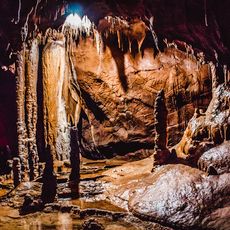
Bijambare is a cave complex in Ilijaš Municipality with four main chambers and corridors reaching heights of 30 meters and widths of 60 meters, extending over 400 meters in total. The system moves through multiple natural halls of varying sizes, creating a diverse underground landscape.
The Upper Cave is the oldest cave at Bijambare and a major archaeological site. Croatian paleontologist M. Malez investigated it in 1967. Sediments at the entrance of the left corridor yielded stone tools of the Epigravettian culture, made from jasper, chalcedony and chert, along with bones of cave bear, ibex and northern hare. The topmost layer contained Bronze Age pottery.
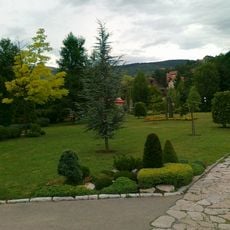
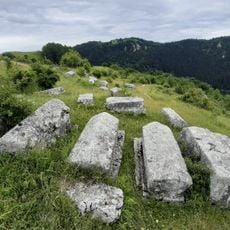
Stećci tombstones from the Čevljanovići necropolis were moved into the Bijambare area, where they now stand among the forest and karst. Periodic fairs of healthy ecological food and handicrafts made by local residents are held here, and an education centre operates within the protected landscape.
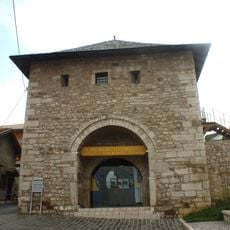
The Middle (Main) Bijambare Cave was reopened for visits in summer 2007 after an EU-funded reconstruction that added concrete paths, electric lighting and an info house. The site lies beside the Sarajevo–Tuzla main road, near the villages of Nišići and Krivajevići. A tourist eco-train also runs on the grounds.
The fourth hall, called the "Music Hall", owes its name to its acoustics; it probably formed where several circular channels merged, and their remains are still visible on the ceiling. The cave also shelters a colony of bats and crickets.
The community of curious travelers
AroundUs brings together thousands of curated places, local tips, and hidden gems, enriched daily by 94,358 contributors worldwide.