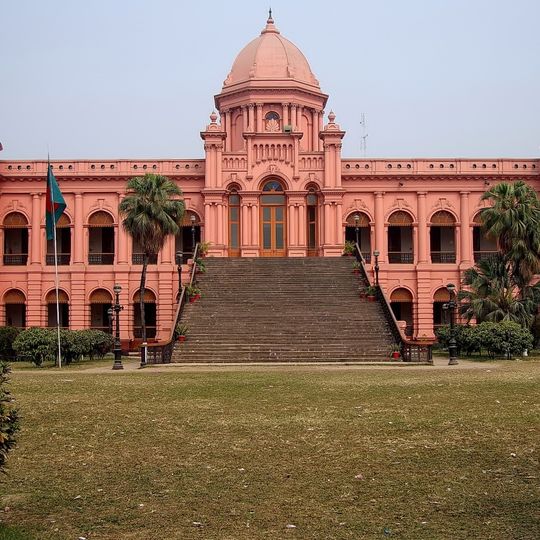
Ahsan Manzil, Palace and museum in Dhaka, Bangladesh
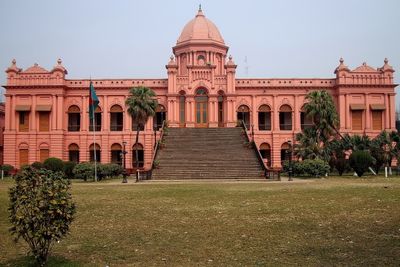
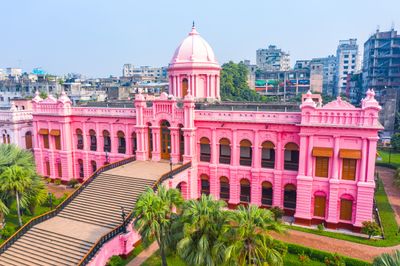
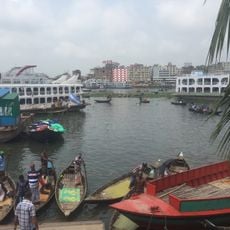
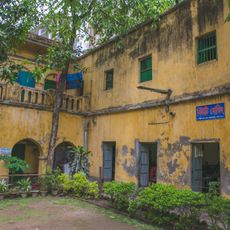
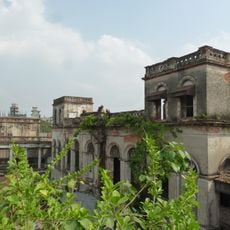
Ahsan Manzil is a pink-domed palace on the banks of the Buriganga River in Dhaka, now serving as a museum with Indo-Saracenic architecture. The two floors feature wide verandas with arches, and marble floors cover the main halls inside.
Nawab Abdul Gani named the palace after his son Khwaja Ahsanullah in 1872 and turned it into a gathering place for Bengali nobility. The building was later restored after years of decline and reopened as a museum in 1992.
The palace takes its name from Khwaja Ahsanullah, son of Nawab Abdul Ghani, who commissioned the building. Its eastern wing, the Rangmahal, held the dome, drawing room, card room, library and guest rooms, while the western Andarmahal contained the ballroom, dining hall and music room. The dining and assembly rooms keep white, green and yellow ceramic tiles, and the drawing and music rooms have artificial vaulted ceilings.
The museum is open from Saturday to Wednesday between 10:30 AM and 5:30 PM, staying closed on Thursdays and Fridays. The entrance is on the river side, and visitors must remove their shoes before entering some rooms.
The building was the first in Dhaka to have electric lighting, which drew many onlookers at the time. In 1906, a meeting held here resulted in the decision to form the Muslim League.
The community of curious travelers
AroundUs brings together thousands of curated places, local tips, and hidden gems, enriched daily by 93,364 contributors worldwide.