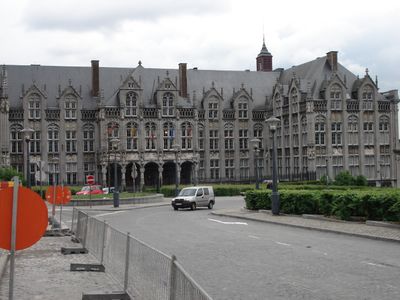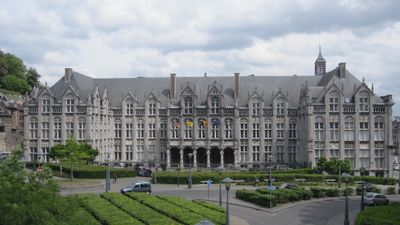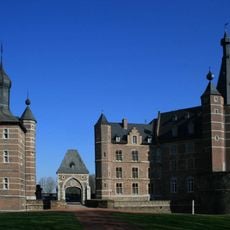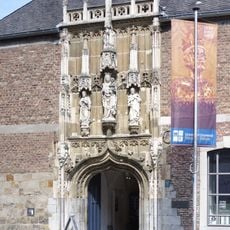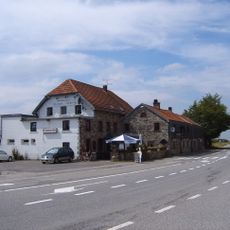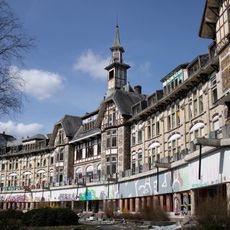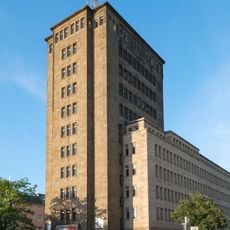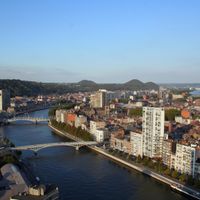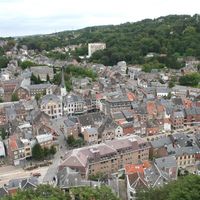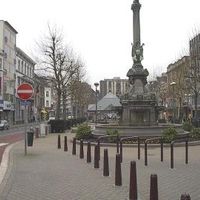
Province of Liege, Administrative province in Walloon Region, Belgium.
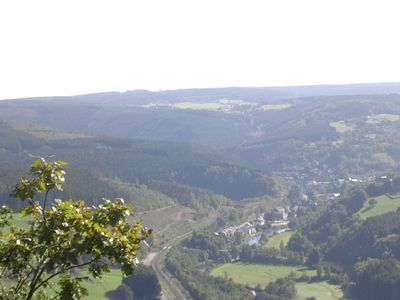
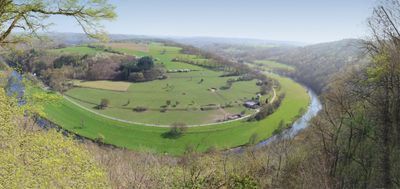
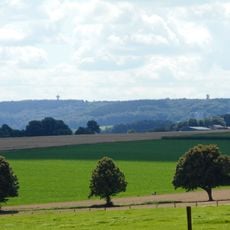
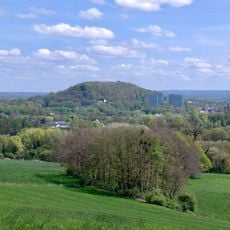
The Province of Liege covers eastern Belgium and encompasses hilly terrain, valleys, and four administrative districts. The region mixes urban centers with rural landscapes, with industrial heritage visible from its steelmaking past.
The province developed from the former Prince-Bishopric of Liege, which held significant power in the Holy Roman Empire before French annexation in 1795. After Napoleon's fall, boundaries were redrawn and the region became part of modern Belgium following independence in 1830.
The University of Liege has shaped local intellectual and artistic traditions throughout the province, and you can see this reflected in galleries and cultural spaces across towns. This academic influence extends to how people use public spaces, from bookshops to museums, which tend to be thought-provoking rather than purely decorative.
The province connects to three neighboring countries—Netherlands, Germany, and Luxembourg—through a network of railways and highways. This makes it straightforward to visit different areas within the province or venture to nearby countries, with trains offering a good alternative to driving.
The eastern section of the province is home to a German-speaking community in Eupen-Malmedy, which Belgium acquired after the First World War. This area maintains its own language and traditions, standing apart from the French-speaking portion.
The community of curious travelers
AroundUs brings together thousands of curated places, local tips, and hidden gems, enriched daily by 92,175 contributors worldwide.