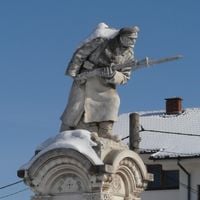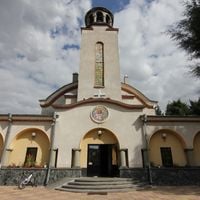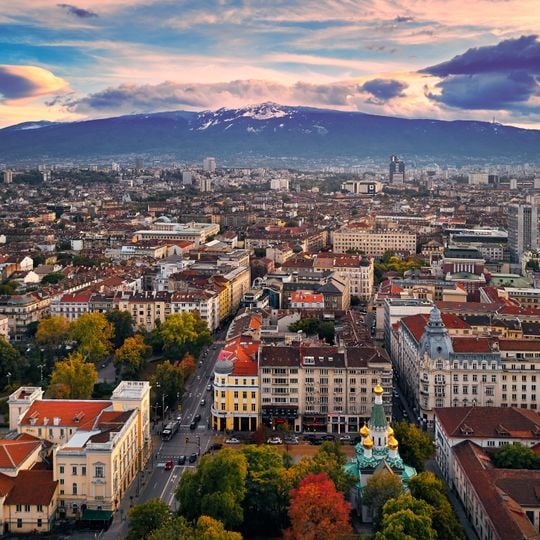
Sofia, Capital city in Bulgaria.
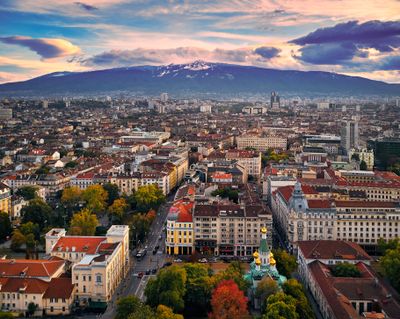
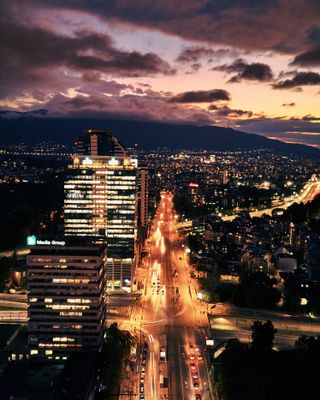
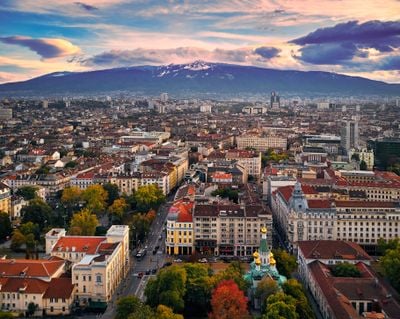
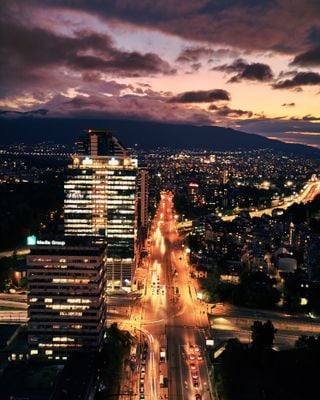
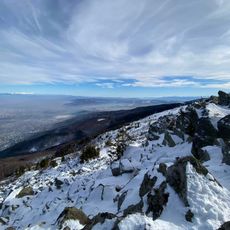
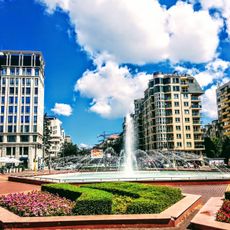
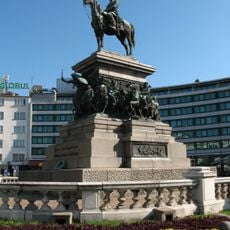
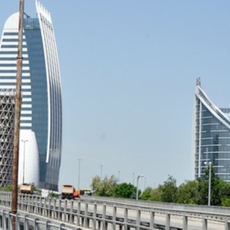
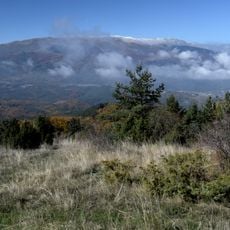
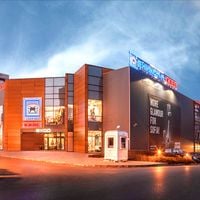
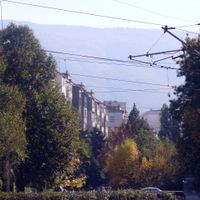
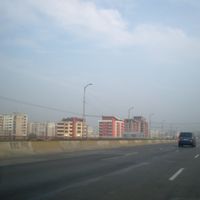
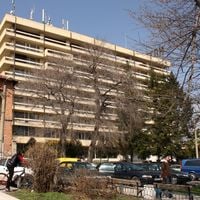
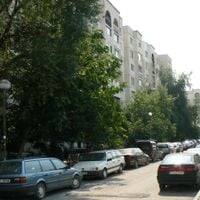
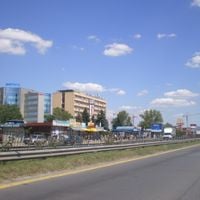
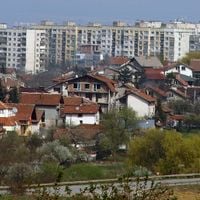
Sofia sits in the Sofia Valley between Vitosha Mountain and the Balkan Mountains, with wide avenues, parks, and squares at roughly 595 meters elevation. Streets form a loose grid around the center, where older neighborhoods with multistory blocks from the socialist period alternate with newer commercial and residential districts.
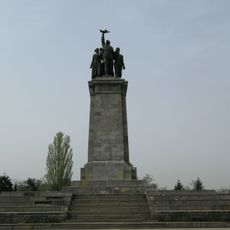
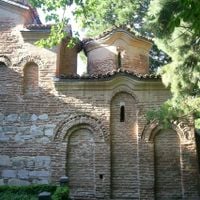
The settlement developed from ancient Serdica through centuries of Roman, Byzantine, and Ottoman control before becoming the capital of independent Bulgaria in 1879. Major expansion began after World War Two, when it was built up as the political and economic center of the socialist state.
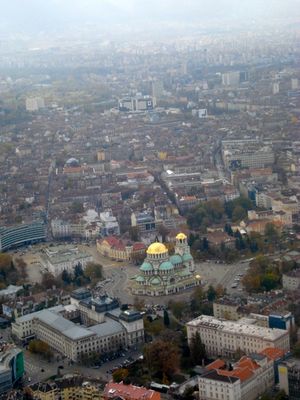
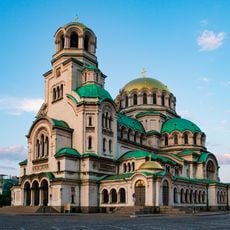
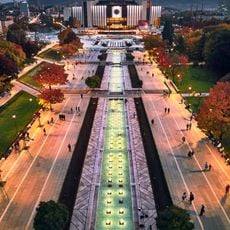
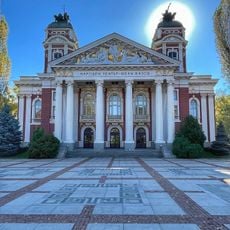
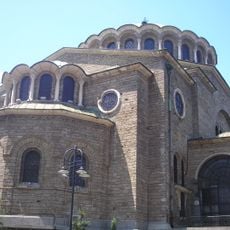
The Alexander Nevsky Cathedral, National Palace of Culture, and Ivan Vazov National Theatre stand at the heart of theater and concert life, with performances of classical music, opera, and drama throughout the season. In the evenings locals gather before the large halls and walk through nearby parks, where public life mixes with art around these old buildings.
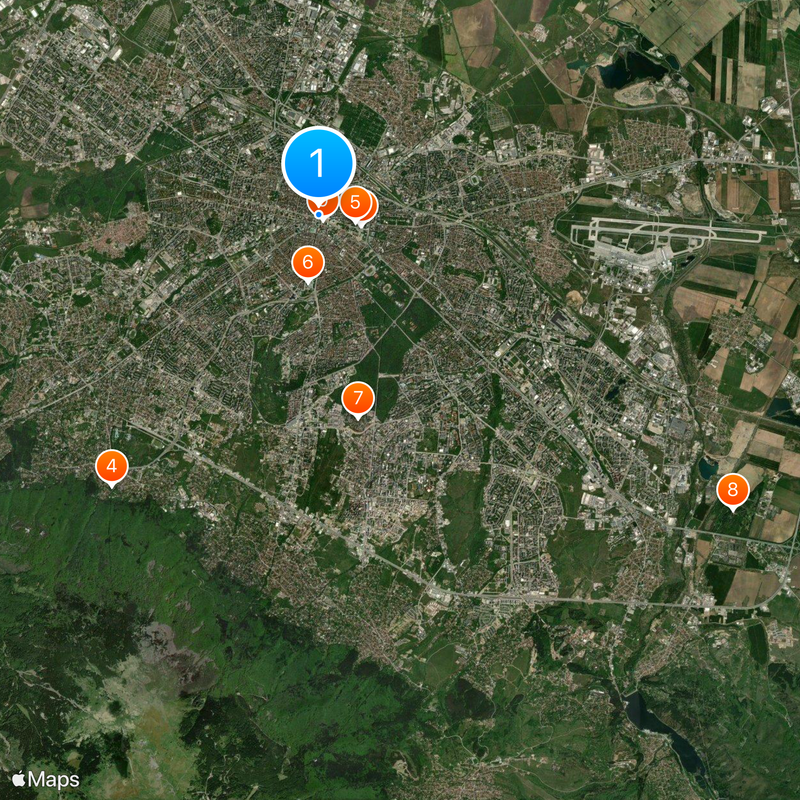
The metro system links Terminal 1 and Terminal 2 of Sofia Airport to the city center, with trains running from 5 AM until midnight. Buses and trams cover most neighborhoods, and tickets can be bought at kiosks or in the stations.
Natural mineral springs emerge within city limits, providing free thermal water through drinking fountains near the Central Mineral Baths building. Locals often fill their bottles at these spots, especially on weekday mornings.
The community of curious travelers
AroundUs brings together thousands of curated places, local tips, and hidden gems, enriched daily by 60,000 contributors worldwide.