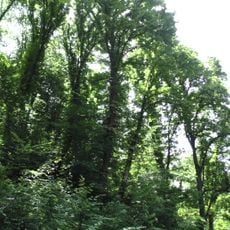
Zandana, Cave in Shumen Plateau, Bulgaria.
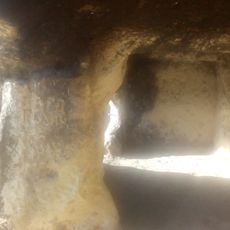
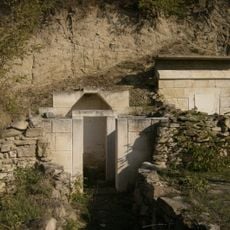
Zandana is a karst cave on the Shumen Plateau featuring an underground system spanning about 2700 meters in total length. It contains a large hall with colorful stalactites ranging from white to brown tones in its upper section, while a lower section has an active underground stream flowing through it.
The site was first documented by French geographer Barbier de Bocage in 1828 during his travels. Bulgarian cave explorers began systematic mapping and study of the site starting in 1968, revealing its full extent and features.
The site holds significance for visitors interested in understanding Bulgaria's underground geological heritage and natural formations. The hall with its colorful mineral deposits serves as a reminder of how long-term geological processes shape the landscape people inhabit.
The cave is located roughly one kilometer west of Shumen at an elevation of about 400 meters. Visitors should bring warm clothing since the interior maintains constant cool temperatures year-round, staying between 9 and 13 degrees Celsius.
An underground stream flows through the lower gallery, normally moving at just a few liters per second but swelling to extreme rates during heavy rainfall. This dramatic change in water volume shows how powerful underground currents have carved out cave systems across this region over thousands of years.
The community of curious travelers
AroundUs brings together thousands of curated places, local tips, and hidden gems, enriched daily by 92,784 contributors worldwide.