Port Arthur, former city, now part of Thunder Bay, Ontario, Canada
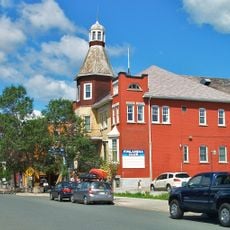
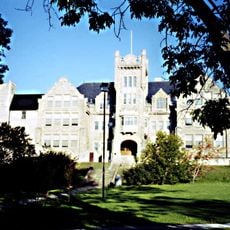
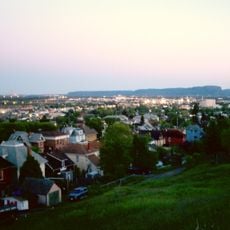
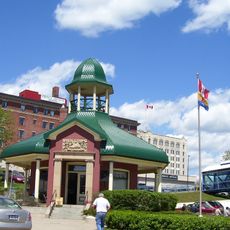
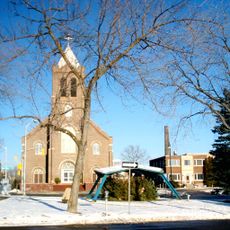
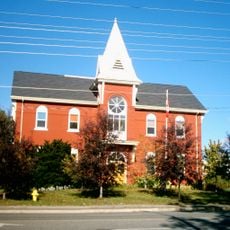
Port Arthur is a neighborhood in Thunder Bay, Ontario that remained a separate city until 1970. It features early 20th-century buildings, century-old churches, homes with porches, and tree-lined streets that form the core of the district.
The settlement was named Prince Arthur's Landing in May 1870 by Colonel Garnet Wolseley, after a forest fire had damaged it; the Ontario government surveyed the town plot in 1871. In May 1883 CPR officials in Winnipeg changed the name to Port Arthur. It became a town in March 1884 and a city in 1907, and on 1 January 1970 it merged with Fort William, Neebing and McIntyre to form Thunder Bay.
Port Arthur developed as a separate city that attracted Finnish immigrants through forestry work, shaping the neighborhood's character. This heritage remains visible in local shops and the enduring sauna tradition that still defines community life.
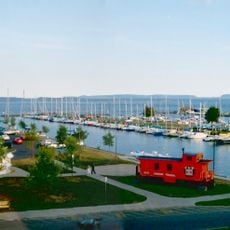
The neighborhood is easy to explore on foot, with parking available near the historic CN Station by the waterfront. Walking tours through the area last about one hour and provide a clear view of the historic buildings and street layout.
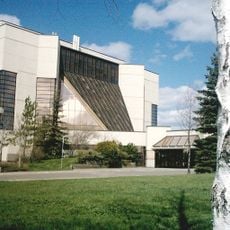
The building in the photograph is not a skyscraper: it is a multi-storey brick structure with rows of rectangular windows and a small rooftop stack. Port Arthur's tallest ambitions lay in grain, not height — the CPR erected western Canada's first terminal grain elevator on the bay in 1883, later leased to Joseph Goodwin King.
The community of curious travelers
AroundUs brings together thousands of curated places, local tips, and hidden gems, enriched daily by 92,632 contributors worldwide.